How to Use the ‘One-In, One-Out’ Rule Effectively invites readers to explore a transformative approach to managing possessions and creating a more organized life. This principle encourages individuals to replace each new item brought into their lives with the removal of an existing one, fostering a healthier relationship with material goods. By understanding the underlying benefits and applications of this rule, individuals can unlock a simpler, more fulfilling lifestyle.
Implementing the ‘One-In, One-Out’ rule can lead to significant decluttering in various aspects of life, from physical spaces such as homes and workplaces to digital environments. The advantages extend beyond mere organization, as this practice can enhance mental well-being and promote a sense of accomplishment and clarity.
Introduction to the ‘One-In, One-Out’ Rule

The ‘One-In, One-Out’ rule is a straightforward yet powerful principle aimed at simplifying and decluttering various aspects of life. This rule posits that for every new item acquired, an existing item must be removed or discarded. By adhering to this principle, individuals can maintain a balanced environment, whether it be in physical spaces or in other areas such as digital organization or lifestyle choices.Implementing the ‘One-In, One-Out’ rule offers several benefits.
It encourages mindfulness in purchasing decisions, promotes sustainability by reducing waste, and fosters a sense of organization and clarity. Moreover, it helps cultivate a habit of intentionality, ensuring that every new addition serves a purpose and enhances one’s life rather than contributing to chaos. The rule can be effectively applied in numerous situations, resulting in more manageable living conditions and better decision-making.
Applications of the ‘One-In, One-Out’ Rule
The versatility of the ‘One-In, One-Out’ rule allows it to be applied in various contexts. Below are some notable areas where this principle can be particularly effective:
- Home Organization: When acquiring new clothing or household items, consider donating or discarding an equivalent number of items. This practice can significantly reduce clutter in closets, drawers, and storage areas.
- Digital Decluttering: In digital spaces, such as email or file storage, for every new file or subscription added, an equal number should be deleted or unsubscribed. This keeps digital environments organized and manageable.
- Meal Planning: When trying new recipes or ingredients, aim to use up existing pantry items before purchasing more. This approach minimizes food waste and encourages creativity in meal preparation.
- Personal Habits: In personal development, when introducing a new habit or activity into your routine, consider reducing time spent on an existing one. This creates balance and allows for a more focused approach to personal growth.
By establishing the ‘One-In, One-Out’ rule, individuals can not only simplify their spaces but also enhance their quality of life and promote sustainability.
Psychological Benefits of Decluttering

The act of decluttering one’s space has profound implications for mental well-being, contributing to a clearer mind and a more focused life. As individuals engage in the ‘One-In, One-Out’ rule, they not only manage their physical possessions but also cultivate a healthier mental environment. This practice encourages a conscious evaluation of what we bring into our lives, ultimately leading to the liberation from unnecessary stressors.Research illustrates the psychological advantages of reducing clutter.
A study conducted by the UCLA Center on Everyday Lives and Families found that individuals living in cluttered environments reported higher levels of stress and anxiety. The correlation between clutter and mental health challenges is significant, demonstrating that our surroundings can heavily influence our emotional states. Furthermore, engaging in minimalism has been associated with a reduction in feelings of overwhelm, as individuals find it easier to focus and make decisions in organized spaces.
Impact on Stress Levels
The emotional transformation experienced through decluttering is often stark. Many individuals report a substantial decrease in anxiety and an increase in feelings of control after adopting the ‘One-In, One-Out’ rule. By assessing possessions regularly, one becomes more attuned to their emotional responses to items, leading to healthier decision-making.
Before Implementing the Rule
Individuals often feel burdened by the accumulation of items, which can create chaos and overwhelm. The presence of clutter can distract from daily tasks, hinder productivity, and contribute to a pervasive sense of anxiety.
After Implementing the Rule
Reports indicate a marked improvement in mood and overall mental clarity. People frequently express feelings of lightness and satisfaction after decluttering their spaces, experiencing reduced stress levels and a redefined sense of purpose.
“Clutter is not just what you see—it’s what you feel. A clean space nurtures a clean mind.”
Engaging with the ‘One-In, One-Out’ method fosters not only physical order but also mental peace. By regularly evaluating possessions, individuals empower themselves to create a living space that reflects their values and aspirations, paving the way for enhanced well-being and a more fulfilling life.
Practical Steps to Implement the Rule

Implementing the ‘One-In, One-Out’ rule can significantly streamline your process of decluttering and maintaining a more organized living space. This rule encourages individuals to part with an existing item whenever a new one is introduced. By doing so, it instills a mindful approach to consumption and organization, fostering a sense of control over possessions.To apply this rule effectively, it is beneficial to follow a structured approach.
This involves creating a checklist, categorizing items, and establishing a routine for evaluating your belongings. Below, we Artikel a step-by-step guide to facilitate the process.
Step-by-Step Guide for Application
The following steps provide a clear pathway for integrating the ‘One-In, One-Out’ rule into daily life. These steps ensure a comprehensive evaluation of items while maintaining a balanced living environment.
- Assess Current Items: Before acquiring anything new, take an inventory of your current possessions. Identify what you truly need and what you can live without.
- Set a Limit: Determine a specific number of items that are acceptable to have in each category. This may vary based on personal preference and space availability.
- Purchase Mindfully: When considering a new item, reflect on its necessity. Ask yourself if it fulfills a specific need or adds genuine value to your life.
- Declutter Before Acquisition: For every new item introduced, choose one existing item to donate, sell, or recycle. Ensure that the out item is equivalent in size or function to the in item.
- Establish a Routine: Regularly review your belongings, ideally every few months. This consistent evaluation will help prevent accumulation and encourage a sustainable decluttering habit.
Checklist for Decluttering
Creating a checklist can simplify the decluttering process and serve as a motivational tool. This checklist Artikels essential actions to take when applying the ‘One-In, One-Out’ rule.
- Identify categories for evaluation (e.g., clothing, electronics, kitchenware).
- Determine the total number of items in each category.
- Set a target for how many items to keep versus eliminate.
- Plan a specific day or time to evaluate and remove items.
- Document items being removed for future reference.
- Research local charities or recycling programs for donating items.
- Reflect on emotional attachments to items and rationalize their necessity.
Categorization of Items
Categorizing items is instrumental in making the decluttering process more manageable. By grouping similar items together, you can gain clarity and make informed decisions about what to keep or let go.
Organizing possessions into clear categories aids in a thorough evaluation and enhances the effectiveness of the decluttering process.
To categorize effectively, consider the following groups:
- Usefulness: Items that serve a clear purpose and are frequently used.
- Sentimental Value: Items that hold emotional significance but may not be practical.
- Duplicates: Extra items that are not necessary, such as multiple kitchen gadgets or clothing.
- Condition: Items that are in poor condition and should be discarded or repaired.
- Seasonal Items: Items that are only used during specific times of the year, which can be stored out of sight.
By following these steps and utilizing the checklist alongside categorization, the ‘One-In, One-Out’ rule can be effectively integrated into daily routines, promoting an organized and intentional lifestyle.
Areas of Life to Apply the Rule
The ‘One-In, One-Out’ rule is a versatile strategy that can be applied across various aspects of life, enabling individuals to manage clutter effectively. By identifying specific areas in one’s home and digital spaces where this rule can be implemented, individuals can create a more organized and serene environment. This approach not only simplifies physical spaces but also enhances mental clarity.
Physical Spaces in the Home
Implementing the ‘One-In, One-Out’ rule in different areas of your home can significantly reduce clutter and promote a sense of order. Below are key spaces where the rule can be effectively applied:
- Closets: Every time a new piece of clothing is purchased, consider donating or discarding an existing item. This practice not only clears space but also encourages mindful shopping.
- Kitchens: For every new kitchen gadget or utensil acquired, remove one that is seldom used. This ensures that counter and storage spaces remain functional and accessible.
- Garages: When adding tools or equipment, evaluate existing items and eliminate those that are broken or no longer needed. This helps maintain a safe and organized workspace.
- Living Areas: Introduce a new decorative item only if an old one is removed, preserving the aesthetic balance and avoiding overcrowding.
Digital Spaces
The ‘One-In, One-Out’ rule is equally applicable in digital environments, promoting organization in an age where digital clutter can be overwhelming. Here are ways to apply the rule in this context:
- Email Inboxes: For every new subscription or promotional email you decide to keep, unsubscribe from an old one. This reduces the volume of incoming messages and streamlines your inbox.
- File Storage: Whenever new files are added to your digital storage, such as documents or images, assess existing files and delete or archive those that are no longer relevant. This maintains clarity and ease of access.
- Apps and Software: When installing a new application on your device, consider uninstalling an app that you rarely use, preventing overcrowding on your home screen and ensuring smoother device performance.
Maintaining the ‘One-In, One-Out’ Rule
Sustaining the effectiveness of the ‘One-In, One-Out’ rule requires consistency and commitment. Here are methods to ensure the rule remains a part of your routine:
- Set Reminders: Create periodic reminders on your calendar to assess items in your home or digital spaces, reinforcing the habit of decluttering regularly.
- Make It a Family Activity: Encourage family members to participate in the decluttering process, fostering a team effort that makes the task enjoyable and more effective.
- Reflect on Purchases: Before buying new items, take a moment to consider the necessity of the purchase and whether it aligns with your decluttering goals.
- Establish Guidelines: Create clear guidelines for what qualifies as an acceptable replacement item, ensuring that the ‘One-In, One-Out’ rule is upheld without exemptions.
Overcoming Challenges

Applying the ‘One-In, One-Out’ rule can be a transformative experience, yet many individuals encounter various obstacles along their journey to declutter their lives. Understanding these challenges and recognizing strategies to navigate them is essential for successfully implementing this rule. By addressing emotional attachments, setting personal guidelines for exceptions, and cultivating a mindful approach, one can effectively incorporate this principle into daily life.
Common Obstacles When Applying the Rule
Individuals may face several common challenges while attempting to adhere to the ‘One-In, One-Out’ rule. These challenges can include emotional attachment to items, fear of needing an item in the future, and societal pressure to accumulate more possessions.
To navigate these challenges, individuals can adopt the following strategies:
- Emotional Attachment: Many people struggle to part with items due to memories or sentiments associated with them. This emotional connection can lead to a reluctance to declutter.
- Fear of Future Needs: The anxiety of possibly needing an item later can create resistance to letting go. This fear can stem from a scarcity mindset where individuals believe they may not be able to replace the item.
- Societal Pressures: Cultural norms often encourage accumulation. The expectation to possess the latest gadgets or fashion can conflict with the decluttering mindset.
Strategies to Overcome Emotional Attachments
Overcoming emotional attachments to items is essential to successfully applying the ‘One-In, One-Out’ rule. Understanding that possessions do not define one’s identity can liberate individuals from the burden of excess. Here are strategies to help release these attachments:
- Reflect on Purpose: Consider the purpose of each item and whether it serves a functional role in your life now. If the item does not provide value or joy, it may be time to release it.
- Create a Memory Box: For items that hold sentimental value, designate a small box to store a select few cherished items. This practice allows for preservation of memories without retaining unnecessary clutter.
- Visualize Freedom: Imagine the space and peace of mind that comes with less clutter. Focusing on the benefits of decluttering can help shift perspective away from attachment.
Handling Exceptions to the Rule
While the ‘One-In, One-Out’ rule provides a helpful framework for decluttering, there are times when exceptions may be warranted. Recognizing these instances can prevent frustration and promote a balanced approach to managing possessions. Consider the following guidelines for handling exceptions:
- Sentimental Items: Occasionally, it may be necessary to retain items with high sentimental value, especially if they are irreplaceable or represent significant life events.
- Seasonal Needs: Certain items are only needed during specific times of the year, such as holiday decorations or winter clothing. These may not require an immediate one-for-one replacement.
- Practicality and Safety: Some items, such as safety equipment or necessary tools, may need to be retained regardless of the one-in, one-out policy due to their importance in daily life.
Success Stories and Case Studies
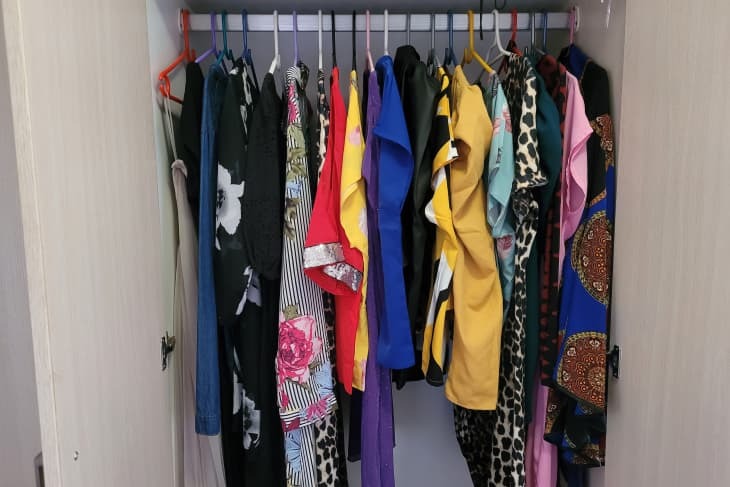
Numerous individuals have successfully implemented the ‘One-In, One-Out’ rule, transforming their living spaces and mental well-being. These stories highlight the profound impact that simple lifestyle changes can have on personal satisfaction and organization. The following narratives showcase how this rule can lead to significant improvements in one’s environment and mindset.The effectiveness of the ‘One-In, One-Out’ rule can be seen through various case studies where individuals faced clutter challenges.
These transformations not only simplify spaces but also foster a sense of empowerment and clarity. Below are a few inspiring success stories that illustrate these changes.
Inspiring Transformations
The following table summarizes the before and after scenarios of individuals who applied the ‘One-In, One-Out’ rule in different areas of their lives. Each case illustrates the tangible benefits of decluttering.
| Individual | Before | After |
|---|---|---|
| Emily | Living room filled with unused furniture and decor, making it feel cramped. | Open and inviting space with only essential and loved items, promoting relaxation. |
| Mark | Cluttered workspace with papers, tools, and equipment everywhere, leading to decreased productivity. | Organized desk with a few necessary items, enhancing focus and efficiency. |
| Sophia | Overstuffed closet filled with clothes that were rarely worn, creating frustration during outfit selection. | Streamlined wardrobe with versatile pieces, allowing for easier daily choices and satisfaction with selections. |
| James | Kitchen overflowing with gadgets and utensils, making cooking a chore. | Functional kitchen equipped only with essential tools, optimizing meal preparation and enjoyment. |
“Embracing the ‘One-In, One-Out’ rule has not only decluttered my space but also my mind.” – Emily
These success stories exemplify the potential for positive change through mindful consumption and a commitment to maintaining an organized life. The psychological relief experienced by these individuals is a testament to the effectiveness of the ‘One-In, One-Out’ rule in fostering deeper satisfaction and clarity in everyday living.
Maintaining Long-Term Results
Establishing a sustainable system for ongoing decluttering is essential to ensure that the ‘One-In, One-Out’ rule remains effective over time. By implementing a few practical strategies, you can create an environment that consistently promotes mindfulness regarding possessions, which in turn supports long-term decluttering efforts. One of the key components of this sustainable system is regular evaluations of your belongings. By actively assessing the items in your space, you can maintain a clear perspective on what you truly need and what may be contributing to clutter.
Regular Evaluations of Possessions
Conducting regular evaluations helps reinforce the ‘One-In, One-Out’ mindset, ensuring that you remain committed to the principle. The following strategies can aid in establishing a routine for assessing your possessions:
- Schedule Regular Decluttering Sessions: Allocate time in your calendar for decluttering sessions, whether monthly or quarterly. Use this time to review your belongings and decide what to keep, donate, or discard.
- Seasonal Cleaning Rituals: Align evaluations with seasonal changes. This practice not only keeps your space fresh but also encourages reflection on what items you have used throughout the season.
- Utilize a “Try Before You Keep” Approach: If unsure about certain items, set them aside for a designated period. If you do not reach for them during this time, consider letting them go.
- Digitize Where Possible: For items such as documents, photos, or memorabilia, consider creating digital copies. This can significantly reduce physical clutter while preserving memories.
- Limit Storage Spaces: Set specific limits on storage areas, such as bins or boxes. This can help prevent the accumulation of excess items, as you will have to make decisions about what to keep within the constraints of the available space.
Involving family members or roommates in the ‘One-In, One-Out’ mindset can enhance cooperation and make the decluttering process more effective. Instilling this principle in a shared living environment promotes a culture of mindfulness around possessions.
Instilling the ‘One-In, One-Out’ Mindset in Family Members or Roommates
Engaging others in the decluttering process can foster a collective commitment to maintaining an organized and clutter-free space. The following methods can help instill this mindset effectively:
- Open Communication: Discuss the benefits of the ‘One-In, One-Out’ rule with those you live with. Highlight how it can create a more harmonious living environment.
- Set Joint Goals: Establish goals as a group, such as reducing clutter in shared spaces or agreeing on the number of new items each person can bring in.
- Create a Collective Decluttering Day: Schedule a communal decluttering day where everyone participates. This can build camaraderie and make the process enjoyable.
- Share Success Stories: Celebrate successes within the group. Sharing positive experiences or challenges overcome can motivate others to adhere to the rule.
- Establish Shared Guidelines: Develop family or roommate guidelines regarding new purchases, such as requiring a discussion before significant acquisitions, to encourage collective responsibility.
By implementing these strategies, you can create a sustainable system that not only maintains the ‘One-In, One-Out’ rule but also fosters a collaborative environment where everyone is committed to reducing clutter and enhancing their living space.
Wrap-Up
In conclusion, embracing the ‘One-In, One-Out’ rule not only aids in decluttering but also fosters a mindset of mindfulness and intentionality. By recognizing the psychological benefits and practical applications of this approach, individuals can cultivate an environment that supports their well-being and simplifies their lives. With dedication and the right strategies, maintaining this rule can lead to sustainable changes and long-lasting satisfaction.