How to Declutter Your Attic Safely and Effectively is an essential guide for homeowners eager to reclaim their attic space while ensuring safety and efficiency throughout the process. An attic can become a repository for forgotten belongings, and tackling this clutter can seem daunting. However, with a structured approach, the task becomes manageable, allowing you to not only create a more organized environment but also to enhance the overall safety of your home.
This discussion encompasses vital preparation steps, from creating checklists to implementing safety measures, as well as sorting, safely removing, and organizing items. We will also delve into responsible disposal methods and strategies for maintaining a clutter-free attic, ensuring that your efforts lead to lasting results.
Preparation for Attic Decluttering
Decluttering an attic can be a daunting task, but proper preparation can make the process safer and more efficient. Ensuring you have all necessary supplies and a clear plan can help mitigate risks and streamline your efforts. This section Artikels the essential supplies, a systematic approach to evaluating items, and important safety measures to consider before beginning the decluttering process.
Checklist of Necessary Supplies
Before embarking on the attic decluttering journey, assembling the right tools and supplies is crucial. These items will aid in organizing, cleaning, and protecting yourself during the process.
- Gloves: Protects hands from sharp or dirty objects.
- Dust masks: Prevents inhalation of dust and allergens.
- Trash bags: For disposal of items that are no longer needed.
- Boxes: Useful for sorting items you wish to keep or donate.
- Labeling materials: Helps categorize and identify stored items.
- Flashlight: Illuminates dark corners and areas of the attic.
- Step stool or ladder: Provides safe access to higher shelves or spaces.
- Cleaning supplies: Includes dusters, brooms, and disinfectants for cleaning surfaces.
Step-by-Step Process to Assess Stored Items
An organized approach to assessing the items in your attic ensures that you are methodical in your decluttering efforts. Start by considering the following steps to evaluate everything stored in your attic.
- Begin by removing items from shelves or corners to get a clear view of what you have.
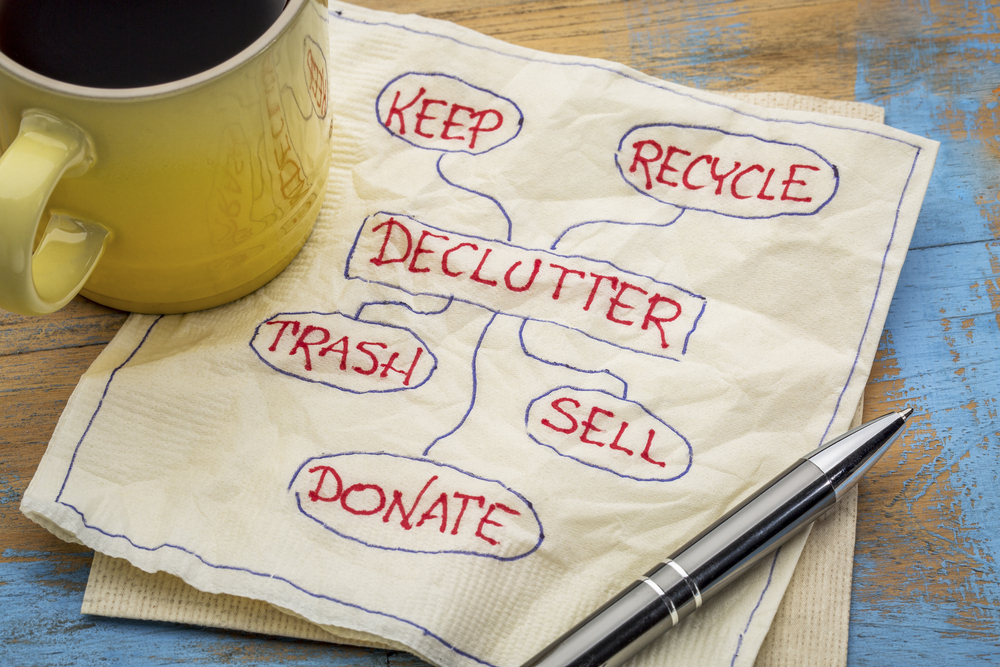
- Sort items into three categories: keep, donate/sell, and discard.
- Examine the condition of each item; damaged or broken items may be discarded.
- Consider the frequency of use; if an item hasn’t been used in the last year, it may not be necessary to keep it.
- Take note of sentimental items that hold personal value, and evaluate if they are worth the space they occupy.
- Ensure important documents or memorabilia are accounted for and stored securely.
Safety Measures Before Decluttering
Decluttering an attic poses various risks, including exposure to dust, mold, and potential hazards from stored items. Adhering to safety measures can prevent accidents and health issues as you navigate this space.
Always prioritize safety by wearing personal protective equipment such as gloves and dust masks.
To enhance safety during the decluttering process, consider the following precautions:
- Ensure adequate ventilation in the attic to minimize dust accumulation.
- Inspect the attic for signs of pests or mold before starting work.
- Secure heavy items to prevent them from falling during the decluttering process.
- Use proper lifting techniques when moving heavy boxes or furniture to avoid injury.
- Keep a first aid kit on hand in case of minor injuries.
Sorting Items
Sorting items is a crucial step in the decluttering process, especially when tackling the often-overlooked space of the attic. It is vital to establish a clear system for categorizing belongings, which not only helps in deciding what to keep but also in making thoughtful choices about donations, sales, or discarding items. By implementing a structured sorting method, you can transform the chaos of your attic into an organized and manageable space.To effectively sort items, consider creating designated piles for each category: keep, donate, sell, or discard.
This categorization allows you to systematically evaluate each item based on specific criteria. When determining the fate of each item, assess factors such as its usefulness, emotional value, condition, and frequency of use. Items that are no longer functional or do not serve a purpose should be discarded, while those that are in good condition but no longer needed may be suitable for donation or sale.
Criteria for Sorting Items
Establishing clear criteria for sorting can streamline the decision-making process. Here are key considerations to keep in mind:
- Usefulness: Evaluate whether the item serves a current purpose or has potential future use.
- Condition: Inspect items for damage or wear. If they are broken or worn out, consider discarding them.
- Emotional Value: Reflect on whether the item holds significant sentimental worth that justifies its retention.
- Frequency of Use: Consider how often you have used the item in the past year. If it has remained untouched, it might be time to let it go.
Examples of common attic items include old furniture, seasonal decorations, clothing, family heirlooms, and various memorabilia. For best practices in sorting these items, keep the following recommendations in mind:
- Old Furniture: Assess whether the furniture can be refurbished or if it is better suited for donation. If it has significant wear, recycling may be the best option.
- Seasonal Decorations: Keep only those that you regularly use. Donate or sell duplicates or items that no longer match your aesthetic.
- Clothing: Evaluate the condition and fit. Outdated or unworn clothing can be donated to local charities or sold online.
- Family Heirlooms: Items with historical or sentimental significance should be preserved, but consider digitizing photos or documents to save space.
- Mementos: Retain items that evoke fond memories, yet limit the quantity to avoid overwhelming clutter.
By applying these criteria and practices, you can navigate the sorting process with confidence, ensuring that each item in your attic is evaluated thoughtfully and systematically.
Safe Removal of Items
When decluttering your attic, the safe removal of items is crucial to prevent injury and ensure an efficient process. Given the nature of attic spaces, which often feature limited mobility and uneven surfaces, it’s essential to be well-prepared and employ the right techniques and tools. This segment will Artikel effective methods for safely removing heavy or bulky items from your attic.
Techniques for Removing Heavy or Bulky Items
The removal of heavy or bulky items requires careful planning to avoid accidents. First and foremost, assess the size and weight of the items. If possible, disassemble larger pieces into smaller parts to make them easier to lift and transport. Additionally, consider the following techniques to enhance safety during the removal process:
- Use the Buddy System: Always enlist the help of another person when lifting heavy items. This not only makes the task easier but also allows for better control and balance.
- Employ Proper Lifting Techniques: Bend at the knees, not the waist, keeping your back straight. Lift with your legs instead of your back to reduce the risk of injury.
- Maintain a Firm Grip: Ensure your hands are dry and secure on the item. Use gloves if necessary to improve your grip.
- Keep the Load Close: Hold the item close to your body to maintain balance and reduce strain on your back and arms.
- Clear a Path: Before lifting, ensure that the route to the exit is clear of obstacles to prevent tripping.
Tools and Equipment for Safe Removal
Utilizing the right tools can significantly enhance safety and efficiency during the decluttering process. The following equipment is highly recommended for the safe removal of attic items:
- Dollies or Hand Trucks: These can carry heavy items and reduce strain on your body, making the transport of bulky objects much easier.
- Moving Straps: These specialized straps distribute weight evenly across your body, allowing you to lift heavier objects with greater ease.
- Step Ladders: A sturdy step ladder provides stability when reaching for items stored high up in the attic, minimizing the risk of falls.
- Tarps or Blankets: Use these to shield fragile items while transporting them, reducing the risk of damage during removal.
“Proper lifting techniques and the right tools can prevent injuries and make the decluttering process smoother and more efficient.”
Incorporating these techniques and tools will ensure that the process of removing items from your attic is conducted safely and effectively, allowing you to focus on the task of decluttering without the worry of injury.
Organizing the Attic Post-Declutter
After the decluttering process, the next step involves organizing the remaining items in your attic effectively. A well-organized attic not only enhances accessibility but also contributes to the overall functionality of your home. By implementing strategic organization methods, you can maximize your attic’s potential while ensuring safety and ease of use.One of the most effective ways to organize items is through a labeling system.
This system aids in quick identification and access to stored belongings. By categorizing items based on their type or usage, you can streamline your storage process and minimize the time spent searching for specific items.
Labeling System for Easy Identification
Creating an efficient labeling system is paramount for maintaining order in your attic. Labels should be clear, concise, and consistent. Consider the following strategies to develop a robust labeling system:
- Clear Categories: Group similar items together, such as seasonal decorations, holiday items, clothes, and memorabilia. This will help you quickly locate what you need.
- Color-Coded Labels: Using different colors for different categories can enhance visual recognition. For instance, use blue for holiday decorations, green for gardening tools, and red for keepsakes.
- Labeling Tools: Utilize a label maker or printable labels for a uniform appearance. Ensure the font is legible and that labels are securely attached to containers.
Storage Solutions to Maximize Space
Selecting appropriate storage solutions is essential for optimizing your attic space. Innovative storage ideas can help create a well-organized environment while preserving the condition of your items. Consider the following options:
- Plastic Bins: Clear, stackable bins provide visibility and protection against dust and pests. Choose bins that are durable and of varying sizes to accommodate different items.
- Shelving Units: Installing sturdy shelves can significantly increase your storage capacity. Opt for adjustable shelves to customize height according to your needs.
- Vacuum-Sealed Bags: Use vacuum-sealed bags for clothing and textiles to save space and keep them safe from moisture and pests. This method reduces bulk while preserving the integrity of the items.
- Overhead Storage: Consider utilizing the vertical space in your attic by installing overhead storage racks. These are ideal for infrequently used items, keeping them out of the way yet accessible.
“An organized attic not only saves space but also enhances the safety and accessibility of stored items.”
Investing time in proper organization techniques will ensure your attic remains functional and clutter-free for years to come. By implementing a systematic approach, you can enjoy the benefits of a well-organized storage space.
Disposal and Donation Processes

Responsible disposal and donation of unwanted items from your attic is crucial not only for decluttering your home but also for ensuring environmental sustainability and helping those in need. Properly disposing of or donating items can prevent unnecessary waste and contribute to your local community.When you have sorted through your attic and identified items that can no longer be kept, it is important to follow systematic steps for disposal and donation.
This process helps to ensure that usable items are given a second life while hazardous materials are handled safely.
Responsible Disposal of Unwanted Items
Following proper disposal methods is essential for items that cannot be donated. Here are some recommended steps to take:
- Research Local Waste Management Policies: Each municipality has specific regulations regarding waste disposal. Familiarize yourself with these guidelines to avoid fines or improper disposal.
- Separate Non-Recyclable Waste: Items that cannot be recycled or donated should be collected separately. This may include broken furniture, damaged textiles, and any other items that are beyond repair.
- Schedule Bulk Waste Pickup: Many cities offer bulk waste collection services. Contact your local waste management to arrange a pickup for large items that cannot fit in regular trash bins.
- Utilize Hazardous Waste Facilities: For items that are classified as hazardous, such as old paint, chemicals, or batteries, take them to designated hazardous waste facilities. These centers are equipped to handle such materials safely.
Local Donation Centers and Programs
Donating usable items is a meaningful way to give back to the community while decluttering your home. Here are a few well-known donation centers and programs that typically accept a variety of items:
- The Salvation Army: This organization accepts clothing, furniture, and household goods. Donations can be dropped off at local centers or scheduled for pickup.
- Goodwill Industries: Goodwill operates thrift stores and accepts a wide range of items, including electronics, clothes, and home goods. They also offer job training programs funded through sales.
- Habitat for Humanity ReStores: These stores accept building materials, appliances, and furniture. Proceeds support Habitat’s mission of providing affordable housing.
- Local Shelters and Charities: Many shelters accept donations of clothing, personal care items, and non-perishable food. Contact local organizations to find out their specific needs.
Recycling Options for Specific Materials
Recycling is an effective way to manage certain materials, helping to reduce landfill waste and conserve natural resources. Here are recycling options for various materials:
- Electronics: Many communities have e-waste recycling events, or you can take old electronics to specialized recycling centers that handle computers, TVs, and batteries.
- Plastics: Check local recycling guidelines for plastics, as many types are recyclable. Separate items by type and rinse them before dropping them off at recycling bins.
- Hazardous Waste: As mentioned previously, hazardous materials must be taken to designated facilities that specialize in safe disposal. This includes items like paint, pesticides, and certain household cleaners.
- Paper and Cardboard: Most municipalities offer curbside recycling for paper and cardboard. Ensure these materials are clean and dry before recycling.
Proper disposal and donation processes not only contribute to a cleaner environment but also support community well-being.
Maintaining a Clutter-Free Attic
:max_bytes(150000):strip_icc()/Tips-For-Declutter-COLOR-FINAL-3-d294f6a62ba746c797f5255a5d004850.png "28 Decluttering Tips That Actually Work")
Establishing a clutter-free attic is an ongoing task that requires diligence and a systematic approach. Once the initial decluttering has been completed, it is essential to implement a routine that ensures the attic remains organized and accessible. A well-maintained attic not only maximizes storage space but also enhances the safety and usability of the area.A critical aspect of attic maintenance is to regularly review its contents.
This practice helps identify items that are no longer needed and prevents the accumulation of clutter over time. By scheduling periodic assessments, homeowners can maintain an organized environment that supports both functionality and safety.
Regular Maintenance Routine
To keep your attic organized, establishing a regular maintenance routine is vital. This involves creating a manageable schedule for reviewing and organizing attic contents. Consider the following strategies:
- Monthly Check-ins: Dedicate a specific day each month to inspect the attic. Look for any items that have been added since the last review and decide if they should remain.
- Seasonal Reviews: At the beginning of each season, revisit the attic to reassess items related to seasonal activities, such as holiday decorations or summer gear.
- Before Major Events: Prior to events like garage sales or family gatherings, take time to declutter and organize the attic. This ensures easy access to items that may be needed for these occasions.
Establishing such a routine not only prevents clutter but also encourages a proactive approach to attic management, making it easier to maintain order over time.
Periodic Review of Attic Contents
Conducting periodic reviews of the attic contents is essential for identifying and managing potential clutter. This practice allows for timely decisions regarding the disposal, donation, or retention of items. Emphasizing the importance of these reviews can significantly impact the longevity of your organized space.
“Regular evaluations of attic contents can mitigate clutter and streamline storage efficiency.”
An effective strategy for periodic reviews includes:
- Inventory List: Maintaining an updated inventory list of all items stored in the attic can make the review process more efficient. This list should include the date of storage, a brief description, and the condition of each item.
- Two-Year Rule: If an item has not been used or accessed in the last two years, it may be time to consider its removal.
- Remind and Reassess: Setting reminders on your calendar for these reviews will help ensure that they are not overlooked.
This conscious approach towards regular evaluations will help in sustaining an organized and functional attic space.
Timeline for Reassessing Attic Contents
Creating a timeline for reassessing attic contents is instrumental in maintaining a clutter-free environment. Proper scheduling based on usage and changing seasons can help ensure that the attic remains organized and efficiently utilized. Implementing the following timeline can guide your reassessment efforts:
- Monthly: Conduct quick check-ins to inspect any newly added items and ensure they are categorized appropriately.
- Every Three Months: Perform a more thorough review, focusing on items that may not be used again until the next season and consider relocating them if necessary.
- Biannually: Undertake a comprehensive evaluation of all attic contents, making decisions regarding disposal or donation for items that remain unused.
By adhering to this timeline, homeowners can foster a sense of organization and clarity within the attic space, ensuring it serves its purpose without the burden of excess clutter.
Health and Safety Considerations
When undertaking the task of decluttering your attic, it is crucial to be aware of various health and safety considerations. Neglecting attic spaces can lead to potential hazards that may compromise your well-being. Understanding these risks and implementing safety measures is essential to ensure a safe decluttering process.The attic environment can harbor a range of health risks, particularly if it has been neglected for an extended period.
Mold, dust, and allergens can accumulate, posing respiratory hazards and triggering allergic reactions. Additionally, the presence of rodents or insects can contribute to unsanitary conditions that may lead to disease transmission. Therefore, it is vital to recognize and mitigate these risks before proceeding with any decluttering activities.
Health Risks Associated with Neglected Attics
The potential health risks linked to cluttered and neglected attics include:
- Mold Exposure: Mold spores thrive in damp and dark conditions, common in attics. Exposure can lead to respiratory issues, allergic reactions, and other health problems.
- Allergens and Dust: Accumulated dust and allergens can exacerbate asthma or allergy symptoms. Regular cleaning can help minimize these irritants.
- Pest Infestations: Rodents and insects may inhabit cluttered spaces, bringing diseases such as hantavirus or salmonella. Their droppings can also contribute to poor air quality.
Importance of Proper Ventilation
Adequate ventilation is paramount when working in an attic, as it helps to reduce health risks associated with poor air quality. Good ventilation allows for the circulation of fresh air, which is particularly important when handling dust, mold, or potentially harmful materials. To maintain proper ventilation while decluttering:
- Open windows and install fans if possible to enhance airflow.
- Wear protective masks to filter dust and allergens while working.
- Take frequent breaks outside to avoid prolonged exposure to airborne irritants.
Pest Control Management
Managing pest control is a fundamental aspect of maintaining a safe attic environment. Regular inspections and preventive measures can deter rodents and insects from infesting your space. Consider the following pest control strategies:
- Seal any gaps or holes in the attic to prevent entry points for pests.
- Store food and organic materials in sealed containers to minimize attractants.
- Utilize traps or consult pest control professionals if infestations are detected.
Implementing these health and safety considerations not only safeguards your well-being but also contributes to a more organized, functional attic space.
Documenting the Process
:max_bytes(150000):strip_icc()/SPR-decluttering-checklist-7564554-hero-41ca01ba6e5544ceb329d6ab5ff86883.jpg "Declutter Checklist Printable - Printable Word Searches")
Documenting the decluttering process is an essential aspect of achieving a successful and rewarding attic transformation. By keeping records of your journey, you not only create a visual representation of your progress but also engage in self-reflection that can motivate and inform future decluttering efforts.One effective method for documenting your attic decluttering process is to take before-and-after photographs. These images serve as a powerful reminder of the effort invested and the significant changes made.
Additionally, writing a report or journal detailing your experiences can provide insights into your decision-making process and the emotional aspects associated with parting with certain items.
Visual Documentation Through Photography
Capturing before-and-after photographs is a straightforward yet impactful way to visualize the progress made during the decluttering process. The following points highlight its benefits:
- Motivational Tool: Seeing the transformation can inspire you to continue with your decluttering efforts.
- Accountability: Documenting your progress can help you stay committed to your goals, as it creates a visual timeline of your work.
- Sharing Your Journey: Photographs can be shared with family and friends, showcasing your effort and potentially sparking their interest in decluttering their own spaces.
Keeping a Report or Journal
Writing a report or journal during the decluttering experience offers several advantages that can enhance the overall process:
- Self-Reflection: Documenting your thoughts and feelings about the items you are sorting can provide clarity on what truly matters to you.
- Lessons Learned: Reflecting on the challenges faced and solutions found can help inform future decluttering efforts, making them smoother and more efficient.
- Emotional Release: Writing can serve as a therapeutic outlet, allowing you to express any feelings of nostalgia or attachment to items being discarded.
Sharing the Experience with Family Members
Involving family members in the decluttering process and sharing your documentation can facilitate collaboration and foster a collective effort. Here are the key benefits:
- Building Teamwork: Working together can strengthen family bonds, as everyone contributes to creating a more organized living space.
- Encouraging Participation: Sharing your documented journey can motivate other family members to declutter their own spaces, creating a household-wide initiative.
- Collective Decision-Making: Discussing items with family members ensures that decisions about keeping or discarding are made collaboratively, reducing potential conflicts over sentimental items.
Documenting the decluttering process not only captures the physical changes made but also enriches the emotional journey of simplifying your living space.
Conclusive Thoughts
In conclusion, decluttering your attic can transform a neglected space into a functional and organized area of your home, provided that you approach the task with careful planning and consideration. By following the Artikeld steps, you will not only dispose of unwanted items responsibly but also establish a system that promotes ongoing organization. Remember, the goal is not just a tidy attic but a space that fosters peace of mind and enhances your home’s overall functionality.