In the modern kitchen, gadgets abound, promising to simplify cooking and enhance our culinary experiences. However, over time, many of these tools end up gathering dust, taking up valuable space without providing any utility. Understanding how to effectively declutter kitchen gadgets you never use can lead to a more organized, efficient cooking environment and even inspire creativity in meal preparation.
This guide will walk you through essential steps to evaluate your kitchen gadgets, categorize them based on usage, and ultimately decide which ones to keep or discard. By employing thoughtful decision-making processes and useful decluttering techniques, you will not only free up space but also ensure that your kitchen remains a functional and enjoyable space.
Evaluating Kitchen Gadgets
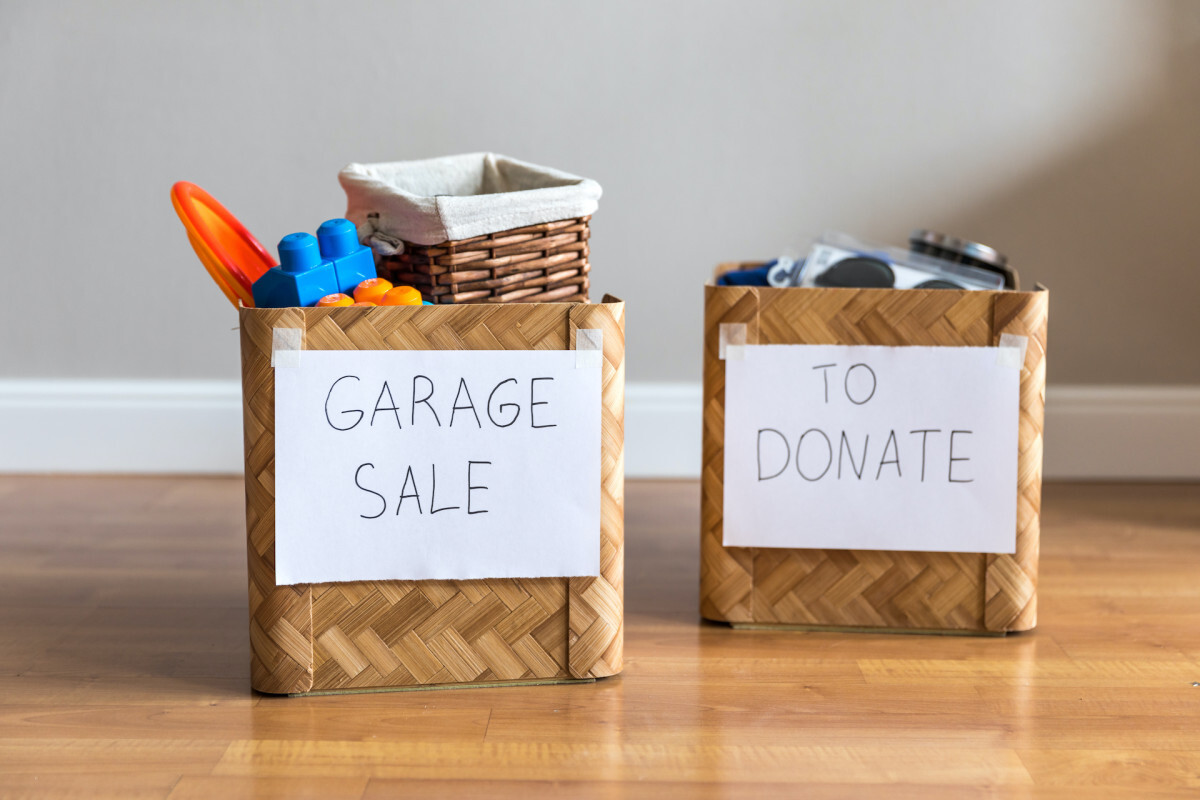
To effectively declutter kitchen gadgets that are seldom used, it is essential to begin with a thorough evaluation of all items currently in your kitchen. This process not only helps identify unnecessary gadgets but also provides insight into your cooking habits and preferences. Understanding which tools are essential can significantly enhance your kitchen’s functionality and efficiency.A systematic approach to evaluating kitchen gadgets involves assessing their usage frequency and practical value.
By determining which gadgets are truly indispensable, you can create a more organized and streamlined cooking environment. The following criteria can assist in making informed decisions regarding your kitchen inventory.
Criteria for Identifying Rarely Used Gadgets
Evaluating the frequency of use for kitchen gadgets can be guided by specific criteria. These criteria will help clarify which items deserve a place in your kitchen and which can be let go. Consider the following points:
- Usage Frequency: Track how often each gadget is used within a month. Items that haven’t been used in this timeframe may be considered for removal.
- Functionality: Assess whether the gadget serves multiple purposes or is only specialized. Multi-functional tools often justify their place in the kitchen.
- Food Preparation Needs: Reflect on your cooking habits. If certain gadgets do not align with your typical recipes or cooking style, they may not be necessary.
- Storage Space: Consider the space available in your kitchen. If a gadget takes up considerable room without regular use, it may be time to reconsider its necessity.
- Sentimental Value: Evaluate any emotional attachment to specific tools. While sentiment can be valid, practicality should also guide your decision.
“The goal of evaluating kitchen gadgets is to create a more functional and enjoyable cooking space by minimizing clutter and maximizing utility.”
Understanding the importance of these criteria can lead to a more organized kitchen that suits your cooking style. By systematically assessing each gadget, you can effectively identify which items are worth keeping and which can be donated or recycled, thus enhancing both your culinary experience and kitchen efficiency.
Categorizing Kitchen Gadgets
Categorizing kitchen gadgets is a vital step in the decluttering process. By categorizing these items based on their usage frequency, you can gain a clearer understanding of what you truly need and what can be removed from your kitchen space, ultimately leading to a more organized and efficient cooking environment.Establishing categories for kitchen gadgets allows you to differentiate between items that are essential, those that are used occasionally, and those that are rarely touched.
This approach not only facilitates the decluttering process but also enhances your cooking experience by ensuring that frequently-used tools are easily accessible. The following table provides a clear framework for organizing your kitchen gadgets based on their usage frequency.
Categories of Kitchen Gadgets
The categorization of kitchen gadgets can be effectively presented through a simple table format. Below is an example of how to structure your gadgets into categories based on their usage frequency:
| Gadget Name | Category | Last Use Date |
|---|---|---|
| Chef’s Knife | Daily | 2023-10-01 |
| Blender | Weekly | 2023-09-25 |
| Pasta Maker | Rarely | 2022-12-15 |
| Slow Cooker | Weekly | 2023-09-28 |
| Can Opener | Daily | 2023-10-02 |
Categorizing kitchen gadgets not only simplifies the decluttering process but also has several benefits.
By knowing which gadgets you use most often, you can prioritize their storage and accessibility, ensuring a more efficient cooking workflow.
Furthermore, this categorization helps in identifying items that may be redundant or unnecessary, paving the way for a more intentional collection of tools. As you review your gadgets, you may discover that some items are better suited for donation or sale, contributing to a more sustainable kitchen environment.
Decision-Making Process
:max_bytes(150000):strip_icc()/decluttering-your-entire-home-2648002-03-0d7df53fe9564f3fa1fe63aa19d7062f.jpg "How to Declutter Your Home: 6 Best Room-by-Room Methods")
The decision-making process for decluttering kitchen gadgets is crucial in determining which items enhance your culinary experience and which merely take up space. This systematic approach allows you to evaluate each gadget based on practicality, frequency of use, and emotional attachment, ultimately leading to a more organized kitchen.To effectively decide which gadgets to keep or discard, consider a structured step-by-step process.
This will aid in clarifying your choices and ensuring that only the most beneficial items remain in your kitchen.
Step-by-Step Process for Evaluating Kitchen Gadgets
Start by gathering all kitchen gadgets in one area to create a comprehensive overview. This visual representation aids in making informed decisions. The following steps Artikel the process clearly:
- Frequency of Use: Assess how often each gadget is used. Items used regularly should be prioritized for retention, while those that have been dormant for months may warrant reconsideration.
- Functionality: Evaluate whether the gadget performs its intended function effectively. If it does not meet expectations, it may be time to let it go.
- Space Consideration: Consider your kitchen’s available storage space. If an item occupies significant room without justifiable use, it is a candidate for discarding.
Assessing Sentimental Value versus Practical Use
When assessing the value of a kitchen gadget, it is important to differentiate between sentimental value and practical usage. Gadgets that evoke memories may hold emotional significance, yet they must also prove their worth in daily kitchen activities.
“Sentimental value can often cloud judgment; however, practical use is essential for an efficient kitchen.”
To facilitate this evaluation, consider the following methods:
- Emotional Reflection: Reflect on why a gadget holds sentimental value. Is it tied to a special occasion or a loved one? If it has not been used in years, this might indicate its sentimental nature outweighs practical use.
- Usage History: Document how frequently the gadget has been utilized. If the item has been stored away for a long time, it may be an indicator that its practical use is minimal.
Creating a ‘Maybe’ Box for Further Consideration
Some gadgets may evoke indecision, making it difficult to determine their fate immediately. A ‘maybe’ box serves as a useful tool for postponing these decisions while maintaining an organized space.Establish a designated box where you can place gadgets that require further contemplation. This process allows you to revisit these items after a designated period, typically 30 to 60 days. By doing this, you can assess whether you miss the items or find alternatives that fulfill the same purpose.
“A ‘maybe’ box helps to alleviate the pressure of immediate decisions, providing time for thoughtful reflection.”
In conclusion, a clear decision-making process, a thoughtful assessment of sentimental versus practical value, and the use of a ‘maybe’ box will significantly aid in decluttering kitchen gadgets, ultimately creating a more efficient and enjoyable cooking environment.
Decluttering Techniques
Decluttering kitchen gadgets can be a liberating experience, allowing you to create a more functional and enjoyable cooking space. Various techniques can be employed to aid in this process, making it easier to decide what to keep and what to let go. Implementing structured methods can help you navigate through your collection effectively.One effective approach is the Marie Kondo method, which emphasizes keeping only those items that ‘spark joy.’ This method encourages individuals to engage emotionally with their belongings, leading to more mindful decisions regarding what to keep.
Another popular technique is the One-In-One-Out rule, which maintains balance in your kitchen. By ensuring that for every new gadget acquired, an old one is released, you can prevent clutter from accumulating.
Decluttering Techniques and Tips
To simplify the decluttering process, consider the following techniques and tips that can streamline your efforts:
- Marie Kondo Method: Evaluate each kitchen gadget based on its ability to bring joy and utility into your cooking space. If it doesn’t, consider parting ways with it.
- One-In-One-Out Rule: Make a commitment to remove one gadget each time you bring in a new one. This helps maintain a balanced collection.
- Utilize a Declutter Box: Place items you are unsure about in a designated box and revisit it after a month. If you haven’t used any of the items, it may be time to let them go.
- Seasonal Review: At the end of each season, reassess your kitchen gadgets. Consider whether they served a purpose during the season or if they are taking up valuable space.
- Set a Timer: Dedicate a specific amount of time to declutter, focusing solely on one drawer or shelf. This limits overwhelm and encourages efficiency.
- Involve Family Members: Engage everyone in the household in the decluttering process. Discuss which gadgets are essential for family meals and enjoyment.
Digital tools and apps can also assist in tracking your kitchen gadgets and maintaining an organized inventory. Applications such as ‘Sortly’ or ‘Home Inventory’ allow you to catalog your items, making it easier to see what you own and what is truly necessary. These digital solutions can enhance your decluttering process by providing visual organization and reminders about what you have, which can help prevent future clutter.
“Clutter isn’t just the stuff on your floor; it’s anything that stands between you and the life you want to be living.” – Peter Walsh
Disposing of Unwanted Gadgets
Disposing of unwanted kitchen gadgets can be a vital step in your decluttering journey. With various options available, it’s essential to choose a method that not only benefits you but also contributes to the community or environment. This section explores the choices for responsibly disposing of kitchen gadgets that no longer serve a purpose in your home.There are several effective methods for disposing of unwanted kitchen gadgets.
These include donating, recycling, and selling items. Each option has its own set of benefits and considerations. Understanding how to prepare your items for these processes can enhance the likelihood of successful disposal.
Options for Disposing of Kitchen Gadgets
Choosing the right method for disposing of unwanted kitchen gadgets can significantly affect both the environment and local communities. Below are detailed options available to you:
- Donation: Many local charities and shelters accept kitchen gadgets in good condition. Donating allows others to benefit from items you no longer use while keeping them out of landfills.
- Recycling: Recycling is an eco-friendly option for kitchen gadgets that are broken or not suitable for donation. Many municipalities offer recycling programs specifically for electronics and appliances.
- Selling: Consider selling unwanted gadgets online through platforms like eBay, Craigslist, or local Facebook Marketplace. This option can help you recoup some of the costs associated with the items.
Preparing Items for Sale or Donation
Proper preparation of kitchen gadgets before sale or donation can enhance their appeal and usability. Below are essential steps to follow:
- Clean each item thoroughly to remove any grime or food residue, making them more appealing to potential buyers or recipients.
- Check for functionality by testing each gadget. Ensure that everything works as intended to avoid disappointing the next user.
- If items include original packaging or manuals, include those to add value and completeness to the product.
- For sale items, take clear and well-lit photographs, highlighting any unique features or conditions of the gadgets.
Local Resources for Recycling or Donating Kitchen Gadgets
When considering recycling or donation, it’s helpful to know the local resources available. The following table Artikels some options for your area:
| Resource Type | Name | Contact Information | Services Offered |
|---|---|---|---|
| Donation Center | Goodwill Industries | (123) 456-7890 | Accepts small kitchen appliances and gadgets in working condition. |
| Recycling Center | Local E-Waste Recycling | (234) 567-8901 | Specializes in recycling electronic kitchen gadgets. |
| Online Marketplace | Facebook Marketplace | Website Access | Platform for selling unwanted kitchen items locally. |
“Responsible disposal not only helps to clear your space but also supports sustainability and community.”
Organizing Remaining Gadgets

Efficient organization of kitchen gadgets is essential for enhancing productivity and ensuring that each tool is easily accessible during meal preparation. After decluttering, the remaining gadgets should be arranged in a manner that maximizes both visibility and convenience. This not only streamlines the cooking process but also helps maintain a tidy kitchen environment.To create an efficient organization system for your kitchen gadgets, consider implementing various storage solutions that cater to the specific needs of your kitchen space.
These solutions aid in keeping items visible and within reach, which minimizes the time spent searching for tools while cooking.
Effective Storage Solutions
Utilizing appropriate storage solutions can significantly enhance the organization of kitchen gadgets. The following list Artikels various options that can facilitate effective organization:
- Drawer Dividers: These dividers create separate sections within drawers, allowing for easy categorization of small gadgets like measuring spoons, peelers, and small whisks.
- Clear Storage Bins: Using transparent bins or containers for grouping similar items can enhance visibility and make it simple to locate specific gadgets quickly.
- Magnetic Strips: Installing magnetic strips on walls or the inside of cabinet doors can be an innovative way to store metal tools such as knives, whisks, and tongs, keeping them off the counter and easily accessible.
- Vertical Shelving: Tall shelving units can maximize vertical space and allow for the storage of larger appliances or less frequently used gadgets, ensuring they do not clutter countertops.
- Over-the-Door Organizers: Utilizing the back of cabinet doors for storage can free up valuable space. These organizers are ideal for storing smaller gadgets that are often overlooked.
Maintaining organization is crucial for preventing future clutter. Regularly assessing your kitchen space ensures that gadgets are returned to their designated spots after use, which prevents the accumulation of unnecessary items. Additionally, implementing a routine for reorganizing and decluttering gadgets periodically can help maintain an orderly kitchen environment.
“A well-organized kitchen enhances not only functionality but also the joy of cooking.”
Maintaining a Clutter-Free Kitchen
To sustain a clutter-free kitchen, it is essential to implement proactive strategies that prevent the accumulation of unnecessary gadgets and tools. Regular maintenance and evaluation of kitchen items not only enhance the efficiency of space but also promote a more enjoyable cooking environment. This section will explore effective methods and best practices for maintaining an organized kitchen.
Strategies for Preventing Clutter Accumulation
Establishing habits that discourage clutter buildup is vital for long-term kitchen organization. By implementing these strategies, you can minimize the chances of acquiring unnecessary gadgets and maintain a streamlined kitchen:
- Limit Purchases: Before acquiring new kitchen gadgets, consider whether you truly need them. Developing a “one-in, one-out” policy can help manage the influx of new items.
- Adopt a Minimalist Mindset: Embrace simplicity in your kitchen by focusing on versatile tools that can perform multiple functions, reducing the need for specialized gadgets.
- Regularly Assess Your Needs: Periodically evaluate your cooking habits and adjust your kitchen inventory accordingly. If certain gadgets have not been used in recent months, consider letting them go.
Importance of Regular Kitchen Evaluations
Conducting regular evaluations of your kitchen gadgets is crucial for maintaining an organized space. This practice allows you to identify items that may no longer serve a purpose and ensures that your kitchen reflects your current cooking style.
“A clutter-free kitchen is not just an aesthetic choice; it is a functional necessity that enhances cooking efficiency.”
Checklist for Ongoing Kitchen Maintenance Practices
Creating a maintenance checklist can streamline the process of keeping your kitchen clutter-free. Regular adherence to this checklist fosters accountability and encourages consistent organization. Below is a recommended checklist for ongoing kitchen maintenance:
- Conduct a monthly review of kitchen gadgets to assess usage and relevance.
- Establish a routine for cleaning and organizing kitchen drawers and cabinets every three months.
- Evaluate your kitchen layout and flow annually to ensure optimal functionality and accessibility.
- Encourage family members to participate in maintaining the kitchen by designating specific storage areas for each gadget.
- Donate or recycle unused items immediately during each evaluation to prevent clutter from accumulating.
Closure
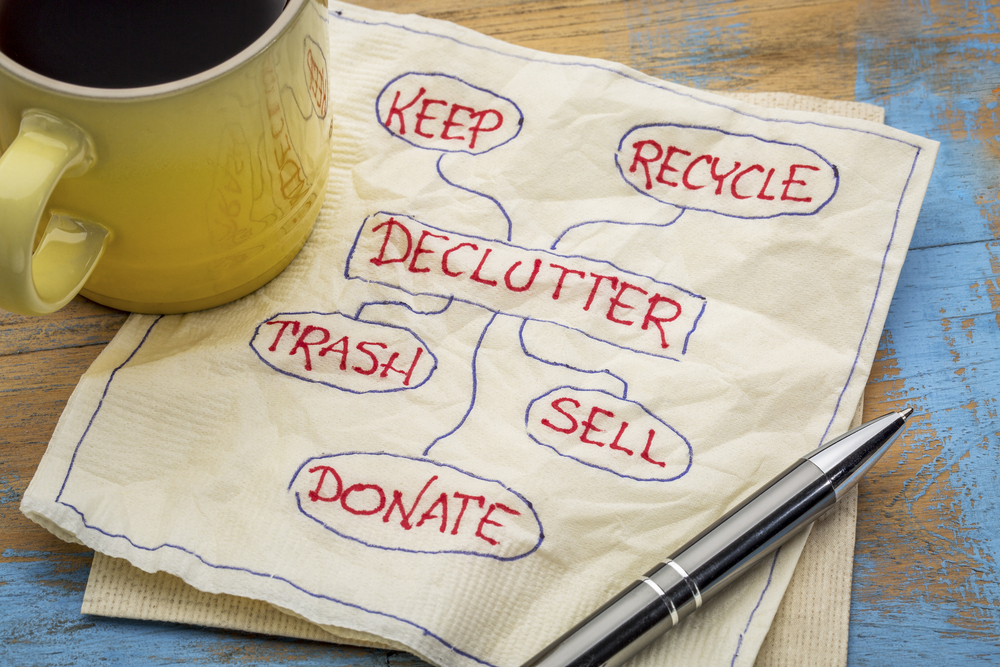
In conclusion, taking the time to assess, categorize, and declutter your kitchen gadgets is a worthwhile endeavor that can significantly enhance your cooking experience. By eliminating unused items and organizing the remaining tools, you create a kitchen environment that fosters creativity and efficiency. Regular evaluations and mindful maintenance will help you sustain a clutter-free space, allowing you to enjoy the art of cooking without distractions.