How to Declutter by Category Instead of by Room takes center stage, inviting you into a transformative journey of organization. This method emphasizes categorization over spatial divisions, allowing for a more focused and effective decluttering process. By understanding and applying this approach, individuals can experience not only a more efficient tidying process but also significant psychological benefits, as popularized by the renowned decluttering expert Marie Kondo.
By shifting the perspective on decluttering, one can tackle various categories, such as clothing, books, and sentimental items, in a manner that suits personal needs. This strategy not only streamlines the process but also encourages a deeper connection with one’s belongings, ultimately fostering a more harmonious living environment.
Introduction to Decluttering by Category

Decluttering by category represents a transformative approach to organizing one’s belongings. Unlike the traditional method of tackling one room at a time, this strategy emphasizes sorting items based on their type—such as clothing, books, or kitchenware—regardless of where they are located in the home. This method fosters a comprehensive understanding of the quantity and variety of possessions one owns, ultimately leading to more informed decisions about what to keep and what to part with.The primary advantage of decluttering by category lies in its efficiency and psychological benefits.
By focusing on one category at a time, individuals can experience a clearer and more manageable process. This approach minimizes the feeling of being overwhelmed, as it allows for a deep dive into a specific type of item. Furthermore, it promotes mindfulness, encouraging individuals to assess the emotional value and utility of each item in relation to their life goals.
The method’s effectiveness is rooted in the philosophy of Marie Kondo, a Japanese organizing consultant, whose insights have gained global recognition. Kondo emphasizes that to declutter successfully, one should first gather all items of a particular category in one place, evaluate their significance, and only keep those that “spark joy.”
Benefits of Decluttering by Category
The benefits associated with decluttering by category extend beyond mere organization. This method not only streamlines the process of tidying up but also enhances mental clarity and emotional well-being. Below are several key advantages:
- Enhanced Focus: Concentrating on one category allows individuals to truly understand their attachment to certain items, leading to more deliberate choices.
- Improved Efficiency: By grouping similar items together, the decision-making process becomes quicker, reducing the time spent on organizing.
- Reduced Stress: Working within a single category can lessen feelings of overwhelm, making the task feel more achievable.
- Greater Awareness: This method encourages individuals to recognize patterns in their consumption habits, promoting more mindful purchasing in the future.
- Joyful Living: By keeping items that spark joy, individuals create a more positive and uplifting environment in their homes.
The approach not only aids in physical space management but also contributes to cultivating a deeper connection with one’s possessions, leading to a more intentional and joyful living space.
Understanding Categories for Decluttering
Decluttering is a multifaceted process that can significantly enhance one’s living space and mental well-being. A key approach to effective decluttering is organizing items by category rather than by room. This method allows for a more thorough examination of belongings, facilitating healthier decision-making and a clearer understanding of what truly brings value to your life. By focusing on categories, individuals can address their clutter in a structured manner, leading to more sustainable outcomes.Identifying common categories used in decluttering is essential in determining how to approach this process effectively.
Some of the most frequently recognized categories include clothing, books, papers, miscellaneous items, and sentimental items. Each category can encompass a wide range of items, and understanding these broad classifications can help prioritize decluttering efforts based on personal needs and circumstances.
Common Decluttering Categories
Prioritizing categories in decluttering can greatly influence the efficiency and success of the process. Below are some common categories, along with subcategories that can provide an even finer focus:
- Clothing:
- Everyday wear
- Seasonal clothing
- Shoes
- Accessories (hats, belts, scarves)
- Formal wear
- Books:
- Fiction
- Non-fiction
- Reference materials
- Children’s books
- Textbooks
- Papers:
- Financial documents (bills, receipts)
- Important records (birth certificates, legal documents)
- Mail (junk, important correspondence)
- Notes and reminders
- Miscellaneous Items:
- Kitchenware (utensils, appliances)
- Electronics (chargers, gadgets)
- Decorative items (art, collectibles)
- Toys and games
- Sentimental Items:
- Family heirlooms
- Photographs
- Gifts from loved ones
- Memorabilia (concert tickets, travel souvenirs)
By categorizing items, individuals can better recognize the volume of belongings they possess and make informed decisions about what to keep, donate, or discard. This method not only alleviates the physical burden of excess belongings but also fosters emotional clarity regarding one’s attachments to certain items. Determining which categories to focus on first can be guided by personal needs, lifestyle, and urgency.
For instance, a person preparing for a life transition, such as moving or downsizing, may prioritize clothing and papers, while someone seeking to create a more organized workspace might first address miscellaneous items and papers. Recognizing personal circumstances and motivations can significantly enhance the decluttering experience and lead to a more meaningful connection with one’s living environment.
“Decluttering is not just about getting rid of things; it is a journey towards understanding our relationship with our possessions.”
The Process of Decluttering by Category
The process of decluttering by category provides a structured approach to organizing and simplifying your living space. This method focuses on sorting belongings according to their specific type rather than by the rooms in which they are located, leading to a more thorough and comprehensive decluttering experience. By addressing categories, individuals can more effectively assess their possessions, make informed decisions about what to keep, and ultimately create a harmonious environment.To successfully implement this process, it is essential to follow a step-by-step guide, develop a realistic timeline, and utilize a checklist for effective evaluation.
This structured approach ensures that all items within a category are considered, reducing the chances of overlooking important belongings or retaining unnecessary items.
Step-by-Step Guide for Decluttering by Category
Starting the decluttering process requires a clear plan. This step-by-step guide Artikels the necessary actions to systematically sort through your belongings:
1. Choose a Category to Start With
Begin with a category that feels manageable. Common categories include clothing, books, papers, miscellaneous items, and sentimental items.
2. Gather All Items in the Chosen Category
Collect all items belonging to the selected category in one central location. This visual representation of the total quantity helps in evaluating what to keep and what to discard.
3. Assess Each Item
Examine each item critically. Consider whether it serves a purpose, brings joy, or holds significant value.
4. Make a Decision
For each item, decide whether to keep, donate, sell, recycle, or discard it.
5. Organize the Remaining Items
Once decisions are made, organize the items you choose to keep. This can involve creating designated spaces or containers for better accessibility.
6. Repeat the Process for Other Categories
Move on to the next category and follow the same steps until all categories have been addressed.
Timeline for Tackling Each Category
Creating a timeline can help manage the decluttering process effectively. Here is a suggested timeline:
Week 1-2
Clothing Focus on all clothing items, including shoes and accessories. Aim to complete this category within two weeks.
Week 3
Books Dedicate a week to sorting through books. Consider both the bookshelves and any other locations where books may be stored.
Week 4
Papers Allocate a week for handling papers. This includes documents, bills, and miscellaneous paperwork that may clutter your space.
Week 5
Miscellaneous Items Spend a week focusing on miscellaneous items that do not fit neatly into other categories, ensuring a thorough review.
Week 6
Sentimental Items Finally, take a week to assess sentimental items. This may require more time for reflection, so ensure you approach this category mindfully.
Checklist of Items to Assess Within Each Category
Utilizing a checklist ensures that you cover all aspects of each category. Below is a checklist of items to assess:
For Clothing
Tops, bottoms, outerwear
Shoes and accessories
Undergarments and sleepwear
For Books
Fiction and non-fiction books
Textbooks and reference materials
Magazines and journals
For Papers
Bills and bank statements
Important documents (e.g., birth certificates, contracts)
Notes and miscellaneous papers
For Miscellaneous Items
Kitchen gadgets and utensils
Home decor and furniture
Tools and equipment
For Sentimental Items
Photographs and albums
Gifts and mementos
Heirlooms and keepsakes
By adhering to this structured process, individuals can achieve a more organized and serene living space, allowing them to focus on what truly matters in their lives.
Techniques for Effective Decluttering
Decluttering effectively requires the use of strategic techniques that help streamline the sorting process. Utilizing methods that categorize items can significantly enhance the efficiency of decluttering efforts. This section explores various techniques for sorting items, particularly focusing on the popular ‘Keep, Donate, Discard’ method, the approach to handling sentimental items, and creative alternatives to simply discarding unwanted goods.
Sorting Techniques
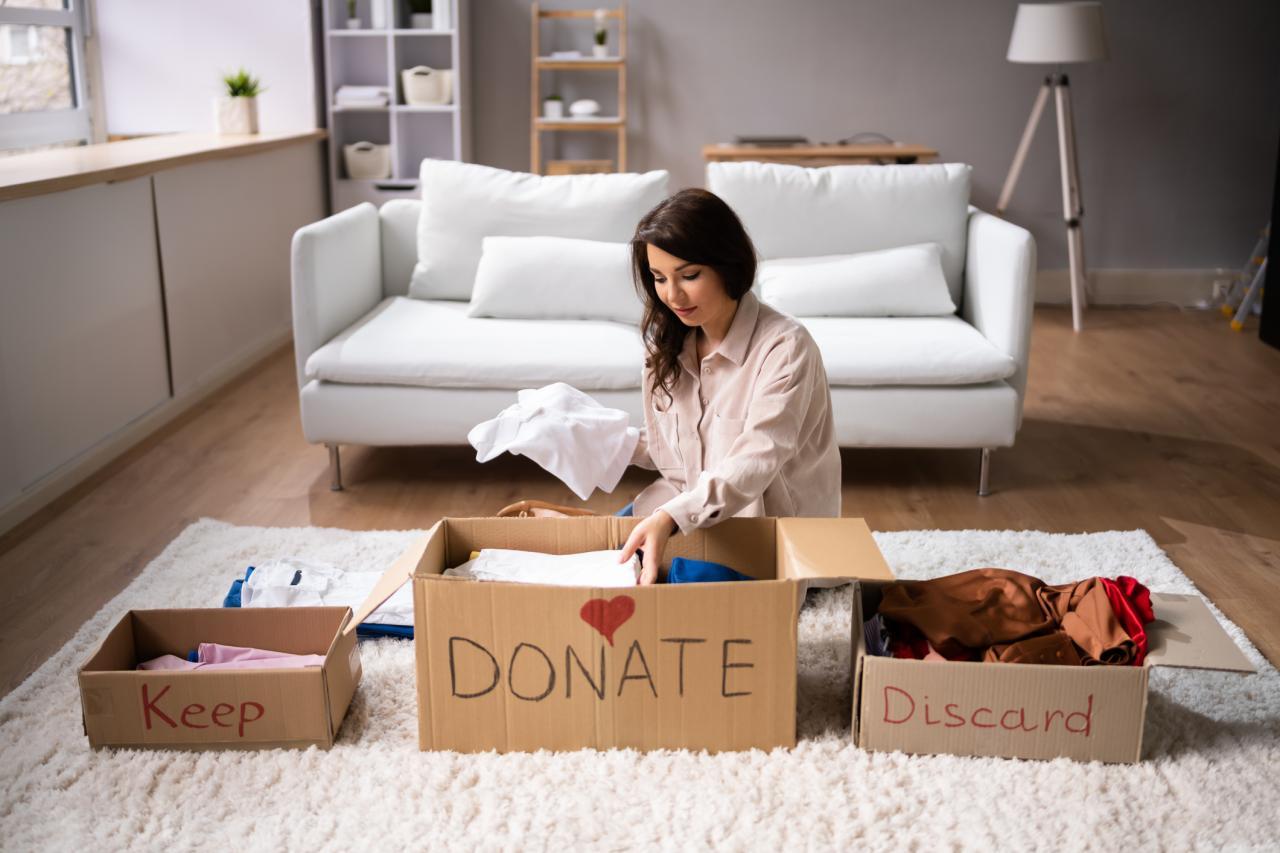
A systematic approach to sorting items can make the decluttering process less overwhelming and more productive. The ‘Keep, Donate, Discard’ method is a straightforward yet effective technique that allows individuals to categorize their belongings based on their utility and emotional value.
- Keep: Items that are essential, functional, or bring joy into your life fall into this category. These are the possessions that you actively use or treasure.
- Donate: Belongings that are in good condition but no longer serve a purpose for you, such as clothing or household goods, can be donated. This option not only helps others but also frees up space in your home.
- Discard: Broken, outdated, or damaged items should be recycled or thrown away. This ensures that your space is not cluttered with things that cannot be utilized.
Addressing Sentimental Items
Sentimental items can pose a unique challenge during the decluttering process. Evaluating their importance requires a thoughtful approach to balance emotional attachment and practicality. To assess sentimental items effectively, consider the following criteria:
- Memory Recall: Determine if the item evokes a significant memory or feeling. If a photograph or gift brings back fond memories, it may warrant keeping it.
- Space Consideration: Assess if the sentimental item occupies an appropriate amount of space relative to its emotional value. Keeping a few cherished items instead of a whole collection can be transformative.
- Repurposing Potential: Evaluate whether the item can serve a new purpose or be displayed in a meaningful way, such as turning a wedding dress into a pillow or quilt.
“It is not the number of items you keep, but the quality of the memories that matter.”
Creative Solutions for Rehoming Items
Instead of discarding unwanted items, consider creative solutions that can breathe new life into them. Rehoming or repurposing items not only benefits you but can also positively impact others and the environment.Examples of creative solutions include:
- Upcycling: Transforming old furniture into new pieces through painting or reupholstering adds uniqueness to your home while minimizing waste.
- Community Sharing: Establish or contribute to a community swap group where people can trade items they no longer need, fostering a sense of community and sustainability.
- Art Projects: Use old clothing or textiles for DIY art projects, such as creating a collage or fabric art, which can be a fun and fulfilling way to preserve memories.
Maintaining a Clutter-Free Environment
:max_bytes(150000):strip_icc()/decluttering-your-entire-home-2648002-03-0d7df53fe9564f3fa1fe63aa19d7062f.jpg "How to Declutter Your Home: 6 Best Room-by-Room Methods")
A clutter-free environment promotes not only aesthetic appeal but also mental clarity and productivity. Following an initial decluttering process, it is crucial to implement effective strategies that ensure clutter does not return. By creating designated spaces and regularly reassessing items, individuals can maintain an organized and serene living space.
Strategies for Preventing Clutter Accumulation
To sustain a clutter-free environment, it is essential to adopt proactive habits. Regularly evaluating one’s belongings and establishing clear protocols for new items can significantly reduce the likelihood of clutter re-emerging. Some effective strategies include:
- Implementing a one-in, one-out policy: For every new item brought into the home, one existing item should be removed.
- Setting specific times for decluttering: Scheduling regular intervals for reassessing belongings ensures that items do not accumulate unnoticed.
- Limiting impulse purchases: Being mindful of spending habits can prevent unnecessary clutter from entering the home.
- Establishing a “donate” box: Keeping a designated space for items to donate can motivate individuals to part with items they no longer need.
Creating Designated Spaces for Each Category
Organizing items into specific categories and assigning them designated spaces is vital for maintaining order. This method not only enhances accessibility but also simplifies the process of finding and storing items. To create effective designated spaces, consider the following:
- Labeling storage containers: Clearly labeled bins and boxes make it easy to identify where items belong, reducing the chances of misplacement.
- Utilizing vertical space: Employing shelves and wall-mounted storage solutions can maximize available space and keep items off the floor.
- Incorporating multifunctional furniture: Furniture that doubles as storage can help eliminate clutter while serving a practical purpose.
- Creating “homes” for frequently used items: Designating specific spots for commonly used belongings ensures they are easily accessible and returned to their rightful place after use.
Regularly Reassessing Items and Categories
Maintaining a clutter-free environment requires continuous effort. Regularly reassessing belongings and categories helps individuals stay accountable and ensures that only necessary items remain. To facilitate this process, individuals can adopt the following methods:
- Conducting seasonal reviews: Setting aside time at the change of seasons to evaluate items can provide a fresh perspective on what is truly needed.
- Establishing a routine for item evaluation: Integrating regular assessments into existing routines, such as during cleaning days, can make the process manageable.
- Utilizing a checklist: Creating a checklist for specific categories can systematically guide individuals through their belongings, ensuring nothing is overlooked.
- Engaging in mindful reflection: Taking the time to consider the emotional and practical value of items can aid in making informed decisions about keeping or letting go.
Case Studies and Real-Life Examples
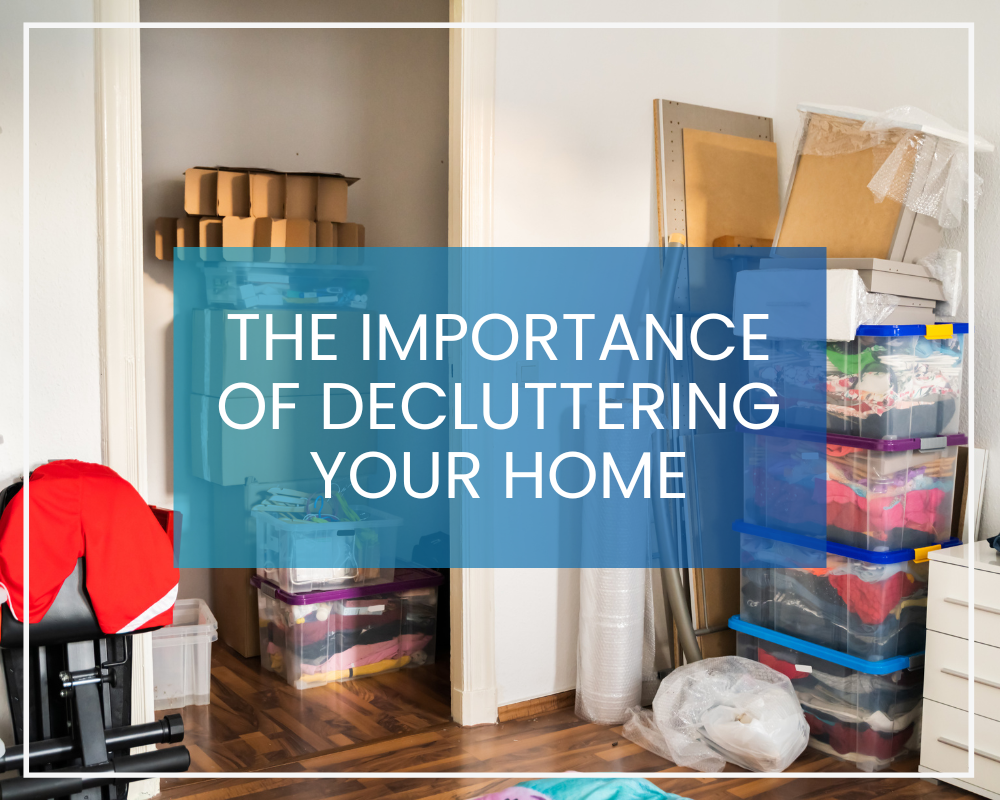
Many individuals and families have successfully transformed their living spaces by applying the principle of decluttering by category. This approach often leads to more significant and sustainable results than traditional room-by-room methods. Through detailed case studies, we can explore the experiences of those who have undertaken this journey, comparing their outcomes and the challenges they faced along the way.
Case Study: The Johnson Family’s Clothing Category Declutter
The Johnson family, consisting of four members, decided to tackle their clutter by focusing on clothing as their primary category. They began by gathering all clothing items from every room in their home, including closets, dressers, and even laundry baskets. This allowed them to see the sheer volume of clothing they owned, which was a significant eye-opener.The family faced the initial challenge of deciding what to keep.
To overcome this, they implemented the following solutions:
- Use of Sorting Criteria: They utilized the “joy” criterion, asking if each item sparked joy, a principle inspired by Marie Kondo’s decluttering philosophy.
- Family Involvement: Each family member participated in the process, which not only eased decision-making but also fostered a sense of shared responsibility.
- Setting a Time Limit: They allocated specific time blocks to sort each sub-category of clothing, preventing overwhelm and ensuring focus.
As a result, the Johnson family reduced their clothing collection by 60%, creating a more manageable wardrobe that not only simplified daily choices but also made their space feel more organized and serene.
Case Study: Sarah’s Kitchenware Decluttering
Sarah, a single professional living in a small apartment, recognized her kitchen was overcrowded with various utensils and gadgets that she seldom used. By focusing on kitchenware as her decluttering category, Sarah began the process by emptying all cupboards and drawers.The challenges she encountered included emotional attachments to certain items and difficulty visualizing the space after decluttering. To address these issues, Sarah took the following steps:
- Emotional Reflection: She journaled about her feelings regarding specific kitchen items, helping her detach from those she no longer needed.
- Practical Considerations: Sarah created a list of essential kitchen tools that she used regularly, clearly identifying which items were redundant.
- Donation and Recycling: Items that were in good condition but no longer needed were donated, while broken items were recycled, making the process feel more meaningful.
The outcome was a decluttered kitchen that allowed Sarah to enjoy cooking again. She reported feeling less stressed and more inspired in her culinary pursuits.
Comparative Results of Decluttering by Category vs. Room
Personal testimonials illustrate the effectiveness of decluttering by category compared to room-based methods. Many individuals noted that by focusing on categories, they experienced a more profound sense of accomplishment and clarity.For instance, Mark, who initially attempted to declutter his garage by room, found himself overwhelmed and frustrated. When he shifted his approach to decluttering by category, specifically focusing on tools, he reported:
- Increased Clarity: By seeing all his tools in one place, he was able to discern duplicates and items that no longer served a purpose.
- Greater Motivation: The visual impact of a categorized declutter gave him a clearer path to continue tackling other areas of his home.
In contrast, Maria, who worked on her home office room by room, found that clutter in one area often spilled over into another, leading to a never-ending cycle of mess.These case studies and testimonials highlight the benefits, challenges, and solutions associated with decluttering by category, offering valuable insights for anyone seeking to improve their living environment through this method.
Tools and Resources for Decluttering
To successfully navigate the decluttering process, it is essential to have the right tools and resources at your disposal. Utilizing appropriate supplies can streamline your efforts, making the task more efficient and enjoyable. Additionally, resources such as books, websites, and apps can provide guidance, inspiration, and community support throughout your decluttering journey.
Essential Tools and Supplies for Decluttering
Having the right tools can significantly enhance your decluttering experience. Here are some essential supplies that can aid in the process:
- Storage Bins and Boxes: Clear bins can help categorize and store items effectively.
- Labels: Using labels on bins or boxes can enhance organization and make it easier to locate items.
- Trash Bags: Keep bags handy for items that need to be discarded or recycled.
- Donation Boxes: Designate a box specifically for items you wish to donate.
- Cleaning Supplies: Having cleaning materials on hand can help you tidy up spaces as you declutter.
- Measuring Tape: Useful for ensuring that new storage solutions fit appropriately in designated spaces.
- Notebook or Journal: Keeping track of your progress and reflections can be motivating and insightful.
Books and Websites for Decluttering Guidance
Books and online resources provide valuable insights into decluttering methods and philosophies. Numerous publications and websites cater to different decluttering styles, especially focusing on category-based approaches:
- “The Life-Changing Magic of Tidying Up” by Marie Kondo: This book emphasizes the importance of decluttering by category and offers actionable steps.
- “The Minimalist Home” by Joshua Becker: A guide to creating a minimalist living space through effective decluttering strategies.
- Becoming Minimalist: A website featuring articles, resources, and community support focused on minimalist living and decluttering.
- Apartment Therapy: Offers practical tips for decluttering and organizing your home with a focus on small spaces.
- Good Housekeeping: Features a variety of articles and guides on home organization and decluttering methods.
Apps for Decluttering Assistance
In the digital age, various applications can help you stay organized during your decluttering process. These apps can track your progress, set reminders, and provide inspiration:
- Todoist: A task management app that helps you create a decluttering schedule and set reminders for each category.
- Decluttr: An app designed for selling unwanted tech and media, simplifying the process of letting go of those items.
- Keepy: An app for organizing kids’ artwork and keepsakes, helping you to declutter sentimental items while preserving memories.
- Sortly: A visual inventory management app that allows you to catalog and categorize your belongings.
Online Communities and Forums for Support
Engaging with communities or forums can provide encouragement and motivation during your decluttering journey. These platforms offer support from individuals who share similar goals:
- Reddit – r/declutter: A community where users share their decluttering stories, tips, and challenges.
- Facebook Groups: Many groups are dedicated to minimalism and decluttering, offering a space for members to share experiences and advice.
- Meetup: Search for local decluttering or minimalism groups for in-person support and motivation.
- Instagram: Follow hashtags like #declutter and #minimalism for inspiration and to connect with others on similar journeys.
Last Point
In conclusion, embracing the practice of decluttering by category rather than by room can lead to a more organized and fulfilling lifestyle. By following the Artikeld steps and techniques, including thoughtful evaluation and creative repurposing, individuals can maintain a clutter-free environment effectively. As demonstrated through real-life examples, this approach not only simplifies the decluttering process but also enhances personal well-being, making it a worthwhile endeavor for all.