How to Declutter When You Have Physical Limitations is a vital exploration of how individuals can navigate the decluttering process while facing various physical challenges. This topic resonates deeply with those who seek to create a more organized living space but feel hindered by their limitations. Understanding these challenges is the first step towards developing effective strategies that promote a sense of accomplishment and well-being.
By acknowledging one’s own physical constraints and preparing mentally for decluttering, individuals can create an environment that fosters organization and clarity. This guide aims to empower readers with practical tools, supportive resources, and innovative methods tailored for those with physical limitations, ensuring that the journey towards a decluttered space is both manageable and rewarding.
Understanding Physical Limitations
Recognizing and understanding physical limitations is essential when embarking on the decluttering journey. These limitations may range from chronic illness, mobility issues, to temporary injuries, each presenting unique challenges that can affect one’s ability to effectively declutter. By acknowledging these limitations, individuals can create a more tailored and manageable approach to the decluttering process.Physical limitations can significantly impact how one engages with the decluttering process.
For instance, someone with arthritis may find it painful to lift heavy boxes or bend down to reach items stored low. Similarly, individuals with mobility constraints may struggle to navigate through cluttered spaces, making it even more challenging to identify what items to keep or discard. Recognizing these limitations allows individuals to set realistic expectations and adapt their strategies accordingly, ultimately leading to a more successful decluttering experience.
Strategies to Mentally Prepare for Decluttering
Preparing mentally for decluttering while managing physical limitations requires a thoughtful approach. It is crucial to cultivate a positive mindset and establish clear intentions before beginning the process. Below are several strategies that can aid in this preparation:
- Set Realistic Goals: Establish achievable objectives based on personal abilities, such as decluttering one small area at a time, rather than attempting to tackle an entire room.
- Visualize Success: Imagine how a decluttered space would feel and look. This visualization can serve as motivation to work through challenges.
- Engage Supportive Help: Ask for assistance from family or friends who understand your physical constraints. Their support can make the process more manageable and enjoyable.
- Utilize Adaptive Tools: Consider using supportive tools such as grabbers for hard-to-reach items or lightweight storage solutions to ease the physical strain during the decluttering process.
- Practice Patience: Understand that progress may be slow, and it is essential to celebrate small victories along the way. Emphasizing patience can reduce frustration and increase satisfaction.
By employing these strategies, individuals can approach decluttering with a renewed sense of empowerment and clarity, allowing them to navigate through their limitations effectively.
Setting Up a Decluttering Space
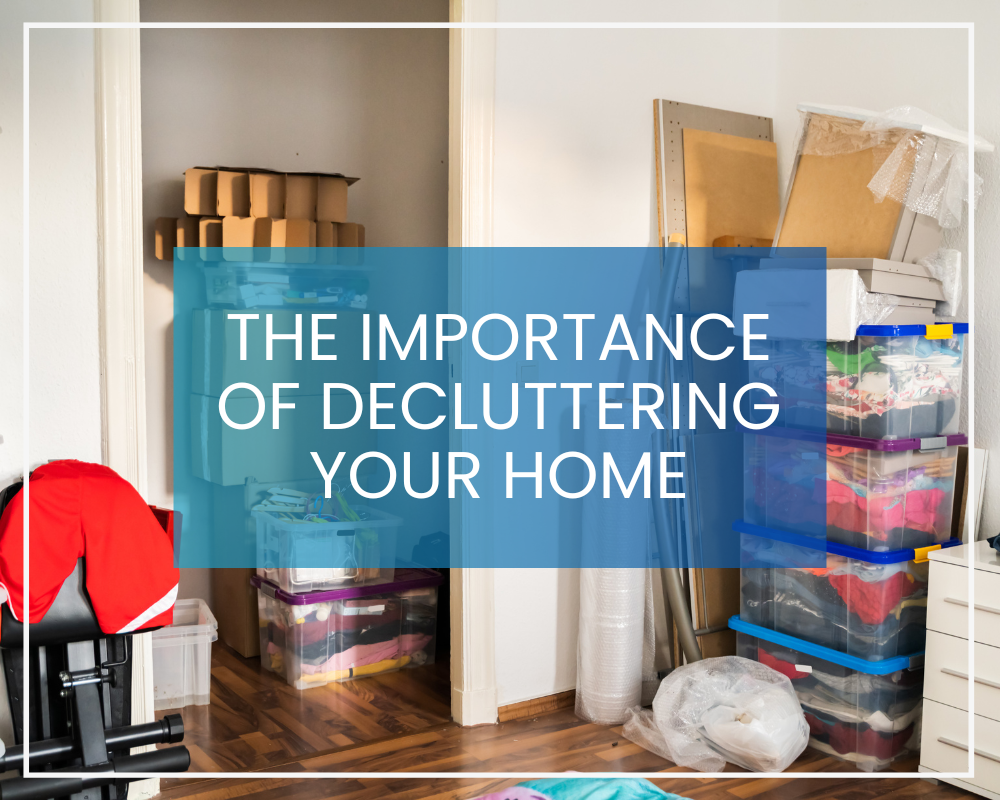
Creating a decluttering space that accommodates physical limitations is essential for a productive and stress-free organization process. By establishing an environment tailored to individual needs, individuals can ensure they have the necessary tools and support to effectively manage their belongings.A suitable decluttering environment should be spacious, well-lit, and easily accessible. This allows for freedom of movement, which is particularly important for those with mobility issues.
Additionally, creating areas designated for sorting items can streamline the decluttering process. Utilizing furniture and tools designed to support physical limitations can further enhance this environment.
Examples of Tools and Furniture
Incorporating the right tools and furniture can significantly aid in the decluttering efforts. The following examples illustrate items that can create a more efficient and supportive decluttering space:
- Height-Adjustable Tables: These tables can be modified to suit standing or sitting positions, making it easier for individuals to work at a comfortable height.
- Rolling Carts: Lightweight and mobile carts allow for easy transportation of items across different areas without heavy lifting.
- Storage Bins with Lids: Transparent bins simplify the identification of contents, and using bins with handles can reduce strain when moving them.
- Grab Bars or Handles: Installing these in the decluttering area can provide additional support when moving around or lifting items.
- Ergonomic Tools: Tools such as lightweight dustpans, easy-grip scissors, and reachers can assist in managing items safely.
When setting up the decluttering space, consider the following checklist to ensure an efficient and accessible environment:
- Clear the area of any obstacles to create a safe and open workspace.
- Ensure adequate lighting to minimize strain on the eyes and enhance visibility.
- Position tools and supplies within easy reach to reduce bending or stretching.
- Designate specific areas for items to keep the decluttering process organized.
- Incorporate comfortable seating options that provide support while sorting through items.
“An organized space is not just visually appealing but also functionally supportive, especially for individuals with physical limitations.”
Strategies for Decluttering
Decluttering can be an overwhelming task, particularly for individuals facing physical limitations. However, with the right strategies in place, this process can become more manageable and even enjoyable. The following guidelines aim to provide structured approaches that accommodate physical challenges while promoting a sense of accomplishment in organizing one’s living space.A step-by-step guide to decluttering can significantly enhance the efficiency of the process.
This method capitalizes on organization and breaks down the decluttering task into smaller, attainable segments. The following steps Artikel a practical roadmap for individuals with physical limitations:
Step-by-Step Guide to Decluttering
1. Choose a Small Area
Begin with a defined space, such as a drawer or a single shelf, to avoid feeling overwhelmed. Focus on one area at a time to ensure manageable progress.
2. Gather Supplies
Assemble necessary supplies, including trash bags, donation boxes, and sorting bins. Using lightweight containers can reduce physical strain.
3. Set a Timer
Allocate a specific amount of time for decluttering, such as 15 or 30 minutes. This helps maintain energy levels and provides a manageable time frame.
4. Sort Items
Utilize a simple sorting method by categorizing items into three groups: Keep, Donate, and Discard. This clear categorization simplifies decision-making.
5. Take Breaks
Schedule short breaks to prevent fatigue. Recognizing the importance of rest is vital for maintaining energy and motivation.
6. Dispose of Items
Once sorting is complete, promptly remove discarded items to avoid second-guessing decisions. Arrange for donations to be picked up or delivered.
7. Create a Maintenance Plan
Establish a regular schedule for reviewing and maintaining the decluttered area to prevent accumulation of unwanted items.
Methods for Easy Sorting and Organizing
Implementing effective methods for sorting and organizing can greatly simplify the decluttering process. The following techniques allow for a systematic approach that aids in decision-making:The Four-Box Method is an effective technique that entails using four clearly labeled boxes for sorting: Keep, Donate, Repair, and Trash. This method aids in visualizing options and encourages decisive action.Utilizing Color-Coded Labels can also facilitate easier sorting.
Assign colors to various categories, such as red for trash, green for keep, and blue for donate. This visual aid enables quicker identification and reduces the effort of reading labels. Checklists can serve as practical tools for organizing thoughts and ensuring no items are overlooked. Creating a checklist for each room or area can guide the sorting process and provide a sense of accomplishment as items are checked off.
Specialized Containers and Tools for the Decluttering Process
Incorporating specialized containers and tools can further assist individuals with physical challenges. These tools are designed to simplify organizing and reduce physical strain. Ergonomic Bins and Containers are available in various sizes and shapes that are easy to handle and transport. Choosing lightweight options can prevent fatigue and enable more efficient sorting. Grabber Tools can assist in reaching items that are out of reach, allowing for easier access to clutter without the need to strain.
These tools can be particularly beneficial for those with mobility restrictions. Rolling Carts provide a convenient way to transport items from one area to another. Utilizing a rolling cart minimizes lifting and reduces the risk of injury while managing clutter.Incorporating these strategies and tools into your decluttering process can create a more accessible and manageable experience, promoting a positive impact on your living environment.
Utilizing Assistance
:max_bytes(150000):strip_icc()/SPR-decluttering-checklist-7564554-hero-41ca01ba6e5544ceb329d6ab5ff86883.jpg "Declutter Checklist Printable - Printable Word Searches")
Enlisting help from friends, family members, or professional services can be a transformative aspect of the decluttering process, particularly for individuals with physical limitations. Having support not only alleviates the physical burden but also fosters a collaborative environment that can make the task feel less daunting and more enjoyable. The assistance of others can provide the motivation and encouragement needed to tackle potentially overwhelming areas of clutter.Receiving help can take many forms, from informal assistance from loved ones to structured support from organizations dedicated to facilitating decluttering for individuals facing physical challenges.
Below are some options and tips for effectively utilizing assistance during the decluttering process.
Benefits of Enlisting Help
The benefits of enlisting assistance during decluttering are numerous and can significantly enhance the overall experience. Below are key advantages to consider:
- Physical Support: Friends or family can assist with heavy lifting, sorting items, and transporting donations, reducing the strain on individuals with physical limitations.
- Emotional Encouragement: Having others present can alleviate feelings of isolation or discouragement, providing a source of motivation and emotional support throughout the process.
- Different Perspectives: Helpers may offer fresh insights or suggestions about items that can be discarded or repurposed, which can aid in more effective decision-making.
- Accountability: The presence of others can enhance commitment to the task, helping individuals stay focused and complete their decluttering goals.
Organizations and Services for Support
Numerous organizations and services exist to assist individuals with physical limitations in the decluttering process. These resources can provide tailored support that meets specific needs. Some noteworthy services include:
- Local Nonprofits: Many local charities and nonprofits offer assistance for individuals in need, including help with organizing and decluttering, often at little to no cost.
- Professional Organizers: Hiring a professional organizer who specializes in working with clients facing physical challenges can provide expert guidance and hands-on support.
- Community Support Groups: Various community groups or online forums can connect individuals with volunteers eager to assist those in need of decluttering help.
Effective Communication with Helpers
Communicating needs clearly and respectfully to helpers is crucial for a successful decluttering experience. Here are some strategies for effective communication:
- Be Specific: Clearly Artikel what areas require assistance and the tasks you would like help with, ensuring that helpers understand how they can contribute.
- Set Realistic Expectations: Discuss the time frame and goals of the decluttering session with your helpers to align their efforts with your objectives.
- Express Gratitude: Showing appreciation for the assistance provided not only fosters goodwill but encourages a positive atmosphere throughout the decluttering process.
- Provide Feedback: Offering constructive feedback during the process can help clarify preferences and ensure that helpers feel valued and engaged in the effort.
Enlisting assistance not only lightens the physical load of decluttering but also builds community connections and fosters a shared sense of accomplishment.
Prioritizing Items
Identifying essential items and determining which items can be let go is a crucial step in the decluttering process, especially for individuals with physical limitations. By prioritizing items effectively, one can create a more organized and functional living space that accommodates their needs.To begin prioritizing items, it is important to establish a system that categorizes possessions based on usage and importance.
This method allows individuals to assess their belongings and make informed decisions about what to keep and what to discard. A straightforward approach involves the following steps:
Identifying Essential Items
Recognizing which items are essential requires thoughtful consideration of daily needs and overall functionality. Creating a list of items that are used regularly can provide clarity. Essential items typically include:
- Daily living necessities (e.g., clothing, toiletries, medications)
- Tools and equipment that facilitate independence (e.g., mobility aids, kitchen utensils)
- Documents and items needed for financial or legal matters (e.g., identification, insurance papers)
Once these essential items have been identified, items that are rarely used or serve no significant purpose can be considered for removal.
Categorizing Items Based on Usage and Importance
Developing a categorization system allows for a structured approach to decluttering. One effective method is to utilize a three-category system:
- Essential: Items that are necessary for daily life and personal well-being.
- Occasional: Items that are used infrequently but may still hold value (e.g., seasonal decorations, specific tools).
- Non-essential: Items that do not contribute to daily function or well-being and can be considered for donation or disposal.
This categorization not only helps in identifying what to keep but also simplifies the decision-making process, ensuring that only items that truly add value to one’s life are retained.
Evaluating Sentimental Items
Sentimental items often hold significant emotional value, making the decluttering process more challenging. When addressing these items, it is essential to consider their physical constraints while maintaining a thoughtful approach. One effective method is to evaluate each sentimental item with the following criteria:
- Memory Trigger: Does the item bring back a specific memory that is important to you?
- Space Consideration: Does the item take up too much physical space relative to the joy it brings?
- Representation: Can the memory be represented by a photo or a smaller keepsake instead of the original item?
By applying these criteria, individuals can make decisions that honor their memories while still accommodating the need for a decluttered space.
“A well-prioritized collection of items enhances daily living and creates an environment that supports physical limitations.”
Maintaining a Decluttered Space
Maintaining a decluttered space after the initial cleanup is crucial for creating a sustainable and organized environment. This stage involves establishing routines and practices that ensure clutter does not return, particularly for individuals with physical limitations. By implementing a few straightforward strategies, you can enjoy a consistently tidy living space.To foster an enduring organization, it is important to integrate routines that can easily fit into your daily life.
This not only helps in managing your belongings but also accommodates any ongoing physical limitations you may face. Here are some effective tips to maintain a decluttered space:
Establishing Daily Routines
Creating and sticking to daily routines can significantly contribute to the upkeep of a decluttered environment. These routines should be manageable and tailored to your physical capabilities. Consider incorporating the following practices:
- Designate a specific time each day for tidying up, even if it is just for 10 to 15 minutes.
- Utilize a “one in, one out” rule, where for every new item brought into the home, an old item is removed.
- Keep items in their designated places to minimize the chances of accumulating clutter.
- Incorporate decluttering into your existing activities, such as sorting through mail while sipping your morning coffee.
The importance of establishing these routines lies in their ability to prevent clutter from accumulating over time. By consistently engaging in these small practices, you reinforce the habit of maintaining organization.
Creating a Maintenance Plan
Designing a simple maintenance plan that accommodates your ongoing physical limitations can ensure long-term success in maintaining a decluttered space. This plan should include realistic goals and involve any necessary assistance.
- Identify areas that need regular attention and set specific days for upkeep (e.g., cleaning a certain room every Thursday).
- Involve family members or friends in your maintenance plan, possibly designating certain tasks to them.
- Utilize tools that simplify the process, such as grabbers for hard-to-reach items or storage solutions that require minimal physical effort to use.
An effective maintenance plan not only keeps your space organized but also minimizes the physical strain that can come from larger cleaning tasks.
“A tidy space promotes a tidy mind.”
By integrating these routines and creating a manageable maintenance plan, you can maintain a decluttered space that enhances your quality of life while accommodating any physical limitations you may have.
Emotional and Psychological Aspects
:max_bytes(150000):strip_icc()/Tips-For-Declutter-COLOR-FINAL-3-d294f6a62ba746c797f5255a5d004850.png "28 Decluttering Tips That Actually Work")
The process of decluttering can be laden with emotional challenges, particularly for individuals facing physical limitations. The act of sorting through belongings can evoke feelings of nostalgia, guilt, or anxiety, complicating the decluttering journey. Recognizing and addressing these emotional hurdles is essential for fostering a positive mindset during this process.One of the most significant emotional challenges is the sense of overwhelm that can arise from the sheer volume of items to sort through, especially when physical limitations restrict one’s ability to manage tasks efficiently.
It is crucial to develop strategies for coping with these feelings of overwhelm to ensure progress.
Strategies for Coping with Feelings of Overwhelm
Implementing effective coping strategies can significantly alleviate feelings of overwhelm and help maintain focus during the decluttering process. Here are several approaches:
- Break Tasks into Smaller Steps: Instead of viewing the decluttering process as a whole, approach it one small area or category at a time. This incremental strategy reduces the perceived enormity of the task.
- Set Realistic Time Frames: Allocate specific time slots for decluttering sessions, ensuring they are manageable according to your physical capabilities. Shorter, focused sessions can yield better results without causing fatigue.
- Use Mindfulness Techniques: Engage in mindfulness exercises such as deep breathing or visualization before starting a decluttering session. These techniques can center your thoughts and reduce anxiety, creating a more conducive environment for decision-making.
- Seek Emotional Support: Share your feelings with friends, family, or support groups who understand your situation. Having someone to talk to can provide emotional relief and encouragement.
Celebrating small victories is a powerful motivator in the decluttering journey. Acknowledging progress, no matter how minor, reinforces positive feelings and encourages continued effort. Recognize each completed task, whether it’s sorting through a single drawer or donating a few items, as a success.
“Every small victory is a step toward a more organized and peaceful environment.”
Incorporating these strategies can enhance emotional resilience and pave the way for a successful decluttering experience, even amidst physical limitations. Embracing the journey with compassion towards oneself is key to achieving a sense of accomplishment and well-being.
Resources and Tools
Identifying the right resources and tools is essential for individuals with physical limitations who wish to declutter effectively. Utilizing specialized tools can greatly enhance the decluttering process, making it more manageable and less overwhelming.
Tools and Resources for Individuals with Physical Limitations
There are numerous tools specifically designed to aid individuals with physical limitations in their decluttering efforts. These tools offer solutions that accommodate various physical challenges, ensuring that decluttering can be a more accessible experience.
- Reachers and Grabbers: These devices allow individuals to pick up items without bending or stretching, making it easier to access clutter in hard-to-reach places.
- Adjustable Storage Solutions: Storage bins and shelves that can be adjusted in height can help individuals access their belongings more easily.
- Label Makers: A label maker can simplify organization, allowing individuals to clearly mark where items belong, minimizing confusion and promoting efficiency.
- Rolling Carts: These carts can transport items from one area to another without the need for lifting, facilitating easier movement of clutter.
- Online Decluttering Tools: Applications designed for decluttering can help users set goals, track progress, and provide reminders, making the process more systematic.
Online Communities and Support Forums
Connecting with others facing similar challenges can offer invaluable support and motivation. Online communities provide a platform for sharing experiences and tips about decluttering.
- Facebook Groups: Many dedicated groups exist where individuals share their decluttering journeys and support each other’s efforts.
- Reddit Communities: Subreddits such as r/declutter and r/simplify offer advice, success stories, and encouragement for those in the decluttering process.
- Decluttering Blogs: Several bloggers focus on minimalism and decluttering, providing insights and personal stories that can inspire and motivate.
- Support Forums: Websites like Disability Forum and Caregiver Forum offer sections for discussing organization and decluttering strategies tailored to individuals with physical limitations.
Recommended Books and Materials
Various books and materials provide comprehensive strategies for effective decluttering, especially tailored for individuals with physical limitations. These resources offer practical advice and can serve as a motivational tool.
- The Life-Changing Magic of Tidying Up by Marie Kondo: This book provides a unique perspective on decluttering and organization, focusing on keeping only what brings joy.
- Clutter-Free Forever by Don Aslett: A practical guide that helps readers develop a sustainable approach to decluttering, emphasizing long-term solutions.
- Clear Your Clutter with Feng Shui by Karen Kingston: This book combines decluttering with feng shui principles, offering a holistic approach to creating a harmonious space.
- Organizing Your Home with Limited Mobility by Kathy Waddill: Specifically focused on helping individuals with physical limitations, this book offers tailored strategies for organizing any living space.
“Utilizing the right resources can turn the daunting task of decluttering into an achievable goal, creating a more organized and peaceful living environment.”
Concluding Remarks
:max_bytes(150000):strip_icc()/decluttering-your-entire-home-2648002-03-0d7df53fe9564f3fa1fe63aa19d7062f.jpg "How to Declutter Your Home: 6 Best Room-by-Room Methods")
In conclusion, the journey of decluttering when faced with physical limitations is not merely about organizing belongings; it is about enhancing quality of life and fostering a sense of control amidst challenges. By implementing the strategies discussed, individuals can transform their spaces and, ultimately, their lives. Remember, decluttering is a gradual process, and celebrating small victories along the way can lead to lasting change and a more fulfilling environment.