How to Decide What to Keep, Trash, or Donate is an essential guide for anyone looking to simplify their living space while enhancing their mental well-being. This process not only allows individuals to assess their belongings but also fosters a sense of clarity and organization in their everyday lives. The benefits extend beyond personal space; by making informed decisions, one contributes positively to the environment through reduced waste and increased charitable donations.
As we navigate through the plethora of items accumulated over time, understanding what to keep and what to let go can be a daunting task. This guide provides clear criteria and effective strategies to aid in making these decisions, ensuring that the process of decluttering is not only manageable but also rewarding.
Understanding the Importance of Decluttering
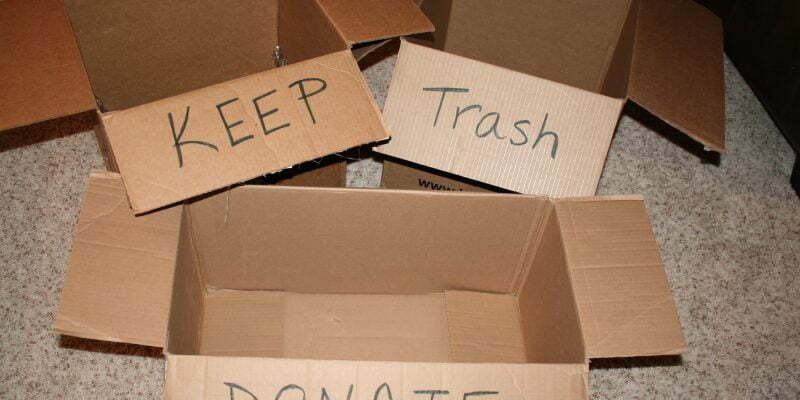
Decluttering is more than just a physical act of removing items from our living spaces; it is a transformative process that can significantly enhance our mental well-being, productivity, and environmental sustainability. This section explores these crucial aspects of decluttering, highlighting its benefits that go beyond mere aesthetics.
Psychological Benefits of Decluttering
The relationship between our environment and mental health is profound. A cluttered space can often lead to feelings of anxiety and stress, while a tidy environment promotes a sense of calm and control. Studies suggest that decluttering can reduce symptoms of anxiety and depression.
- Improved Focus: A clean, organized space allows for better concentration, leading to enhanced cognitive performance and creativity.
- Enhanced Mood: The act of decluttering can release dopamine, a neurotransmitter associated with feelings of pleasure, making individuals feel accomplished and motivated.
- Stress Relief: By removing unnecessary items, the mind can experience a sense of relief, reducing feelings of overwhelm and promoting relaxation.
Impact on Living Spaces and Productivity
Clutter can significantly impede daily functioning and diminish overall productivity levels. In contrast, an organized living space promotes efficiency and encourages a more streamlined approach to tasks.
- Time Management: With fewer distractions, individuals can locate items quickly, saving time and energy.
- Increased Efficiency: A well-organized environment supports better workflow, making it easier to maintain focus on tasks.
- Better Organization: Decluttering fosters a sense of order, allowing individuals to systematically manage their belongings and responsibilities.
Environmental Benefits of Reducing Waste
Decluttering positively impacts the environment through waste reduction and the promotion of sustainable practices. By donating items instead of discarding them, individuals can contribute to a circular economy.
- Reduced Landfill Contributions: Donating or recycling items helps to minimize the amount of waste that ends up in landfills, reducing environmental pollution.
- Resource Conservation: By donating usable goods, valuable resources are conserved, which would otherwise be used to produce new items.
- Community Support: Donations often aid local charities and organizations, fostering community bonds and supporting those in need.
“A tidy space is a tidy mind; each item kept or discarded is a step towards a clearer, more productive life.”
Criteria for Deciding What to Keep
Determining the items to keep can be a daunting task, especially when faced with the emotional attachment to certain possessions. It is essential to have a structured approach that considers both practical utility and sentimental value. By employing a clear checklist and understanding key factors, individuals can make informed decisions during the decluttering process.One effective method for evaluating items is to ask oneself a series of thoughtful questions.
These questions can help clarify the importance and usefulness of possessions in daily life.
Checklist for Evaluating Items
To assist in the decision-making process, consider the following checklist that prompts reflection on the value of an item:
- Does this item serve a specific purpose in my daily routine?
- Have I used this item in the past year?
- Is this item in good condition, and would it be easy to repair if broken?
- Does this item bring me joy or have a significant emotional connection?
- Can I easily replace this item if needed, and would it be worth the expense?
- Is this item taking up valuable space that could be utilized for more meaningful items?
Each question addresses a key aspect of an item’s role in one’s life and encourages a thoughtful evaluation.Assessing the practicality of an item compared to its sentimental value is crucial. While sentimental items often hold emotional significance, it is important to consider their actual utility in everyday living.
Assessing Sentimental Value Versus Practical Utility
When evaluating the balance between sentimental value and practical utility, several methods can be employed:
- Identify items with a strong emotional connection but limited practical use. Consider if a photograph or a letter can be preserved digitally, allowing you to maintain the memory without keeping the physical item.
- Reflect on the memories associated with an item. If the memories can be cherished without the physical object, it may be time to let go.
- Establish a memory box. Select a limited number of items that hold significant sentimental value and store them in a designated space, thereby reducing clutter while preserving memories.
- Consider the frequency of use. Items that are seldom used but hold sentimental value might warrant a deeper discussion on whether they should be kept.
By applying these criteria, individuals can navigate the decluttering process with clarity and confidence, ultimately leading to a more organized and meaningful environment.
Strategies for Disposing of Unwanted Items
When it comes to decluttering, knowing how to properly dispose of unwanted items is essential. Whether you are looking to recycle, throw away, or donate, each method serves a specific purpose and contributes to a more sustainable environment. This section explores various strategies for effectively managing unwanted belongings while ensuring responsible disposal practices.
Methods for Trash Disposal
It is important to understand the various methods available for disposing of unwanted items. These options can significantly impact the environment and community. Below is an organized list of methods for trash disposal:
- Regular Trash: Items that cannot be donated or recycled are typically eligible for standard trash disposal. Ensure that these items are securely packed to prevent spillage or littering.
- Recycling: Many items can be recycled rather than sent to landfills. Common recyclable materials include paper, plastics, glass, and metals. Familiarize yourself with your local recycling guidelines to maximize efficiency.
- Hazardous Waste: Certain items such as batteries, chemicals, and electronic devices can be harmful to the environment. These should be disposed of at designated hazardous waste facilities, which often have special collection days.
The choice of disposal method impacts both your local environment and community health. Always prioritize recycling and safe disposal methods where applicable.
Safe Disposal of Electronics and Hazardous Materials
Disposing of electronics and hazardous materials requires careful consideration to prevent potential harm to the environment. Here is a step-by-step guide to safely disposing of these items:
- Identify Items: Determine which electronics (e.g., old phones, computers, and televisions) and hazardous materials (e.g., paint, batteries) you need to dispose of.
- Research Local Regulations: Check local laws and guidelines regarding electronic waste and hazardous materials to understand your responsibilities.
- Locate Collection Points: Find certified e-waste collection centers or hazardous waste disposal sites in your area. Many municipalities offer regular collection events for these materials.
- Prepare Items for Disposal: For electronics, remove all personal data by performing a factory reset, if applicable. For hazardous materials, ensure items are properly sealed to avoid leaks during transport.
- Transport Safely: Use appropriate containers for hazardous materials and handle electronics with care to avoid damage.
Following these steps helps to ensure responsible disposal of electronics and hazardous materials, reducing the risk of environmental contamination.
Importance of Data Protection
When discarding old electronic devices, protecting personal data is paramount. It is essential to prevent unauthorized access to sensitive information. The following strategies can help secure your data before disposal:
- Data Backup: Always back up your important files to a secure location before initiating device disposal.
- Factory Reset: Perform a factory reset on smartphones, tablets, and computers to erase all personal data. This process restores the device to its original settings.
- Data Wiping Software: Consider using specialized data wiping software that complies with industry standards for permanent data deletion.
- Physical Destruction: For highly sensitive devices, physically destroying the hard drive can be an effective method of data protection. This can involve shredding or degaussing the hard drive to render it unreadable.
By prioritizing data protection when discarding electronic devices, individuals can safeguard their personal information from potential misuse or identity theft.
The Donation Process Explained
:max_bytes(150000):strip_icc()/86530533-56a4e8393df78cf772854385.jpg "Ten Items to Pick Up Trash and Keep Litter Off Your Lot")
Donating items can be a rewarding experience, not only for decluttering your space but also for positively impacting the community. Understanding the donation process helps ensure that your contributions are valuable and appreciated. This section will guide you through reputable organizations for donation, preparation steps for your items, and how to align your donations with the needs of local charities.
Reputable Charities and Organizations for Donating Various Items
Selecting the right charity can enhance the impact of your donations. Here is a list of reputable organizations that accept various items:
- Goodwill Industries: Accepts clothing, household items, and electronics, promoting job training and employment services.
- Salvation Army: Collects clothing, furniture, and appliances to support social services and rehabilitation programs.
- Habitat for Humanity ReStores: Welcomes building materials and home goods to support affordable housing initiatives.
- Local shelters: Many shelters accept clothing, personal care items, and household goods to assist those in need.
- Food banks: While primarily focused on food, some food banks also welcome household items and personal care products.
Preparing Items for Donation
Before donating, it is essential to prepare your items to ensure they are suitable for others. The following steps will help you get your donations ready:
- Cleaning: Thoroughly clean all items, including washing clothes, wiping surfaces, and ensuring that appliances are in good working order.
- Repairs: Check for any damages or wear and tear. Repair or mend items where feasible, as this demonstrates respect for the recipients.
- Packaging: Properly package items to protect them during transport. Use boxes or bags that are sturdy and free from damage.
Evaluating the Needs of Local Charities
Understanding the specific needs of local charities is crucial for ensuring your donations have the greatest impact. Consider the following factors when evaluating needs:
- Research local charities: Visit their websites or contact them directly to understand what items are most needed.
- Seasonal needs: Consider seasonal variations; for example, winter clothing may be needed more during colder months.
- Community demographics: Pay attention to the demographics of the community served by the charity, as this can guide you on what items may be most beneficial.
- Special campaigns: Many charities run specific campaigns for items like school supplies, winter coats, or holiday gifts. These campaigns can provide a clear focus for your donations.
By aligning your donations with the specific needs of charities, you maximize the positive impact on those in your community.
Tips for Managing the Emotional Aspects of Decluttering

The process of decluttering can evoke a range of emotions, from nostalgia to anxiety. Understanding and managing these emotional aspects is crucial for a successful decluttering journey. By utilizing specific techniques and support systems, individuals can navigate their feelings, allowing for a smoother transition towards a more organized and purposeful living space.
Techniques for Coping with Emotional Challenges
Acknowledging the emotional challenges that arise during decluttering is essential. Various techniques can help individuals cope effectively. One such technique is to establish a clear purpose for the decluttering process. When individuals connect their decluttering efforts with a meaningful goal, such as creating a serene living environment or making room for new experiences, it can alleviate emotional burdens. Another technique involves practicing mindfulness.
Taking a moment to breathe and reflect on feelings associated with certain items can provide clarity. This practice can help in distinguishing between genuine attachment and unnecessary sentimentality. Additionally, keeping a journal during the decluttering process can aid in processing emotions. Writing down thoughts and feelings about specific belongings can bring awareness to the emotional ties and facilitate decision-making.
The Role of Support Networks
Support networks play a vital role in managing the emotional aspects of decluttering. Engaging friends, family members, or even professional organizers can provide valuable emotional support. These individuals can offer encouragement, share their experiences, and help maintain motivation throughout the process. Establishing a decluttering buddy system can also be beneficial. Partnering with someone who is also decluttering allows for mutual support and accountability.
For instance, sharing progress and discussing challenges can relieve the emotional weight often felt during the process.It is important to communicate feelings and experiences with supportive individuals. This open dialogue can create a safe space for addressing emotional hurdles and receiving constructive feedback.
Strategies for Celebrating Progress
Recognizing and celebrating progress is vital for maintaining motivation and a positive mindset during decluttering. Setting small, achievable goals and acknowledging them can reinforce a sense of accomplishment. One effective strategy is to establish a reward system. For example, after completing a decluttering session, individuals might treat themselves to a favorite activity or indulge in a self-care practice. This creates a positive association with the decluttering process.Additionally, creating visual reminders of progress, such as before-and-after photos or a dedicated space for items being donated, can serve as motivating factors.
Reflecting on the transformation achieved can reignite enthusiasm for continuing the decluttering journey.In summary, managing the emotional aspects of decluttering requires a proactive approach. By implementing coping techniques, utilizing support networks, and celebrating progress, individuals can navigate their decluttering journey with greater ease and emotional resilience.
Creating a Sustainable Decluttering Plan

Establishing a sustainable decluttering plan is essential for maintaining an organized and harmonious living environment. This plan should encompass a timeline for regular decluttering sessions, effective tracking methods for belongings, and strategies for involving family members in the process to ensure collective engagement. By integrating these elements, you can create a manageable approach that supports long-term organization.
Designing a Timeline for Regular Decluttering Sessions
Implementing a timeline for decluttering can significantly enhance your organization efforts. Regularly scheduled sessions help prevent clutter from accumulating again and reinforce the habit of maintaining a neat space. Consider the following strategies for setting up your decluttering schedule:
- Establish a monthly decluttering day dedicated to sorting through specific areas, such as closets or storage rooms.
- Set aside a few minutes each week to evaluate and declutter smaller spaces like desks or kitchen counters.
- Incorporate seasonal decluttering sessions, aligned with changing seasons, to address items that may no longer be needed, such as winter clothing in spring.
Methods for Keeping Track of Items
Tracking items that are kept, trashed, or donated is crucial for effective decluttering. This organization ensures that you are aware of your belongings and can make informed decisions moving forward. Consider using the following methods:
- Maintain a digital inventory using apps or spreadsheets to categorize items, noting their status (kept, trashed, or donated).
- Use labeled boxes or bins during decluttering sessions to separate items visually, making it easier to assess their fate.
- Document the donation process by keeping receipts or records of donated items for tax purposes or personal records.
Involving Family Members in the Decluttering Process
Family involvement in decluttering not only fosters a sense of shared responsibility but also encourages collective decision-making regarding the items in your home. Engaging family members can enhance motivation and lead to more effective outcomes. Strategies to involve everyone include:
- Schedule family decluttering days where everyone participates in sorting through designated areas, making it a fun and collaborative effort.
- Encourage open discussions about the significance of certain items, allowing family members to express sentiments and collaborate on what to keep or donate.
- Utilize a points system to reward participation, where each family member earns points for items they choose to donate, promoting positive reinforcement for decluttering efforts.
Conclusion
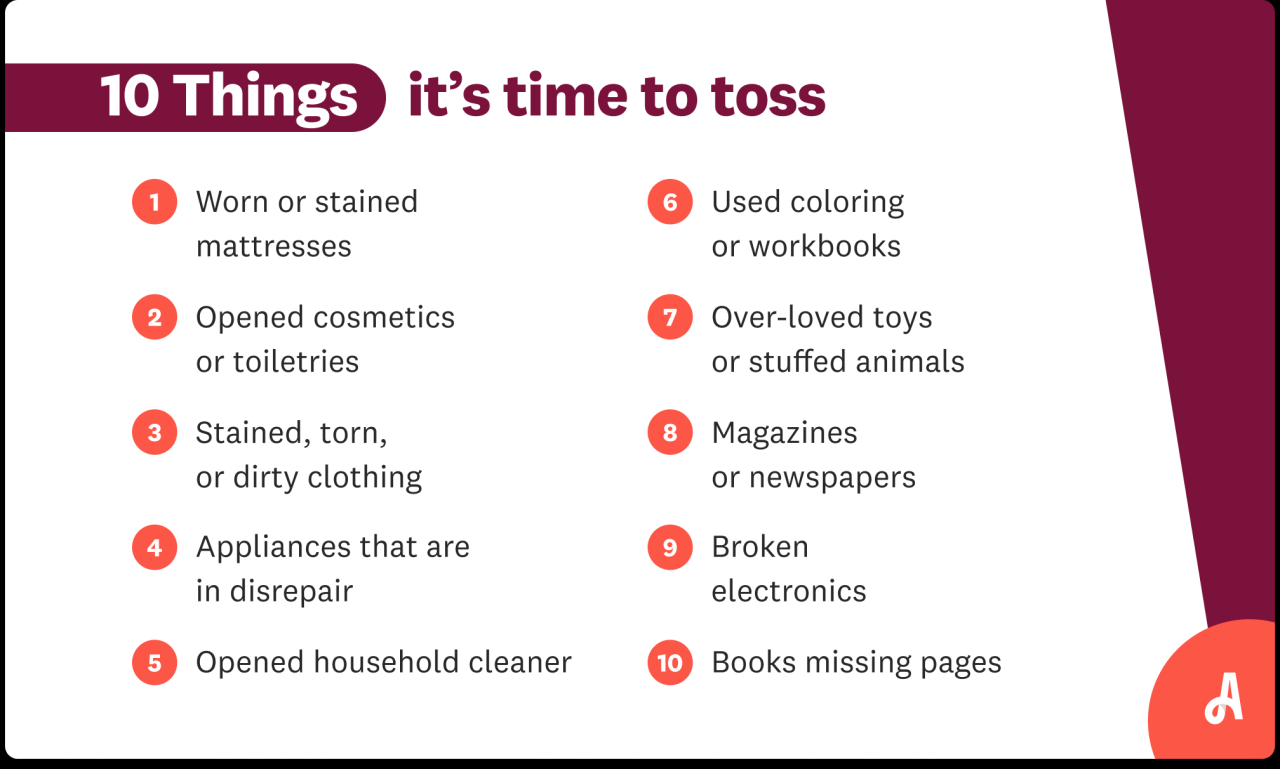
In conclusion, embarking on the journey of decluttering with the insights provided in How to Decide What to Keep, Trash, or Donate can lead to a more organized and fulfilling life. By recognizing the importance of discernment in our possessions, we can improve our mental health, support our communities, and protect the environment. Embracing these practices ensures a sustainable approach to living that resonates with both personal well-being and social responsibility.