How to Declutter Before a Big Move provides invaluable insights into the essential process of preparing for relocation. This endeavor is not merely about packing boxes; it encompasses a transformative journey that can enhance one’s mental clarity and physical space. Embracing decluttering prior to a move can significantly alleviate stress, save time, and create a more organized environment for the transition ahead.
The process involves thoughtful planning and strategic decision-making, enabling individuals to assess their belongings and prioritize what is truly necessary. By categorizing items into keep, donate, sell, or discard, one can embark on a more intentional moving experience that reflects their values and lifestyle.
Importance of Decluttering Before a Move
Decluttering before a move is an essential step that can significantly enhance the overall moving experience. It provides not only a practical advantage by reducing the number of items to be transported but also offers psychological benefits that can alleviate the stresses associated with relocating. By taking the time to declutter, individuals can create a more manageable and harmonious environment both during and after the moving process.The psychological benefits of decluttering prior to moving are profound.
Research indicates that a cluttered environment can lead to increased stress levels and anxiety. By simplifying your space, you may find that your mind also becomes less cluttered, leading to improved focus and a sense of control. According to a study published in the Personality and Social Psychology Bulletin, individuals who reported higher levels of clutter in their homes also reported higher levels of frustration and fatigue.
By contrast, those who engaged in decluttering experienced a significant uplift in their mood and overall well-being.
Time and Stress Reduction through Decluttering
Decluttering not only impacts psychological well-being but also has practical implications for saving time and reducing stress during the moving process. When you take the time to evaluate what to keep or discard, you streamline the packing process, ensuring that only essential items are prepared for the move. This can lead to a more efficient relocation experience.Consider the following statistics that highlight the advantages of decluttering before a move:
- According to a survey by SpareFoot, 50% of people stated that decluttering helped them feel more organized during their move.
- A study from the National Association of Professional Organizers revealed that 82% of individuals who decluttered before moving reported a reduction in stress levels.
- Data from the American Psychological Association shows that individuals who engage in decluttering report a 30% increase in productivity and time management during their moving process.
Decluttering also provides the opportunity to donate or sell items that are no longer needed, contributing positively to community welfare while also lightening your load. This proactive approach not only decreases the volume of items to transport but can also yield financial benefits if items are sold. Engaging in this process can create a sense of accomplishment, promoting a positive mindset as you transition into your new space.
Planning Your Decluttering Process
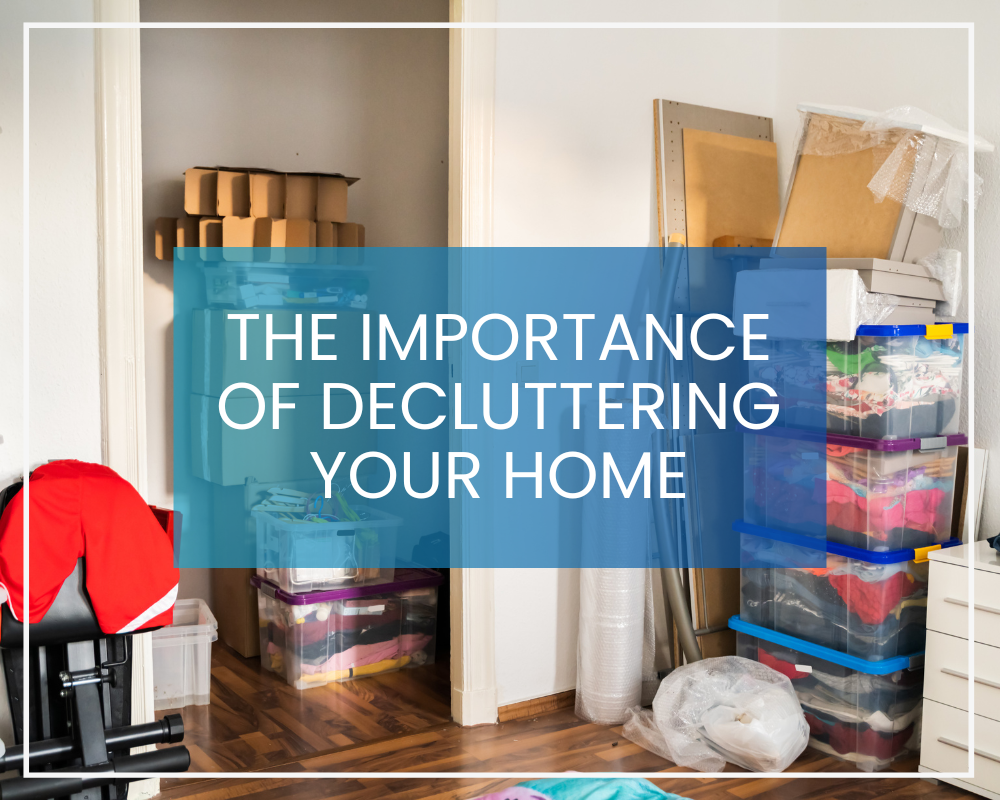
Planning your decluttering process is essential for a smooth transition during a big move. A well-structured timeline and a clear strategy will help you efficiently manage your belongings, ensuring that you are prepared to leave your current home without the clutter that may have accumulated over time. This section Artikels the steps to create a decluttering timeline, prioritizing items, and organizing them into manageable categories.
Creating a Decluttering Timeline
Establishing a timeline for your decluttering process can greatly enhance your efficiency as you prepare for your move. By allocating specific timeframes for each phase, you can systematically approach the task and reduce the likelihood of feeling overwhelmed. Consider the following steps:
- Set a Moving Date: Start by marking your official moving date on the calendar. This will be the anchor date for your timeline.
- Backtrack from the Moving Date: Determine how many weeks or days you have left until your move. Depending on the amount of clutter, aim to begin the decluttering process four to six weeks in advance.
- Divide the Timeline into Phases: Break down the timeline into phases, such as sorting, packing, and cleaning. Assign specific tasks for each week leading up to the move.
- Allocate Time for Each Area: List all rooms and spaces in your home and allocate time to declutter each one. Prioritize areas that tend to accumulate more clutter.
Prioritizing Items for Decluttering
Effective prioritization is critical when it comes to deciding which items to declutter first. By focusing on the most essential items that need your attention, you can streamline your efforts. Consider the following methods for prioritization:
- Use the “One-Year Rule”: If you haven’t used an item in the past year, it’s likely you can let it go.
- Categorize by Frequency of Use: Identify items based on how often you use them—daily, weekly, or rarely. Prioritize items that are used frequently to keep your essentials.
- Assess Emotional Attachment: Items with strong emotional connections may be harder to part with. Consider which items truly bring value to your life versus those that are held onto out of guilt.
- Evaluate Condition: Check for items that are damaged or no longer functional. These should be at the top of your decluttering list as they serve no practical purpose.
Organizing Items into Categories
To facilitate a smoother decluttering process, it is important to organize items into distinct categories. This will help you make clear decisions about what to keep, donate, sell, or discard. The following checklist can serve as a guideline:
Items are best handled by categorizing them into four main groups: keep, donate, sell, and discard.
- Keep: Essential items that you use regularly and plan to take with you to your new home.
- Donate: Items in good condition that you no longer need but can be beneficial to others. Consider local charities or organizations that accept donations.
- Sell: Valuable items that you can sell through online platforms or garage sales. This can help you earn some extra cash while decluttering.
- Discard: Items that are broken, damaged, or no longer usable. Ensure these are disposed of responsibly, recycling where possible.
Strategies for Efficient Decluttering
Efficient decluttering is essential for a smooth transition during a move. By implementing structured strategies, you can streamline the process of sorting through your belongings and make informed decisions about what to keep, donate, or discard. Below are several effective techniques that can help you tackle decluttering before your move.
Decluttering Techniques
Various methods can facilitate the decluttering process, each with its own approach and philosophy. Understanding these techniques can empower you to choose the one that suits your needs best.
- Marie Kondo Method: This popular method emphasizes keeping only those items that “spark joy.” Begin by gathering all items from a specific category, such as clothing or books, and then evaluate each item. If it does not evoke joy, it is advisable to let it go.
- Four-Box Method: This technique involves using four boxes labeled “Keep,” “Donate,” “Sell,” and “Trash.” As you go through your belongings, categorize each item into one of these boxes. This visual approach can help clarify decisions and reduce overwhelm.
- Minimalist Approach: Adopting a minimalist mindset encourages you to assess the necessity of each item. Consider whether you truly need each object or if it merely occupies space. This approach fosters a sense of freedom from material possessions.
Application of the One-Year Rule
The ‘one-year rule’ serves as a practical guideline for deciding which items to keep or discard. This rule suggests evaluating whether you have used an item within the past year. If not, it may be time to consider parting with it. To effectively apply the one-year rule, consider the following steps:
- Start by identifying items that you have not used in the last twelve months.
- Evaluate the purpose of each item. If it has not served a functional role or contributed to your well-being, it may not warrant keeping.
- Remember, seasonal items or those with specific once-a-year use should be accounted for, as they may not fit the criteria of regular use.
“If you haven’t used it in a year, it’s time to let it go.”
Managing Sentimental Items
Sentimental items can pose a challenge during the decluttering process. These objects often carry emotional weight, making it difficult to part with them. Establishing a system for managing such items is crucial.To effectively handle sentimental belongings, consider the following strategies:
- Choose a designated space for sentimental items, ensuring it is limited to avoid clutter.
- Consider creating a memory box where you can keep a select few cherished items while letting go of the rest. This approach allows you to maintain memories without retaining excessive physical objects.
- Document the story behind each sentimental item if you decide to part with it. Taking a photograph or writing down its significance can help preserve the memory while freeing up physical space.
Digital Decluttering
:max_bytes(150000):strip_icc()/SPR-decluttering-checklist-7564554-hero-41ca01ba6e5544ceb329d6ab5ff86883.jpg "Declutter Checklist Printable - Printable Word Searches")
In today’s digital age, organizing your digital files and emails is as crucial as physical decluttering, especially before a big move. A streamlined digital environment not only enhances efficiency but also reduces the anxiety often associated with relocation. It is essential to take the time to manage these virtual spaces, ensuring a smoother transition into your new home.Effective digital decluttering involves several key methods for organizing files, emails, and other digital assets.
The first step in this process is to categorize and prioritize your digital materials. It is advisable to create a folder structure that reflects your current needs and future organization preferences.
Methods for Organizing Digital Files and Emails
Establishing a clear system for your digital files and emails significantly improves accessibility and management. The following strategies can assist in achieving effective organization:
- Use Cloud Storage Solutions: Services such as Google Drive, Dropbox, or OneDrive allow for easy access to files from any device and facilitate sharing with others. This redundancy also serves as a backup for important documents.
- Utilize Email Filters and Folders: Most email platforms offer filtering options that help sort incoming emails automatically into designated folders, thereby reducing inbox clutter.
- Delete Unnecessary Files: Regularly review and remove outdated or irrelevant documents and emails. This practice not only saves storage space but also enhances productivity.
- Implement Naming Conventions: Develop a consistent naming system for files that includes dates or categories, making it easier to locate specific documents later.
Importance of Backing Up Data and Responsible Disposal of Old Devices
With the risk of data loss during a move, backing up important information is crucial. Reliable backup systems ensure that all essential documents and memories are preserved and can be easily retrieved even if something goes awry during the transition. The responsible disposal of old devices is equally important, as it helps mitigate potential data breaches. Devices that are no longer in use should be wiped clean of personal information before recycling or donating.
Apps and Tools for Digital Decluttering
Several applications and tools are available that can simplify the digital decluttering process. These tools not only enhance organization but also offer additional functionalities that can be invaluable during a move.
- Evernote: This powerful note-taking app allows users to organize notes, documents, and images in one place, making it easy to manage information before and after a move.
- CCleaner: This utility can assist in cleaning up unnecessary files and optimizing your computer’s performance while removing temporary files and browser history.
- Unroll.me: This app helps manage email subscriptions by allowing users to easily unsubscribe from unwanted newsletters and promotional emails.
- FileOptimizer: A tool that compresses files without losing quality, making it easier to store and share digital information.
Handling Large Items and Furniture

When preparing for a significant move, managing large items and furniture can be one of the most challenging aspects. Deciding whether to transport these bulky items or to sell or donate them requires careful consideration. Evaluating their practicality and emotional value can help streamline the decision-making process, ensuring a more efficient move.In assessing whether to keep or part with large furniture, it is vital to consider factors such as the functionality of the item in your new home, its condition, and the cost associated with moving it.
If an item holds significant sentimental value but is not functional in your new space, it may be worthwhile to take a photograph of it for memory before letting it go. Additionally, the cost of moving large items, including potential damage during transit, should also be factored into your decision.
Measuring and Comparing Furniture Dimensions
Accurate measurements of both your current furniture and the spaces in your new home are essential for determining what can be effectively moved. This process helps to avoid potential frustrations on moving day. Begin by measuring the dimensions of each large item, including height, width, and depth. After acquiring these measurements, proceed to measure the respective spaces in your new home, particularly the rooms where the furniture will be placed.
Consider doorways, staircases, and hallways as well, since these can significantly affect the ability to fit larger pieces through the entrances. Keeping a detailed list of these measurements is crucial for reference during the moving process.
Logistics of Moving Bulky Items
The logistics involved in moving large items require careful planning to ensure a smooth transition. Depending on the number and size of the items you need to move, consider the following logistics:
Hiring Professional Movers
Engaging a moving company can simplify the process of transporting large items, as professionals have the expertise and equipment necessary to handle bulky furniture safely. Research local movers and obtain quotes to find the best fit for your budget and needs.
Renting Equipment
For those opting for a DIY approach, renting dollies, moving blankets, and straps can make moving large items more manageable. Ensure that you are familiar with how to use this equipment to prevent injuries or damage.
Timing and Coordination
Schedule moving times when you have ample help available. Organizing friends or family to assist on moving day can provide additional hands to lift and maneuver large items effectively.When investing time in planning the logistics of moving large items, it is crucial to factor in the time it will take to load and unload, as well as any additional trips required, especially for items that may not fit in one load.
By preparing thoroughly, you can ensure that the moving of bulky items is as efficient and stress-free as possible.
Eco-Friendly Decluttering Options
In today’s environmentally conscious society, adopting eco-friendly decluttering methods is essential, especially during a big move. This approach not only minimizes waste but also promotes sustainability, helping to preserve our planet for future generations. By utilizing eco-friendly options, you can ensure that unwanted items are disposed of responsibly while benefiting your local community.When it comes to decluttering, there are various eco-friendly methods for disposing of unwanted items.
Recycling and upcycling are among the most effective strategies, allowing you to transform items into something new rather than contributing to landfill waste. Recycling ensures that materials like paper, glass, and certain plastics are reused in the manufacturing process, which conserves natural resources and reduces pollution. Upcycling, on the other hand, involves creatively repurposing old items into functional or decorative pieces, which not only reduces waste but also encourages creativity.
Donation to Local Charities
Donating to local charities is a significant way to positively impact your community while decluttering. By giving items that are still in good condition, you provide resources for those in need and help support local organizations that rely on donations to fulfill their missions. The benefits of donating extend beyond just helping individuals; it strengthens community ties and promotes social responsibility.Many organizations are available to accept various types of donations during a move.
Understanding which items can be donated and where to take them is crucial. Here is a list of some organizations known for accepting specific types of donations:
- Goodwill: Accepts clothing, household items, and electronics for resale, with proceeds supporting job training programs.
- Habitat for Humanity ReStores: Accepts furniture, appliances, and building materials, with sales funding housing projects.
- Salvation Army: Accepts clothing, furniture, and household goods, providing assistance and services to those in need.
- Local animal shelters: Often take pet supplies, blankets, and towels to support the care of animals in need.
- Libraries: May accept books, DVDs, and games to resell or add to their collections.
Through these donations, you not only declutter effectively but also play a vital role in enriching the local community, fostering a sense of unity and support.
Maintaining Clutter-Free Habits After the Move

Establishing a clutter-free environment after relocating is essential for creating a peaceful and organized home. The transition to a new space presents an opportunity to implement effective strategies that promote long-term organization and prevent clutter accumulation. By adopting certain habits and routines, you can ensure that your new home remains an oasis of calm amidst the busyness of daily life.Developing a sustainable routine for managing your belongings is pivotal in maintaining an organized space.
This involves setting aside time for regular evaluations of items in your home and creating designated places for every belonging. Consistent practices can help you stay on top of clutter before it has a chance to build up.
Strategies for Keeping the New Home Organized
In order to foster a clutter-free environment in your new home, it is crucial to adopt specific strategies that encourage organization and efficiency. Below are important points to consider:
- Create a Daily Cleaning Schedule: Allocating time each day for tidying up can keep spaces orderly and reduce the likelihood of clutter accumulating. This could be as simple as making your bed each morning or wiping down surfaces in the evening.
- Designate a “One In, One Out” Rule: Every time you bring a new item into your home, consider removing an old item. This principle helps maintain the balance of belongings and prevents unnecessary accumulation.
- Utilize Storage Solutions: Invest in storage options that fit your lifestyle, such as baskets, bins, and drawer organizers. Proper storage not only keeps items hidden away but also makes it easier to locate things when needed.
- Implement a Weekly Declutter Session: Setting aside time each week to go through various areas of your home can help you stay organized. Focus on one room or area at a time to make the task manageable.
- Involve Household Members: Encourage everyone in your home to participate in maintaining organization. Assigning specific roles or responsibilities can foster accountability and teamwork towards a clutter-free environment.
Establishing Routines for Managing New Belongings
The habits you cultivate in the aftermath of a move play a significant role in how your space is maintained. Establishing routines ensures that you have a clear system for managing your belongings. One effective approach is to develop a “home for every item” philosophy. This means that each belonging should have a specific place designated for it, making it easier to return items to their rightful spots after use.
Furthermore, regularly assessing the necessity of items helps to keep only those that serve a purpose or bring joy.
Avoiding Future Clutter Accumulation
Preventing clutter accumulation in the future requires mindful decision-making when it comes to acquiring new items. Here are some strategies to consider:
- Practice Mindful Purchasing: Before making a purchase, consider whether the item is truly needed, how it will be used, and where it will be stored. This thoughtful approach can help in avoiding impulse buys that may lead to clutter.
- Limit Gifts and Freebies: Politely communicate preferences to friends and family regarding gifts. Encourage them to opt for experiences or consumables instead of physical items that may clutter your space.
- Regularly Evaluate Your Belongings: Twice a year, conduct a thorough review of your items. This helps to identify unnecessary belongings and allows for timely decluttering.
- Embrace Minimalism: Adopting a minimalist mindset can greatly influence your buying habits and lifestyle choices. Focus on quality rather than quantity to enrich your home without overcrowding it.
“Maintaining an organized space is not solely about the physical act of decluttering; it is about creating a lifestyle that values simplicity and intentionality.”
Final Wrap-Up
In conclusion, mastering how to declutter before a big move leads to not only a successful relocation but also a more fulfilling and organized life post-move. By adopting effective decluttering strategies and maintaining clutter-free habits, individuals can enjoy their new home to the fullest. The benefits extend beyond the move itself, fostering a continued commitment to simplicity and mindfulness in one’s living space.