How to Declutter Gifts You Don’t Like Politely invites readers to explore the nuanced world of gift-giving and receiving, highlighting the emotional complexities that accompany unwanted presents. Gifts, while often shared with the best of intentions, can sometimes lead to feelings of guilt and obligation when they do not resonate with the recipient’s preferences. This guide aims to help individuals navigate these sensitive situations with grace, allowing for a respectful approach to handling gifts that may not fit their needs.
By understanding the emotional impact of gifts, assessing their value, and communicating preferences effectively, readers can cultivate a more mindful gift-giving culture that enhances relationships and personal satisfaction. The discussion will encompass practical strategies for politely decluttering unwanted gifts while maintaining the intentions behind them and ensuring future gift-giving occasions are more aligned with individual tastes.
Understanding the Emotional Impact of Gifts

Gifts often carry deep emotional significance, acting as tangible symbols of affection, appreciation, and thoughtfulness. They can strengthen relationships and convey messages that words sometimes cannot express. However, the emotional weight of gifts can lead to complex feelings, especially when the recipient does not resonate with the gift’s intention or content. Understanding this emotional dynamic can help individuals navigate their feelings about unwanted presents with grace and consideration.The emotional connection tied to gift-giving is profound, as it reflects the giver’s sentiments and expectations.
When a gift is received, it can evoke joy, surprise, or even disappointment, depending on its relevance to the recipient. This emotional interplay often leads to an unwelcome sense of guilt when one receives a gift that does not align with their tastes or needs. Such feelings can strain relationships, as individuals may experience anxiety about offending the giver or not expressing appropriate gratitude.
To mitigate these feelings and maintain a healthy perspective, it is important to process emotions surrounding unwanted gifts effectively.
Processing Feelings About Unwanted Gifts
Acknowledging and processing feelings toward unwanted gifts is essential in maintaining positive relationships and personal well-being. Below are strategies to assist individuals in navigating these complex emotions:
-
Recognize the giver’s intentions.
Understanding that a gift is often a reflection of the giver’s affection can help frame the situation positively, reducing feelings of guilt and disappointment.
-
Allow yourself to feel your emotions.
It’s natural to experience disappointment or frustration; acknowledging these feelings is the first step toward managing them constructively.
-
Practice gratitude.
Focusing on the intention behind the gift rather than the gift itself can foster a more appreciative mindset.
-
Communicate openly.
If appropriate, express feelings about the gift gently, highlighting what you appreciate about the gesture while discussing your preferences.
-
Consider the possibility of repurposing the gift.
Finding a new use for an unwanted gift can transform it into something valuable, alleviating guilt and maintaining the relationship.
-
Reflect on your own desires and boundaries.
Understanding personal preferences can empower you to communicate more effectively in future gift exchanges.
Assessing the Value of Unwanted Gifts
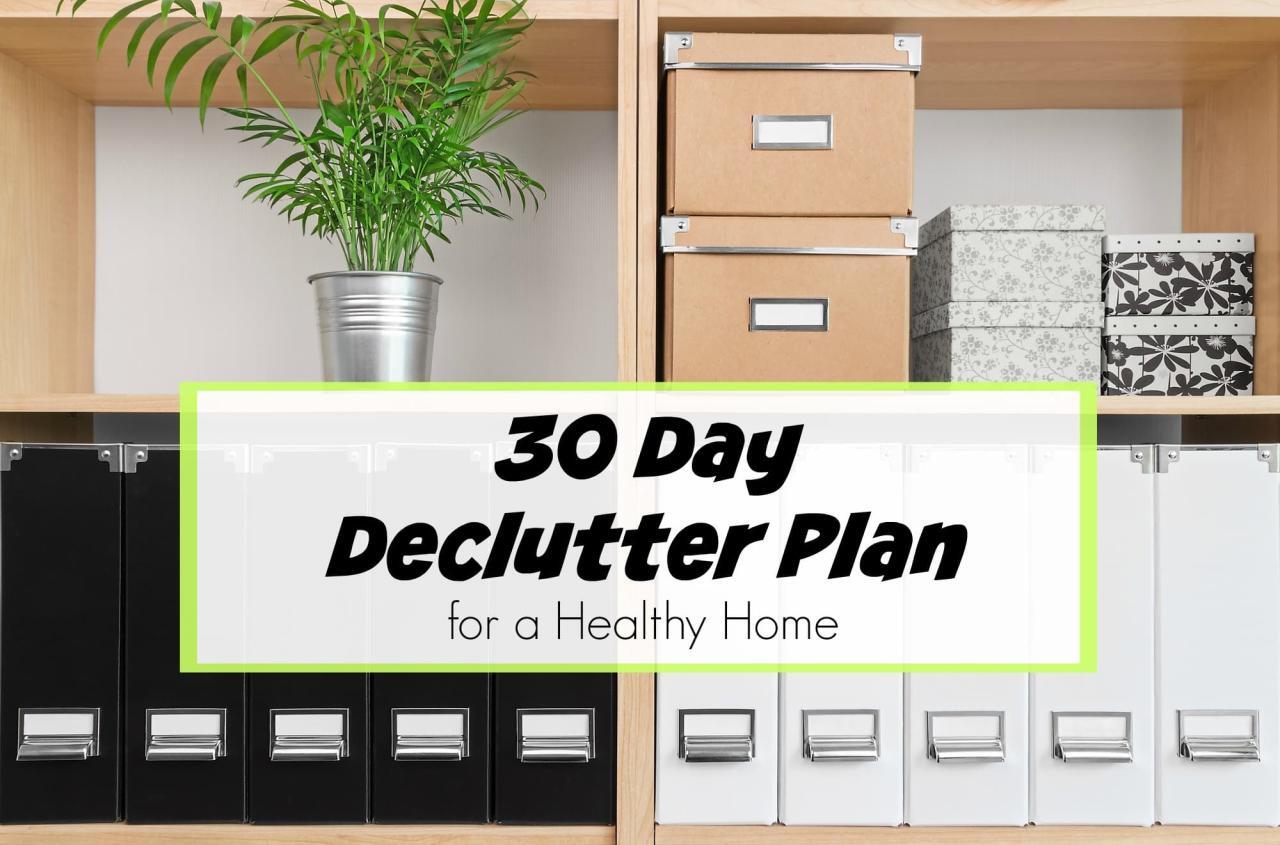
When faced with unwanted gifts, understanding their value can help ease the decision-making process regarding what to keep, donate, or discard. Evaluating gifts requires a careful consideration of both their sentimental and practical value, which can heavily influence one’s emotions and attachment to the items. By systematically assessing these values, individuals can make informed choices that align with their personal values and living spaces.To assist in this evaluation, one must consider key criteria that separate the sentimental aspects from practical utility.
The following methods can be employed to assess whether to keep, donate, or discard gifts effectively:
Criteria for Assessing Sentimental and Practical Value
Identifying the criteria for sentimental and practical value is essential in determining the fate of unwanted gifts. The criteria can include the following:
- Emotional Attachment: Reflect on the memories associated with the gift and the relationship with the giver. A gift from a loved one may hold more sentimental value than one from a distant acquaintance.
- Frequency of Use: Consider whether the item has practical uses in your daily life. An item used regularly may warrant keeping it, while those left untouched for years may be reconsidered.
- Condition and Quality: Assess whether the gift is in good condition. A well-maintained item may still be useful, while damaged or broken items may need to be discarded.
- Potential for Repurposing: Evaluate if the item can be transformed into something useful or decorative. Creative repurposing may allow you to appreciate a gift in a new light.
- Gift’s Purpose: Reflect on whether the gift serves a specific purpose in your life or if it holds intrinsic value simply as a token of someone’s kindness.
Understanding these criteria helps to create a framework for making decisions about unwanted gifts.
Methods for Evaluating Gifts
Utilizing a systematic approach to evaluate gifts can significantly streamline the decluttering process. Below are some effective methods:
- Three-Box Method: Label three boxes as “Keep,” “Donate,” and “Discard.” As you assess each gift, place it in one of the boxes according to your evaluation. This method allows for clear categorization and facilitates the decision-making process.
- Sentimental Journal: Keep a journal where you can write about the memories associated with each gift. This exercise can help clarify emotional attachments, making it easier to determine their significance.
- Time Capsule Approach: Consider storing gifts in a time capsule for a predetermined period. After this time, revisit the items to see if you still feel the same attachment, which can aid in making final decisions.
These methods encourage a structured approach to decluttering, making the process less overwhelming and more manageable.
Appreciating Gifts for Their Intent
It is essential to appreciate the intention behind a gift rather than solely focusing on its utility. Recognizing that a gift represents someone’s thoughtfulness can foster a more positive outlook towards unwanted items. For example, a handmade item may not fit your aesthetic preferences but can still be cherished as a symbol of the giver’s effort and affection.
“The true value of a gift lies not in its utility, but in the kindness and consideration that it represents.”
In practice, consider displaying a sentimental gift, such as a photo frame or a piece of art, even if it doesn’t match your decor, as a token of appreciation for the relationship with the giver. This can create a bridge between valuing the intent of the gift and managing the physical space it occupies.By evaluating both the sentimental and practical value of unwanted gifts, individuals can make decisions that honor their spaces and relationships, ultimately leading to a more organized and meaningful living environment.
Politely Decluttering Gifts

In the delicate art of managing unwanted gifts, the focus is on maintaining relationships while ensuring personal preferences are honored. It is indeed possible to express gratitude for the thoughtfulness behind a gift, even when it does not align with one’s tastes or needs. This section provides practical phrases and strategies to navigate these situations respectfully.Engaging in conversations with gift givers about unwanted gifts requires finesse and empathy.
It is essential to communicate gratitude while gently indicating the gift is not a perfect match. This approach fosters understanding and helps preserve the relationship.
Polite Phrases for Expressing Gratitude
When addressing a gift that may not be suitable, the following phrases serve as effective ways to express appreciation while subtly indicating a misalignment with personal preferences. These phrases help to convey a thoughtful response without diminishing the giver’s sentiment.
- “Thank you so much for thinking of me; your gift was a lovely surprise.”
- “I truly appreciate your kindness; this is such a thoughtful gesture.”
- “Your gift was very generous, and it means a lot to me.”
- “I can see the thought you put into this; it really touched me.”
- “While this isn’t exactly my style, I appreciate the thought behind it.”
- “Thank you for your gift! I can see how much you care.”
Engaging Gift Givers Respectfully
Having a respectful conversation about an unwanted gift can be achieved through careful wording and timing. It is important to choose an appropriate moment and setting for this discussion. Here are some guidelines to facilitate such conversations:
1. Begin with Gratitude
Start the conversation by expressing thanks for the gift and acknowledging the giver’s effort.
2. Share Your Feelings
Kindly express your thoughts on the gift. Use phrases that focus on your preferences rather than the gift itself, such as “I tend to prefer different styles” or “This isn’t quite my taste.”
3. Suggest Alternatives
If appropriate, recommend alternatives that may align better with your preferences, which could also guide future gift-giving.
4. Encourage Dialogue
Invite the giver to share their thoughts or suggestions; this fosters a collaborative atmosphere and reduces tension.
5. Reassure the Giver
Emphasize that your appreciation for their thoughtfulness remains intact, regardless of the gift’s suitability.
Step-by-Step Guide for Returning or Exchanging Gifts
When it becomes necessary to return or exchange a gift, approaching the situation with care is crucial. The following step-by-step guide Artikels a respectful process to manage this without hurting feelings.
1. Assess the Situation
Identify whether the gift can be exchanged or returned based on the store’s policy and the relationship with the giver.
2. Prepare for the Conversation
Plan a suitable time to discuss the return or exchange, ensuring it fits within the context of your relationship.
3. Express Gratitude
As previously mentioned, begin by thanking the giver for their thoughtfulness before addressing the return or exchange.
4. Explain the Return/Exchange
Clearly communicate that you would like to return or exchange the gift. Use gentle language, such as “I hope you understand” or “I wanted to mention that I found something more suited to my needs.”
5. Offer to Share the Process
If the return involves them, offer to take care of it yourself, relieving any potential burden on them.
6. Remain Positive and Gracious
Throughout the conversation, maintain an appreciative attitude, reinforcing that the relationship is the priority over the material gift.
7. Follow Up
After the exchange or return, follow up with a message or call to reiterate your appreciation, ensuring the giver feels valued despite the circumstances.
Alternatives to Discarding Unwanted Gifts

When faced with gifts that do not resonate personally, it can be challenging to navigate the emotional implications while remaining considerate to the giver. However, there are numerous alternatives to simply discarding these items. By exploring creative options, one can ensure that unwanted gifts are utilized in a manner that respects the initial sentiment behind them and potentially benefits others in the process.
This section will present various alternatives such as repurposing, re-gifting, and donating, each of which offers a thoughtful way to handle gifts that may not fit your preferences.
Repurposing and Re-Gifting Items
Repurposing unwanted gifts can breathe new life into items that may otherwise go unused. This approach not only respects the original intent of the gift but also allows for creative expression. For example, an unwanted vase can be transformed into a decorative planter, or a cozy sweater can be converted into a unique pillow cover. Such transformations not only serve to declutter but also contribute to sustainable practices by extending the life cycle of the item.
Re-gifting, when done considerately, is another viable option. This involves giving the unwanted gift to someone who may appreciate it more. Care should be taken to ensure that the recipient is unaware of the item’s original giver, to avoid any potential embarrassment. Consider the following guidelines for successful re-gifting:
- Choose recipients who have similar tastes and interests.
- Ensure the item is in excellent condition and includes any original packaging.
- Be mindful of timing, choosing appropriate occasions for giving.
Donating Gifts to Charities or Individuals
Donating unwanted gifts is a generous way to ensure that they are appreciated and utilized. Many organizations accept a wide range of items, from clothing to home goods, providing them to individuals in need. This not only helps those less fortunate but also contributes to a more sustainable environment by reducing waste. When considering donations, it is essential to ensure that the items are in good condition and suitable for the recipients.
Local shelters, food banks, and nonprofit organizations frequently welcome donations, and some even offer pickup services for larger items.
For individuals looking to donate, the following charities are often in need of various goods:
- Local homeless shelters
- Women’s shelters
- Thrift stores that fund community services
Comparison of Alternatives
Understanding the benefits of different alternatives can assist individuals in making informed decisions regarding their unwanted gifts. The table below summarizes the pros and cons of selling, donating, and repurposing items:
| Alternative | Benefits | Considerations |
|---|---|---|
| Selling | Monetary return; clears clutter | Time-consuming; may require online platforms |
| Donating | Helps those in need; supports community | May not provide personal gain; limited by local demand |
| Repurposing | Creative outlet; sustainable | Requires time and creativity; not suitable for all items |
Setting Boundaries with Gift Giving
Effective communication regarding gift preferences is essential in fostering healthy relationships with friends and family. Many individuals find it difficult to express their feelings about unwanted gifts, leading to confusion and unnecessary emotional burden. By openly discussing gift preferences, relationships can become more harmonious, and gift-giving occasions can be tailored to better meet everyone’s expectations and desires.
Communicating Gift Preferences
Communicating your gift preferences to loved ones helps establish a clear understanding of what you value. This not only alleviates the pressure on the giver but also makes the experience more enjoyable for both parties. Sharing your likes and dislikes concerning gifts encourages thoughtful selections. Consider creating a gift wish list that can be shared with friends and family. A well-structured wish list can help ensure that the gifts received align with your tastes.
Here is a simple template for a gift wish list that can be tailored to your preferences:
“A gift should reflect the recipient’s personality and interests, enhancing the joy of giving.”
- Occasions: Specify occasions for which you would like gifts, such as birthdays, holidays, or anniversaries.
- Categories: List categories of gifts you prefer, such as books, experiences, or home décor.
- Specific Items: Include specific items that you would appreciate, along with links or descriptions for clarity.
- Personal Interests: Mention your hobbies or interests to guide your loved ones in choosing suitable gifts.
- No Gifts Option: Communicate if you prefer no gifts on certain occasions, emphasizing the desire for connection over material possessions.
Establishing Expectations Around Gift Giving Occasions
Setting expectations around gift giving occasions plays a significant role in creating a positive experience for everyone involved. Discussing the frequency and type of gifts allowed can prevent misunderstandings and foster a more thoughtful approach to giving. Consider initiating a discussion with your loved ones about the following points:
- Frequency of Gift Giving: Set clear guidelines on how often gifts should be given, such as once a year during holidays or birthdays only.
- Gift Limitations: Agree on spending limits to avoid pressure on givers while ensuring gifts remain meaningful.
- Experiential Gifts: Encourage gifts in the form of experiences, such as outings or classes, which often create lasting memories rather than accumulating physical items.
- Group Gifting: Explore the idea of group gifting for larger occasions, allowing multiple individuals to contribute to a single, more significant gift.
- Cultural Sensitivity: Discuss any cultural traditions regarding gift giving that may influence expectations, ensuring everyone is comfortable and on the same page.
By proactively addressing gift preferences and establishing expectations, individuals can navigate the complexities of gift giving with greater ease and enjoyment, fostering deeper connections with loved ones.
Cultivating a Mindful Gift-Giving Culture
Gift-giving is a cherished tradition that can foster connections and express appreciation. However, it is essential to approach this practice mindfully, ensuring that gifts convey thoughtfulness and meaning. Cultivating a mindful gift-giving culture benefits both the giver and the recipient, creating lasting memories and reinforcing relationships.Mindful gifting emphasizes intentionality in selecting gifts. This practice encourages givers to consider not only the recipient’s preferences but also the broader implications of their gifts.
Thoughtful choices can enhance the emotional significance of the exchange, promoting deeper connections and reducing the likelihood of unwanted gifts. Mindful gifting also encourages sustainability, as it often leads to more purposeful selections, reducing waste and encouraging the use of resources in meaningful ways.
Experiential Gifts That Promote Meaningful Connections
Experiential gifts focus on providing memorable experiences rather than physical items. These types of gifts can forge stronger bonds between the giver and recipient, as they often create shared memories and foster connectedness. Examples of experiential gifts include:
- Cooking Classes: Participating together in a cooking class allows individuals to learn and bond over a shared culinary experience.
- Concert or Event Tickets: Gifting tickets to a concert or event that aligns with the recipient’s interests can lead to an enjoyable outing together.
- Outdoor Adventures: Organizing a day of hiking, kayaking, or exploring nature can provide a refreshing break from routine and strengthen relationships.
- Travel Experiences: Offering a weekend getaway or a planned trip can create lasting memories and shared adventures.
- Memberships or Subscriptions: Gifting a membership to a museum, botanical garden, or subscription service can provide ongoing enjoyment and activities throughout the year.
When selecting a gift, reflecting on the recipient’s interests and desires is crucial. The following list details thoughtful questions to consider before purchasing a gift:
- What are the recipient’s hobbies or interests?
- Has the recipient mentioned anything they wish to try or experience?
- What type of gift aligns with the recipient’s lifestyle and values?
- Is there an experience we could enjoy together that fosters a shared connection?
- Are there items the recipient already has that I should avoid duplicating?
- What is the occasion, and how can the gift enhance the celebration or moment?
- How can I incorporate sustainability or support local artisans in my gift choice?
By taking these questions into account, givers can ensure that their gifts are not only thoughtful but also contribute to a more mindful and considerate gift-giving culture.
End of Discussion
:max_bytes(150000):strip_icc()/SPR-decluttering-checklist-7564554-hero-41ca01ba6e5544ceb329d6ab5ff86883.jpg "Declutter Checklist Printable - Printable Word Searches")
In conclusion, How to Declutter Gifts You Don’t Like Politely underscores the importance of empathy and communication in the art of gift-giving. By transforming the way we handle unwanted gifts, we not only relieve ourselves of unnecessary clutter but also foster more meaningful connections with those around us. As we embrace mindful gifting practices, we pave the way for a gift-giving culture that celebrates thoughtfulness and genuine appreciation rather than mere obligation.