How to Declutter Inherited Items and Family Heirlooms is a journey that navigates the delicate interplay between sentiment and practicality. Many individuals find themselves grappling with the emotional weight of family heirlooms, often struggling to reconcile their sentimental value with the necessity of space and organization. This guide aims to illuminate the process of decluttering inherited items, offering insights into understanding their emotional impact, evaluating their worth, and implementing effective strategies for a thoughtful decluttering experience.
Through a comprehensive approach, we will explore various methods to assess both the monetary and sentimental value of heirlooms, while providing practical steps to develop a personalized decluttering strategy. Additionally, we will delve into the importance of involving family members in the decision-making process, ensuring that treasured memories and stories are preserved even as we make space for new experiences.
Understanding the Emotional Impact of Inherited Items
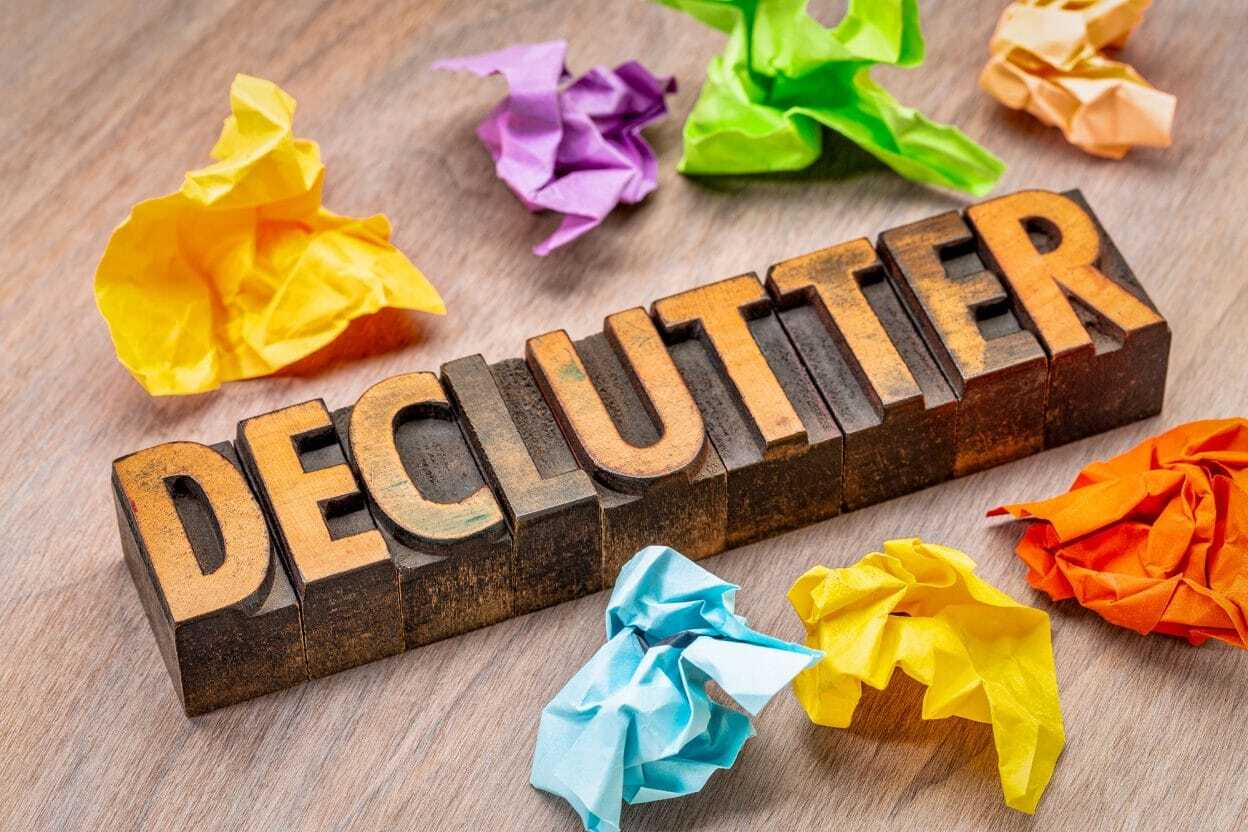
Inherited items and family heirlooms often carry profound emotional significance, representing the memories and legacies of loved ones who have passed away. The process of decluttering these possessions can evoke a range of feelings, from nostalgia to guilt, and it is essential to recognize these emotional impacts as one navigates the journey of letting go. Acknowledging the sentiment attached to these items and approaching decluttering with sensitivity can facilitate a healthier emotional experience.The psychological effects of decluttering family heirlooms can be complex.
Many individuals find themselves grappling with feelings of loss and anxiety when faced with the prospect of parting with cherished items. These possessions often serve as tangible connections to family history and personal identity. Recognizing the importance of sentimental value is crucial, as it provides a foundation for making informed decisions about which items to keep and which to release.
Understanding that the memories associated with these items can persist beyond their physical presence can ease the emotional burden of decluttering.
Acknowledging Sentimental Value
Sentimental value cannot be underestimated when dealing with inherited items. It is the emotional worth attributed to objects that goes beyond their monetary or practical use. Acknowledging this value can help in navigating the decluttering process with more compassion and clarity. Here are some methods to cope with emotional attachments during the decluttering process:
- Reflect on Memories: Take time to recall the stories and experiences associated with each item. This can help in understanding what the item truly represents in your life and whether it continues to hold meaning.
- Create a Memory Inventory: Instead of keeping every single item, consider documenting the memories linked to them in a journal or scrapbook. This preserves the sentiment while allowing you to let go of physical objects.
- Set Emotional Boundaries: Establish criteria for keeping items that hold significant sentimental value. This could include limiting the number of heirlooms you retain or focusing on those that evoke the strongest connections.
- Involve Family Members: Engaging relatives in the decluttering process can provide support and shared understanding. Discussing the sentimental value of items together may lead to collective decisions about what to keep.
- Consider a Tribute: If parting with an item feels overwhelming, think about creating a tribute such as a designated display area or a decorative box that can hold smaller mementos, allowing you to honor the memory without keeping everything.
“Letting go of possessions does not mean letting go of the memories they represent.”
The emotional journey of decluttering inherited items is deeply personal and requires time and patience. By acknowledging the sentimental value tied to these objects and employing strategies to cope with emotional attachments, individuals can navigate the decluttering process with greater ease and understanding.
Assessing the Value of Heirlooms
Assessing the value of family heirlooms can be a delicate process that requires careful consideration of both their monetary and sentimental worth. Understanding this value is essential not only for effective decluttering but also for honoring family history and making informed decisions about passing items on to future generations. This section Artikels the steps for evaluating inherited items, as well as resources available for appraising their worth.Determining the value of heirlooms involves a thorough evaluation of their historical significance, condition, provenance, and market demand.
The following steps can assist in making a comprehensive assessment of inherited items:
Steps for Evaluating Heirlooms
1. Research the Item
Begin by gathering as much information as possible about the heirloom, including its history, maker, and any relevant documentation. This will help establish context and significance.
2. Determine Condition
Assess the physical state of the item. Look for signs of wear, damage, or restoration, as these factors can significantly affect both monetary and sentimental value.
3. Consult Experts
Seek the insight of professionals, such as appraisers or antique dealers, who can provide expert evaluations based on their knowledge and experience.
4. Market Comparison
Investigate similar items being sold in the market. This can provide a baseline for understanding current trends in value.
5. Consider Sentimental Worth
Reflect on the emotional significance of the item within your family context. This aspect may not translate to monetary value but is crucial for personal evaluation.To further assist in this evaluation process, here is a list of valuable resources for appraising antiques and heirlooms:
Resources for Appraising Antiques and Heirlooms
Utilizing specific resources can enhance the accuracy of your appraisal. Consider the following options:
- Professional Appraisers: Certified appraisers are trained to evaluate the worth of antiques and can provide formal appraisals for insurance or sale.
- Local Antique Shops: Many antique dealers have expertise in specific areas and can offer insights or informal assessments.
- Online Appraisal Services: Websites such as WorthPoint and Heritage Auctions allow users to access past sales data and appraisals of similar items online.
- Books and Guides: Publications on antiques, collectibles, and specific types of items (e.g., furniture, jewelry) can offer valuable historical context and valuation methods.
- Auction Houses: Reputable auction houses can provide appraisals and also help sell items, giving insight into current market values.
When considering the various methods for appraising heirlooms, it is essential to weigh the pros and cons of each approach. The following table Artikels different valuation methods that can be employed:
Comparison of Valuation Methods
| Valuation Method | Pros | Cons |
|---|---|---|
| Professional Appraisal | Accurate and detailed; recognized for legal and insurance purposes. | Can be costly; may require a waiting period for appointments. |
| Market Comparison | Accessible; provides current market trends and values. | Values can vary widely; may not consider the unique history of the item. |
| Informal Opinion from Dealers | Quick insights; often free of charge. | Lack of formal documentation; potential bias based on seller interests. |
| Online Appraisal Services | Convenient; often provides access to historical data. | Quality of service can vary; may lack personal touch of a live expert. |
| Self-Assessment Using Guides | Cost-effective; empowers personal knowledge. | Can be subjective and may lack accuracy; requires substantial research. |
Understanding the multifaceted value of heirlooms ensures that decisions made about these items reflect both their monetary worth and their emotional significance.
Developing a Decluttering Strategy
:max_bytes(150000):strip_icc()/SPR-decluttering-checklist-7564554-hero-41ca01ba6e5544ceb329d6ab5ff86883.jpg "Declutter Checklist Printable - Printable Word Searches")
The process of decluttering inherited items and family heirlooms can be a daunting task, particularly given the emotional attachments associated with such belongings. A well-structured decluttering strategy can make this process more manageable and rewarding. By breaking down the process into clear, actionable steps, individuals can not only lighten their physical space but also alleviate the emotional burden that often accompanies inherited items.To embark on a successful decluttering journey, it is essential to establish a systematic approach.
This involves creating a comprehensive plan that Artikels the steps to take and the criteria for decision-making regarding each item.
Step-by-Step Guide for Decluttering Inherited Items
A step-by-step guide can facilitate the decluttering process and ensure that it is undertaken in an organized manner. The following steps Artikel a practical approach:
- Preparation: Begin by gathering all inherited items in a designated space. This allows for a clear view of what needs to be sorted.
- Initial Assessment: Take a moment to review each item and consider its sentimental and functional value. This assessment will guide your decision-making process.
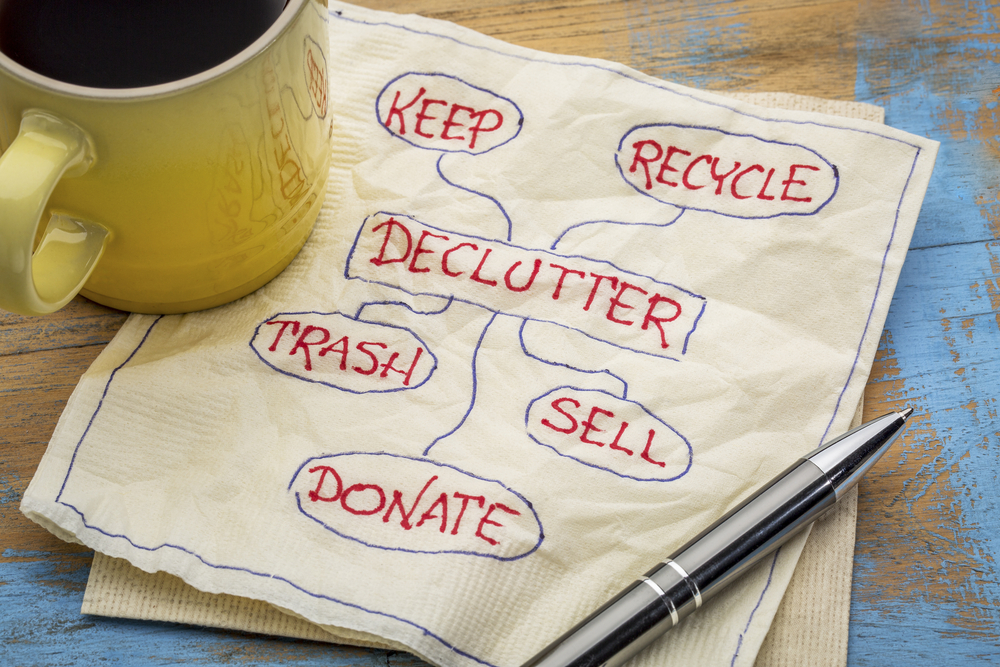
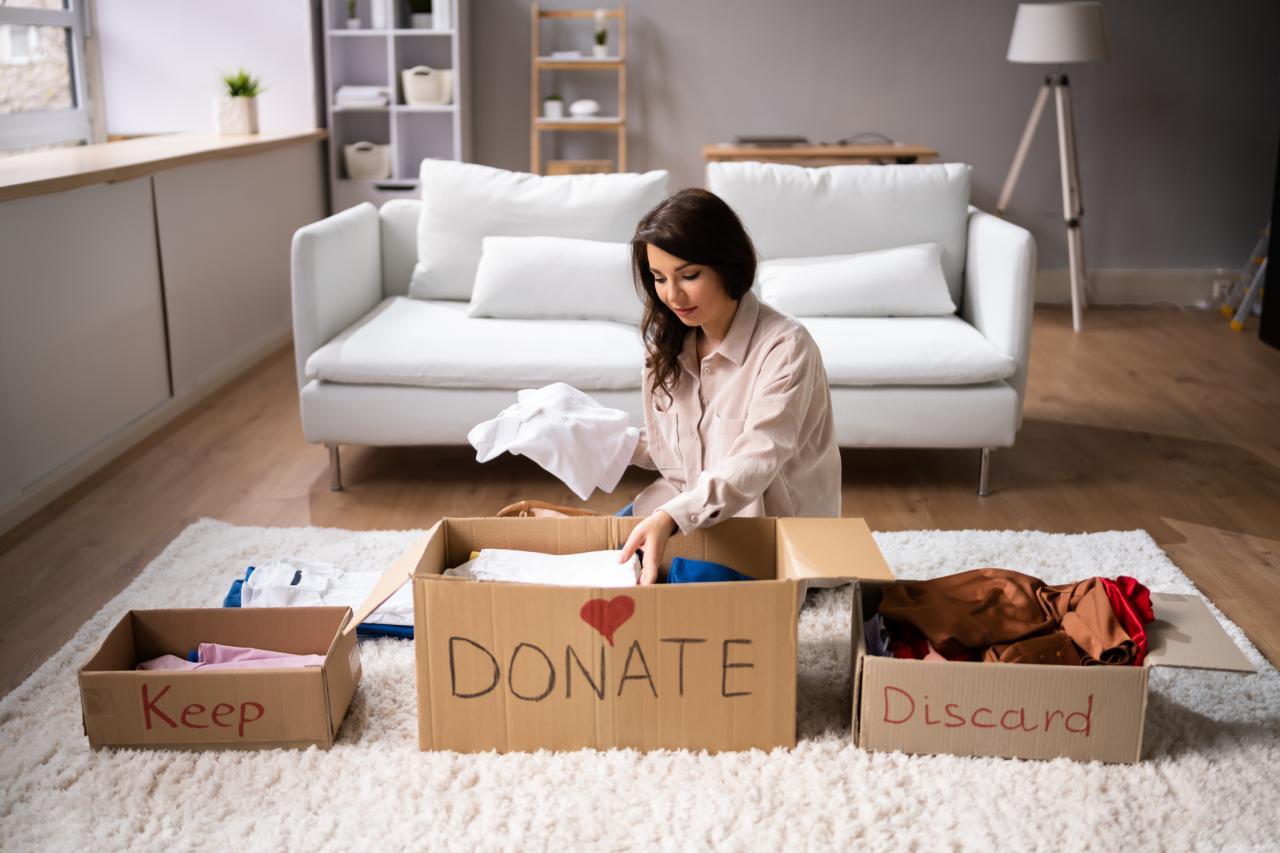
- Categorization: Divide items into distinct categories: keep, donate, sell, and discard. This categorization helps streamline the decluttering process.
- Execution: After categorizing, proceed to act on each category. Return to items marked for donation or sale promptly to avoid hesitation.
- Reflection: After decluttering, take time to reflect on the process and the decisions made. This can provide closure and clarity.
Techniques for Categorizing Items
Effective categorization is critical in the decluttering strategy, as it simplifies decision-making regarding inherited items. The following techniques can be employed:
Items can be categorized based on their emotional value, practicality, and the potential for use in your current life.
- Keep: Items that hold significant sentimental value or practical usage in your daily life should be retained. Consider whether these items enhance your living space or evoke positive memories.
- Donate: Items in good condition that may be beneficial to others can be donated. This allows you to share the love associated with these items while also minimizing clutter.
- Sell: Valuable items that you do not wish to keep but could generate income should be considered for sale. Online marketplaces or local consignment shops are excellent venues for selling such items.
- Discard: Items that are damaged or no longer serve a purpose should be discarded. This step is crucial for truly decluttering your space.
Setting Realistic Timelines and Goals
Establishing realistic timelines and goals is essential for a successful decluttering process. This ensures that the task does not become overwhelming and provides a sense of accomplishment as milestones are reached.
Setting achievable goals can significantly improve motivation and focus during the decluttering process.
It is advisable to break the decluttering process into smaller, manageable tasks. Consider the following points when setting timelines:
- Time Allocation: Dedicate specific blocks of time for decluttering sessions. For example, setting aside one hour each weekend can make the process less daunting.
- Goal Setting: Establish clear goals for each session, such as completing one room or a specific number of items within a predetermined timeframe.
- Regular Check-ins: Schedule regular intervals to review progress. This allows for adjustments in goals or timelines as necessary.
- Celebrate Achievements: Acknowledge the accomplishments made throughout the process, no matter how small, to maintain motivation.
Methods for Disposing of Unwanted Items
The process of disposing of inherited items and family heirlooms can be both practical and emotionally charged. Understanding the various options available for selling or donating these items can alleviate some of the stress associated with decluttering. It is crucial to approach this phase thoughtfully, ensuring that the items are treated with the respect and care they deserve.There are several effective methods for disposing of unwanted items, each providing a unique approach to handling family heirlooms and inherited possessions.
Whether choosing to sell, donate, or give items a new home, it is important to consider the potential impact of your decision on both the items and the recipients.
Options for Selling or Donating Items
When deciding how to part with unwanted items, several avenues are available. Selling items can provide financial benefits while donating can contribute to charitable causes. The following methods represent popular choices in the community:
- Online Marketplaces: Websites such as eBay, Facebook Marketplace, and Craigslist offer platforms for selling items directly to interested buyers.
- Consignment Shops: Local consignment stores can sell items on your behalf, taking a commission from the sale price.
- Garage Sales: Hosting a garage sale allows for quick disposal of multiple items at once, often attracting local buyers.
- Charitable Donations: Many organizations accept donated items, providing a tax deduction while contributing to a worthy cause.
Choosing the right method depends on the value of the items and the desired outcome.
Local Organizations That Accept Donations of Family Heirlooms
Donating family heirlooms can be a meaningful way to preserve their legacy while also supporting those in need. Numerous local organizations accept donations and may even focus on specific causes, making it easier to find a suitable match for your items. Below is a list of organizations that welcome donations of family heirlooms:
- Goodwill Industries: Accepts a variety of items, including furniture and collectibles, to support job training programs.
- The Salvation Army: Accepts donated goods for resale and uses the proceeds to fund community services.
- Habitat for Humanity ReStores: Accepts home improvement items and furniture to support building homes for those in need.
- Local Museums: Some museums may take heirlooms that have historical significance to the local community.
Researching the mission of these organizations will help ensure that your donations align with your values.
Comparison of Online Platforms for Selling Items
Several online platforms cater to individuals wishing to sell unwanted items, each with its own features, benefits, and target audiences. The following comparison table highlights key aspects of some widely used selling platforms:
| Platform | Fees | Audience Reach | Ease of Use |
|---|---|---|---|
| eBay | Variable listing and final value fees | Global | User-friendly, but may require shipping |
| Facebook Marketplace | No fees | Local | Simple interface for listing items |
| Craigslist | No fees (in most areas) | Local | Basic, but can be less secure |
| OfferUp | Optional shipping fees | Local | Mobile-friendly with chat feature |
Each platform’s choice depends on your selling goals, whether you seek a quick sale, local buyers, or a broader audience. Understanding these options will assist you in making informed decisions while managing your inherited items.
Preserving Important Heirlooms
Inherited items and family heirlooms often carry significant sentimental and historical value. Preserving these important treasures requires careful attention and deliberate actions to ensure their longevity and integrity. This section will discuss key techniques for proper storage and maintenance of valuable items, as well as effective methods for documenting their history and significance for future generations.
Proper Storage and Maintenance Techniques
To ensure that heirlooms remain in good condition, it is crucial to follow specific storage and maintenance techniques tailored to the type of item being preserved. Proper storage not only protects heirlooms from physical damage but also helps prevent degradation over time. Below are some guidelines for various types of heirlooms:
- Textiles: Store textiles such as clothing, quilts, or tapestries in acid-free boxes or bags. Avoid hanging heavy textiles, as this can cause stretching. Use padded hangers for delicate items, and ensure they are kept in a climate-controlled environment to prevent mold and fading.
- Furniture: Maintain furniture by keeping it out of direct sunlight to prevent fading and using coasters to avoid water rings. Regularly dust with a soft cloth and apply a suitable wood polish to nourish the finish. Ensure that furniture is stable and does not have loose joints or damage.
- Metal Items: For metal heirlooms, such as jewelry or decorative pieces, store them in anti-tarnish cloths or bags. Avoid exposure to humidity and consider using silica gel packets in storage areas to control moisture levels.
- Books and Documents: Store books upright on shelves and avoid overcrowding to prevent spine damage. Use archival-quality boxes for documents, ensuring they are kept in a dry, cool environment away from direct light.
Documenting Heirlooms’ History and Significance
Documenting the history and significance of heirlooms is essential for preserving their legacy. This process enhances the value of the items and creates a rich narrative that can be passed down through generations. Key elements to include in documentation are as follows:
- Provenance: Record the origin of the item, including its creator and any previous owners. This may include family stories or historical events associated with the heirloom.
- Condition Reports: Regularly assess and note the condition of the item, including any repairs made. This information is important for future maintenance and preservation efforts.
- Photographic Evidence: Take high-quality photographs of the heirloom from multiple angles. Include close-ups of details, labels, or engravings that may be of interest.
- Personal Significance: Document personal anecdotes or stories related to the heirloom. This adds emotional value and a personal touch to its history.
Digitally Cataloging Heirlooms for Future Generations
In our digital age, creating a digital catalog of heirlooms can enhance preservation efforts and ensure future generations have access to this information. Digital cataloging allows for easier sharing and safeguarding of heirloom histories. Consider the following methods for effective digital cataloging:
- Database Software: Use specialized software or applications designed for cataloging collections. These tools allow users to input detailed information about each heirloom and can include fields for images, descriptions, and history.
- Cloud Storage: Store digital records on cloud platforms to ensure they are safe from physical damage or loss. This allows family members to access the information from anywhere.
- Digital Backups: Regularly back up digital files to an external hard drive or another storage medium. This provides an additional layer of security against data loss.
- Sharing with Family: Create a shared family online platform or webpage dedicated to the family heirlooms, allowing relatives to contribute stories, updates, and new findings over time.
Involving Family in the Process
Engaging family members in the decluttering process can be a challenging yet rewarding endeavor. It is essential to navigate this sensitive topic delicately, as inherited items often carry significant emotional weight. By involving family members, you not only foster a collaborative environment but also ensure that decisions are respectful of each person’s feelings and memories associated with the heirlooms.Open communication is crucial when discussing the decluttering of inherited items.
Begin by organizing family meetings where everyone can share their thoughts and feelings regarding the heirlooms in question. Creating a space for dialogue allows for different perspectives and ensures that each family member feels heard. The following tips can enhance the effectiveness of these meetings.
Facilitating Family Meetings
Effective family meetings require thoughtful planning and structure. The following tips can help facilitate productive discussions:
1. Set a Clear Agenda
Before the meeting, Artikel the topics to be discussed, such as specific items or categories of heirlooms. This helps keep the conversation focused and organized.
2. Choose a Comfortable Setting
Select a neutral location where family members feel at ease. A familiar and comfortable environment can encourage open dialogue.
3. Encourage Participation
Invite each family member to share their thoughts on the heirlooms. Use prompts to stimulate discussion, ensuring that everyone has the opportunity to contribute.
4. Establish Ground Rules
Create guidelines for respectful communication. Encourage active listening and discourage interruptions, allowing each person to express their views fully.
5. Document the Discussion
Keep notes of the decisions made during the meeting. This documentation can help track what items will be kept, donated, or discarded, and can serve as a reference for future discussions.Creating a questionnaire can be an effective way to gather family input on which items to keep or let go. This structured approach allows family members to reflect on their feelings about the heirlooms without the pressure of a live discussion.
Questionnaire for Family Input
A well-designed questionnaire can help facilitate thoughtful responses about inherited items. Consider including the following sections in your questionnaire:
1. Item Description
Ask family members to describe the heirloom, including any relevant details such as its origin or significance.
2. Personal Connection
Include questions about personal memories or stories related to the item. This can help highlight its emotional value.
3. Preference on Retention
Provide options for family members to indicate whether they would prefer to keep, donate, or discard the item.
4. Proposed Alternative Uses
Encourage suggestions for how the item could be used or preserved in a different manner, such as being repurposed or displayed.
5. General Comments
Leave a space for any additional thoughts or insights that family members wish to share.By employing this questionnaire, families can assess the collective sentiment towards heirlooms while ensuring that every voice is acknowledged. This process not only eases the decision-making journey but also helps strengthen family bonds through shared memories and respectful dialogue.
Creating New Traditions with Heirlooms
:max_bytes(150000):strip_icc()/decluttering-your-entire-home-2648002-03-0d7df53fe9564f3fa1fe63aa19d7062f.jpg "How to Declutter Your Home: 6 Best Room-by-Room Methods")
Incorporating family heirlooms into daily life and celebrations can breathe new life into cherished belongings while creating meaningful experiences. Heirlooms are not merely objects but embody family history, stories, and values that can be transformed into new traditions. By finding innovative ways to integrate these items into contemporary settings, families can foster connections across generations and create lasting memories.To effectively incorporate heirlooms into daily life and celebrations, consider the following ideas that highlight the beauty and significance of the items while allowing for modern expression.
Incorporation of Heirlooms into Daily Life
Integrating heirlooms into everyday routines can create a sense of continuity and appreciation for family history. Here are several creative methods to achieve this:
- Utilize vintage dinnerware during family meals to evoke nostalgia while sharing stories of the past. This practice not only enhances the dining experience but also sparks conversations about family traditions.
- Repurpose an inherited quilt or textile as a decorative throw in your living space. This infuses warmth and character into your home while honoring its history.
- Wear a piece of jewelry that has been passed down through generations on special occasions, or even on ordinary days, to keep family memories close.
- Display framed photographs of ancestors alongside heirlooms in a dedicated memory wall. This visual representation can serve as a powerful reminder of family heritage.
Creating New Memories with Inherited Items
Heirlooms can be catalysts for creating new memories that intertwine the old with the new. Engaging with these items in meaningful ways enhances familial bonds. Consider these suggestions:
- Host an annual family gathering where each member is encouraged to bring an heirloom item and share its story. This not only honors the past but also strengthens family ties.
- Incorporate an heirloom into a special holiday tradition, such as using an ancestral ornament on the Christmas tree, which can become a beloved annual ritual.
- Organize a family craft day where old heirlooms are used as inspiration for new creations, allowing family members to reinterpret their significance in a modern context.
- Document family recipes passed down through generations by preparing them together while using the associated cooking tools or serving dishes. This acts as a bridge between generations and fosters appreciation for family culinary traditions.
Creative Display Ideas for Heirlooms
Displaying heirlooms creatively enriches the aesthetic appeal of your living environment while paying homage to family history. Here are some imaginative ways to showcase these treasures:
- Transform an old trunk into a coffee table, showcasing additional heirlooms inside while providing functional storage. This can be a conversation starter and a visual focal point in your living room.
- Use shadow boxes to create three-dimensional displays of smaller heirlooms, such as cufflinks or letters, which can be hung on walls or placed on shelves.
- Incorporate vintage furniture into modern decor, blending styles to create a unique space that reflects your family’s legacy.
- Host a “family heirloom showcase” in your home, inviting friends and neighbors to view and learn about your inherited items through guided tours or storytelling sessions.
By thoughtfully integrating heirlooms into everyday life and celebrations, families can foster a deeper appreciation for their heritage while creating new traditions and memories that will endure for generations to come.
Final Review
In conclusion, the journey of decluttering inherited items and family heirlooms not only opens up physical space but also fosters emotional healing and renewal. By understanding the value of these items, employing effective strategies, and engaging with family, one can honor the past while embracing the future. The process, although challenging, can lead to the creation of new traditions and memories, allowing heirlooms to remain a cherished part of family life in innovative ways.