How to Declutter Old Electronics and Cords Responsibly presents an essential guide for individuals looking to manage their electronic waste in a sustainable manner. In today’s fast-paced technological world, we often find ourselves surrounded by outdated devices and tangled cords that serve no purpose. This guide not only emphasizes the importance of responsible decluttering but also provides practical steps to ensure that you can dispose of your electronics safely and ethically.
By focusing on the environmental impact of electronic waste and the potential hazards of improper disposal methods, readers will gain insights into the benefits of engaging in responsible decluttering practices. This process is not merely about clearing space; it is about making informed decisions that positively impact our planet and communities.
Importance of Responsible Decluttering
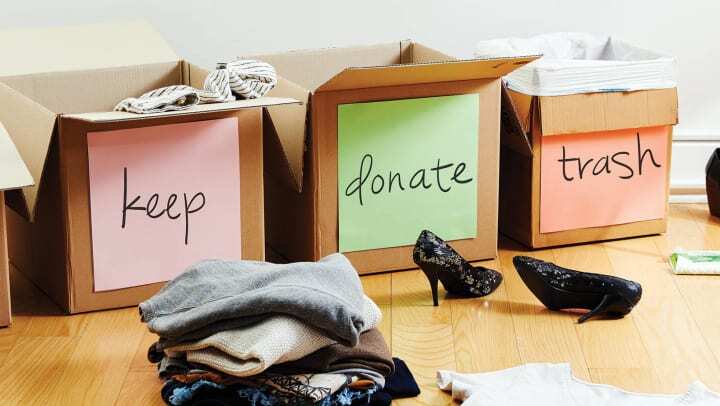
Responsible decluttering of old electronics and cords is essential for both environmental sustainability and public health. With technology constantly evolving, the accumulation of outdated devices and tangled cords has become common in many households and workplaces. As these items age, they not only take up valuable space but also pose significant risks if disposed of improperly. Understanding the implications of electronic waste is critical for fostering a cleaner, safer environment.The environmental impact of electronic waste is profound, as these discarded items often end up in landfills, contributing to pollution and greenhouse gas emissions.
Electronic devices contain hazardous materials such as lead, mercury, and cadmium, which can leach into the soil and water systems, causing long-lasting damage to ecosystems. The improper disposal of electronic waste can also result in the release of toxic substances into the air, posing serious health risks to communities.
Environmental and Health Hazards of Improper Disposal
The potential hazards associated with improper disposal methods of electronic waste include:
- Soil Contamination: Hazardous substances from electronic devices can seep into the ground, affecting plant growth and contaminating local water supplies.
- Air Pollution: Burning electronic waste to recover valuable metals releases toxic fumes and particulate matter into the atmosphere, which can lead to respiratory issues and other health problems.
- Water Pollution: Chemicals from e-waste can leach into groundwater, impacting aquatic life and the quality of drinking water.
- Public Health Risks: Communities near landfills or e-waste recycling facilities may experience higher rates of health issues due to exposure to toxic substances.
Responsible decluttering practices not only mitigate these hazards but also offer various benefits. By recycling or donating old electronics, individuals can contribute to a circular economy, where materials are reused and repurposed rather than discarded. This practice reduces the need for new resources, conserving energy and minimizing waste. In addition, responsible decluttering can facilitate proper recycling processes, allowing valuable materials like gold and copper to be extracted and reused, thereby reducing the environmental footprint associated with mining and manufacturing new products.
“The adoption of responsible e-waste disposal methods can significantly reduce the environmental impact of electronic waste, promoting a healthier planet for future generations.”
Ultimately, responsible decluttering of electronics and cords is not merely an organizational task but a crucial step toward ensuring the safety and health of our planet and communities.
Identifying Unwanted Electronics
The process of decluttering old electronics begins with identifying which items are no longer needed. By systematically evaluating your collection of devices and cords, you not only create space but also contribute to environmental sustainability. This stage is crucial as it lays the foundation for responsible disposal and recycling of electronics that have reached the end of their useful life.
Assessing the condition and usability of your electronics is vital for determining their future. Start by inspecting each device for functionality, physical damage, or obsolescence. Items that show signs of wear or have not been used in years often signify that it’s time to part ways. Below is a checklist of common electronics that are frequently found in households and offices, which can guide you in the decluttering process.
Checklist of Common Old Electronics
Creating a checklist is an efficient way to ensure that no item is overlooked during the decluttering process. Consider the following categories when evaluating your old electronics:
- Computers and Laptops: Desktop computers, laptops, and their peripherals like keyboards and mice.
- Mobile Devices: Smartphones, tablets, and e-readers that may be outdated or non-functional.
- Televisions: Old CRTs and flat-screen TVs, especially those that are no longer compatible with modern services.
- Audio Equipment: CD players, cassette players, and non-Bluetooth speakers.
- Gaming Consoles: Older gaming systems and controllers that are no longer in use.
- Chargers and Cords: Discarded chargers and cables that no longer match any usable device.
- Miscellaneous Items: Projectors, cameras, and smart home devices that have been replaced or upgraded.
Establishing a method for assessing the condition of these items can further streamline your decluttering efforts.
Assessing Condition and Usability
Determining the usability of electronics is essential prior to deciding on their fate. Consider the following factors:
- Functional Test: Plug in devices to check if they power on and perform their basic functions.
- Physical Condition: Inspect for visible damage, such as cracks, corrosion, or frayed cables.
- Age and Compatibility: Evaluate the age of the device and its compatibility with current technology standards.
- Market Demand: Research if the item holds any resale value or could be repurposed.
By thoroughly assessing each device, you can categorize items according to their future use.
Categorizing Items Based on Future Use
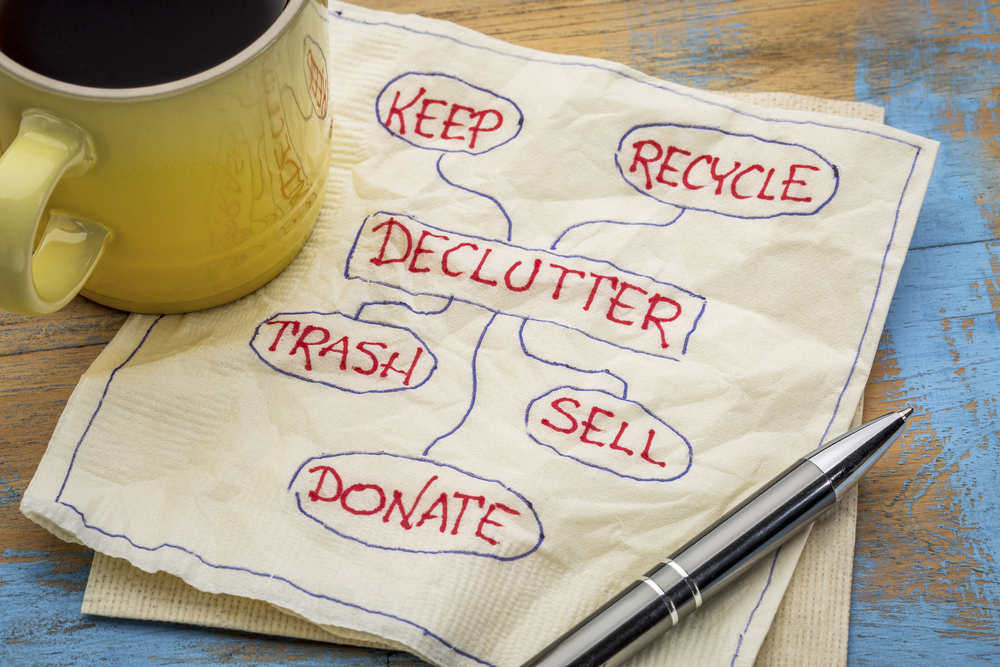
After assessing the condition and usability of your electronics, categorization plays a crucial role in the decluttering process. The following categories are recommended:
- Keep: Devices that are fully functional, meet your current needs, and are not slated for replacement.
- Recycle: Items that are outdated or damaged beyond repair, which can be taken to certified e-waste recycling facilities.
- Donate: Working devices that are no longer needed but can benefit others, such as schools or charitable organizations.
- Sell: Items that still hold value can be listed for sale on online marketplaces or local classifieds.
- Repurpose: Consider creative ways to reuse old electronics, such as converting an old smartphone into a home security camera.
Utilizing these categories will ensure that your decluttering process is efficient, responsible, and aligned with sustainable practices. By thoughtfully identifying unwanted electronics, you are taking significant steps towards a cleaner and more organized space while promoting environmental stewardship.
Safe Disposal Options
Responsible disposal of old electronics is crucial for reducing e-waste and protecting our environment. By selecting appropriate disposal methods, you can ensure that harmful materials are handled correctly and that usable devices are repurposed. Below, we explore various safe disposal options, including recycling centers, donation opportunities, and mail-in programs.
Local Recycling Centers for Electronics
Recycling centers play an essential role in the responsible disposal of electronic devices. These facilities are equipped to handle e-waste and prevent harmful substances from entering landfills. Many local recycling centers accept a wide range of electronic items, including computers, televisions, and mobile devices. To find a recycling center near you, consider researching the following local resources:
- County or municipal waste management websites often provide lists of certified e-waste recycling facilities.
- Earth911.com offers a searchable database where you can input your zip code to locate nearby recycling centers.
- Best Buy and Staples have dedicated recycling programs at their retail locations, accepting various electronics, often for free.
Donation Options for Working Devices
Donating working electronics extends their lifespan and benefits others in your community. Several organizations accept functional devices, ensuring they are reused rather than disposed of.Consider the following organizations that accept donations of working electronics:
- Goodwill and Salvation Army often accept electronics, which they sell in their stores to support community programs.
- Local schools and nonprofits may welcome donations of computers and tablets for educational purposes.
- TechSoup partners with nonprofits to provide refurbished technology solutions, accepting donations of working devices.
Mail-in Recycling Programs
Mail-in recycling programs offer a convenient way to dispose of electronics, especially when local facilities are unavailable. These programs typically allow you to send in your unwanted devices for recycling.Several reputable mail-in recycling options include:
- Gazelle offers a simple process to sell and recycle old smartphones and tablets, providing prepaid shipping labels for easy mailing.
- Call2Recycle specializes in recycling batteries and electronics, offering mail-in programs for consumers to send in various devices.
- Apple’s Trade In program allows you to mail in eligible devices for recycling or credit toward new purchases, ensuring responsible disposal.
Organizing Cords and Accessories
![Efficiently Declutter Your House in Just One Week [Day by Day Plan]](https://solusmu.web.id/wp-content/uploads/2025/09/Declutter-8.jpg "Efficiently Declutter Your House in Just One Week [Day by Day Plan]")
Managing electronic cords and accessories effectively is crucial for maintaining an orderly and functional space. Cords can quickly become a tangled mess, leading to frustration and wasted time when searching for the right device. By organizing these items systematically, individuals can enhance their productivity and create a more visually appealing environment.
Untangling and Sorting Cords
Untangling and sorting cords requires a structured approach to ensure efficiency. Begin by gathering all cords and accessories into one designated area. This helps visualize the extent of the clutter and allows for better sorting. Follow these steps to effectively untangle and organize:
- Carefully untangle each cord, starting from one end and gently pulling each loop apart.
- Group similar types of cords together, such as power cords, USB cables, and audio cables.
- Inspect each cord for damage or wear. Discard those that are no longer functional.
- Use a designated space, such as a drawer or storage box, to separate the organized cords based on their function.
Labeling and Systematic Storage
Labeling cords and accessories is essential for quick identification and retrieval. Implementing a systematic storage method reduces the likelihood of future tangling. Here are effective strategies for labeling and storing cords:
“Proper labeling can save you time and prevent unnecessary frustration.”
Begin by acquiring labels and a marker or labeling machine. Consider these labeling options:
- Label each cord with its corresponding device name, such as “Laptop Charger,” to simplify identification.
- Use color-coded labels for different categories, such as red for chargers and blue for audio cables.
For storage, consider these methods:
- Utilize cord organizers or cable management boxes to keep cords neatly stored and untangled.
- Employ Velcro straps or twist ties to bundle cords together, preventing them from becoming tangled.
Repurposing or Recycling Old Chargers and Cables
Old chargers and cables can often be repurposed or recycled, minimizing waste and benefiting the environment. Many organizations and communities offer recycling programs specifically for electronic waste. Consider these options for responsible disposal:
“Repurposing can give new life to items that may otherwise be discarded.”
Examples of repurposing include:
- Transforming old chargers into mobile phone stands by attaching them to stable bases.
- Using old cables to create DIY projects, such as jewelry or home decor items.
For recycling, find local e-waste recycling facilities that accept cables and chargers. Many retailers also provide take-back programs for electronic accessories. Ensuring that these items are disposed of responsibly contributes to environmental sustainability and reduces landfill waste.
Secure Data Wiping
The process of securely erasing personal data from electronic devices is crucial before disposal or recycling. In an age where identity theft and data breaches are prevalent, ensuring that sensitive information is irretrievable protects not only your privacy but also your financial security. This section Artikels effective data wiping methods tailored for different types of devices, emphasizing the importance of employing proper software tools to achieve complete data destruction.
Data Wiping Process
Secure data wiping involves several steps to ensure that all personal information is permanently deleted. Below are the essential steps in this process:
1. Backup Important Data
Before initiating any data wiping process, it is vital to back up any important information that you may need in the future. This can be done through cloud storage solutions or external hard drives.
2. Select Appropriate Software
Choosing the right software tool is paramount for effective data wiping. Look for applications that comply with recognized data sanitization standards, such as:
NIST 800-88
Provides guidelines on media sanitization.
DoD 5220.22-M
A standard developed by the U.S. Department of Defense.
3. Execute Data Wiping
Utilize the chosen software to securely erase all data on the device. Most reliable data wiping tools will provide options such as:
Single-pass overwrite
Overwrites the data with random characters once.
Multi-pass overwrite
Overwrites the data multiple times, ensuring it is irretrievable.
4. Verification of Wiping
After data wiping, verify the process by using recovery software to ensure that no data can be retrieved.
Device-Specific Wiping Methods
Different types of devices require specific methods for secure data wiping. Below are tailored approaches for smartphones and computers:
Smartphones
Most smartphones come with built-in factory reset options that erase user data. However, for more secure wiping, third-party applications like Secure Erase or iShredder can be utilized. These apps typically offer a multi-pass overwrite feature for enhanced security. –
Computers
For desktop and laptop computers, tools such as DBAN (Darik’s Boot and Nuke) and CCleaner are popular choices. These programs allow users to wipe entire hard drives securely. It is advisable to boot from a USB drive containing the software to ensure the operating system is not running during the wiping process.
“Data wiping is not just about erasing files; it is about ensuring that your personal information is permanently destroyed and cannot be retrieved by unauthorized individuals.”
Innovative Upcycling Ideas
:max_bytes(150000):strip_icc()/decluttering-your-entire-home-2648002-03-0d7df53fe9564f3fa1fe63aa19d7062f.jpg "How to Declutter Your Home: 6 Best Room-by-Room Methods")
Repurposing old electronics and their components offers a sustainable way to reduce waste while fostering creativity. Not only does it breathe new life into discarded items, but it also provides an opportunity to create unique, functional pieces that can enhance your living space or serve as thoughtful gifts. Through various projects, individuals can explore their artistic potential while contributing to environmental conservation.Innovative upcycling projects can transform unusable electronics into functional and decorative items.
Engaging in such endeavors not only promotes sustainability but also encourages ingenuity. Below are several creative ideas for repurposing old electronics into useful and artistic products:
Creative Projects for Repurposing Electronics
Old electronics can serve as the foundation for a range of innovative projects. Here are some noteworthy examples:
- Light Fixtures: Old hard drives can be transformed into stunning light fixtures. By carefully dismantling the drive and utilizing the reflective surfaces, you can create a modern, industrial-style lamp that serves as a conversation starter.
- Planters: Broken keyboards can be converted into unique planters. By removing the keys and ensuring proper drainage, you can create a quirky display for small succulents or herbs.
- Wall Art: Discarded circuit boards and components can be arranged into striking wall art pieces. By framing these electronic elements, you can create a visually appealing homage to technology.
- Furniture: Old televisions can be upcycled into functional furniture, such as a pet bed or a storage cabinet. With some creativity, these bulky items can become charming additions to any room.
Artistic Endeavors Using Discarded Electronic Parts
The artistic potential of discarded electronics is vast. Many artists have begun to embrace the beauty of old electronic components, creating works that highlight both form and function. A few notable examples include:
Sculptures
Artists can construct intricate sculptures using parts like wires, circuit boards, and connectors. These pieces can reflect themes of technology and nature, showcasing a blend of industrial and organic forms.
Jewelry
Small components such as resistors, capacitors, and connectors can be fashioned into unique jewelry pieces. This fusion of art and engineering results in wearable pieces that tell a story of sustainability.
Mixed Media Art
Combining electronic components with traditional art supplies can yield diverse art forms. For instance, integrating circuit boards into paintings or collages can add texture and dimension to the artwork.
Community Workshops and Online Platforms
For those interested in learning upcycling techniques, numerous resources are available. Community workshops often host classes on how to creatively repurpose old electronics, providing hands-on experience and expert guidance. Additionally, online platforms such as YouTube and Pinterest are treasure troves of tutorials and ideas. They offer step-by-step guides for various upcycling projects, allowing individuals to explore their creativity at their own pace.
Engaging with online forums and social media groups dedicated to upcycling can also inspire new projects and foster a sense of community among like-minded individuals. Participating in these activities not only enhances skills but also encourages collaboration, ensuring that responsible decluttering and creative repurposing go hand in hand.
Educating Others
:max_bytes(150000):strip_icc()/SPR-decluttering-checklist-7564554-hero-41ca01ba6e5544ceb329d6ab5ff86883.jpg "Declutter Checklist Printable - Printable Word Searches")
Promoting responsible decluttering of electronics within a community fosters a culture of sustainability and environmental stewardship. By sharing knowledge and experiences, individuals can collectively reduce electronic waste and its impact on the environment. Organizing educational initiatives can significantly enhance awareness and encourage responsible practices.A comprehensive plan for hosting a workshop on responsible decluttering can serve as an effective means of educating others.
This initiative can include elements such as interactive discussions, hands-on demonstrations, and informative presentations on the importance of sustainable disposal methods. The following steps Artikel a structured approach to organizing a successful workshop:
Workshop Planning Steps
It is essential to have a clear framework for the workshop to ensure its effectiveness. Consider the following components when planning:
- Identify Target Audience: Determine who will benefit most from the workshop, such as local residents, students, or community organizations.
- Select a Venue: Choose a location that is accessible and conducive to learning, such as a community center or library.
- Develop Curriculum: Create an engaging curriculum that includes topics such as identifying unwanted electronics, safe disposal options, and data wiping techniques.
- Invite Experts: Collaborate with local environmental organizations or electronic waste disposal experts to provide authoritative insights.
- Promote the Event: Utilize social media, local newspapers, and community boards to disseminate information about the workshop and encourage participation.
- Follow-Up Activities: Plan additional events or discussions to maintain engagement with participants post-workshop.
Encouraging the sharing of personal experiences and tips within local community groups is another effective method for promoting responsible electronic disposal. This can be achieved through various platforms such as social media groups, community forums, or neighborhood meetings. By facilitating open discussions, individuals can share their personal journeys regarding decluttering and disposal practices, thereby inspiring others to adopt similar practices.
Additionally, stories of successful recycling or upcycling projects can motivate community members to take action.
Methods for Spreading Awareness
Raising awareness about the importance of proper electronic disposal is crucial in combating electronic waste. Various strategies can be implemented to spread this message effectively:
- Information Campaigns: Develop brochures, flyers, and online content that highlight the environmental impacts of electronic waste and provide guidance on responsible disposal.
- Community Events: Organize clean-up days or electronic recycling drives where community members can bring unwanted electronics for safe disposal.
- Partnerships with Schools: Collaborate with educational institutions to introduce programs focused on sustainability and proper disposal methods as part of their curriculum.
- Social Media Engagement: Utilize platforms like Facebook, Instagram, and Twitter to share tips, statistics, and personal stories related to responsible electronic disposal.
- Local News Features: Work with local media to run stories that emphasize the community’s efforts in electronic waste management and provide success stories of responsible decluttering.
Incorporating these methods will not only promote awareness but also encourage a community-wide commitment to responsible electronic decluttering practices, ultimately fostering a healthier environment.
Epilogue
In summary, engaging in the responsible decluttering of old electronics and cords is a meaningful way to contribute to a healthier environment while also fostering creativity through innovative upcycling ideas. By following the Artikeld steps for safe disposal, secure data wiping, and organizing cords, you can transform clutter into opportunities for renewed purpose. Let us take collective action to ensure that our electronic waste is handled properly, promoting awareness and encouraging others to join in this vital endeavor.