How to Declutter When Your Partner is a Packrat is not just about tidying up; it’s a journey into understanding the emotional ties that bind people to their possessions. For many, the act of holding onto items transcends mere clutter—it’s intertwined with memories, identity, and a reluctance to let go. This article aims to explore the psychological underpinnings of packrat behavior, offer effective communication strategies, and provide collaborative decluttering techniques to help couples navigate this delicate process together.
Delving into the intricacies of setting boundaries, negotiating sentimental items, and fostering lasting habits, readers will discover practical steps to create a home that reflects both partners’ needs. With thoughtful approaches and mutual respect, couples can transform their living spaces and strengthen their relationship in the process.
Understanding the Packrat Mentality
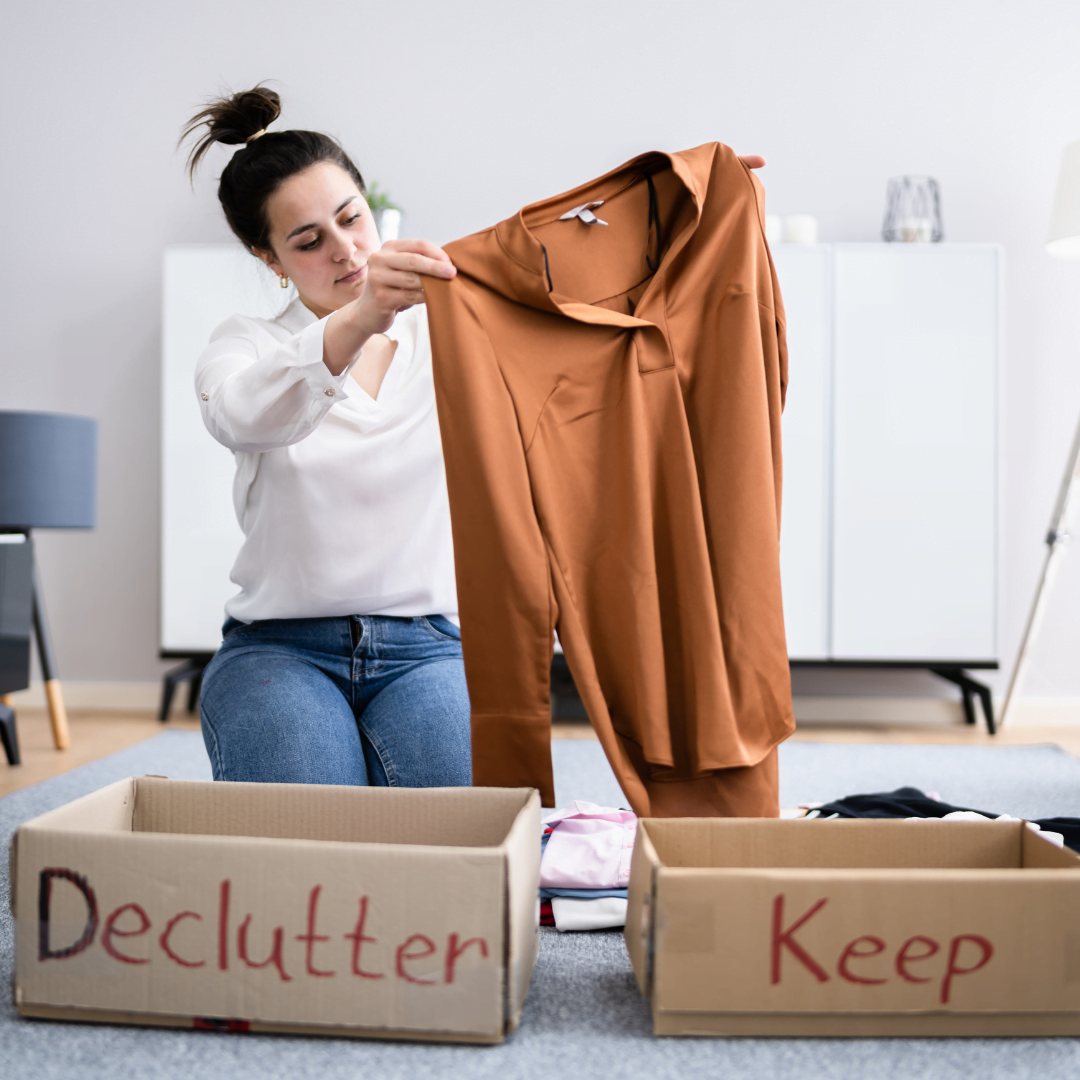
The packrat mentality is a complex interplay of psychological factors that can significantly influence an individual’s relationship with their possessions. Understanding these factors is crucial for addressing clutter effectively, particularly when sharing a living space with a partner who exhibits packrat tendencies. These behaviors often stem from deeper emotional connections and psychological needs, making it essential to approach the subject with sensitivity and empathy.The packrat behavior often arises from a combination of psychological reasons, including fear of loss, sentimentality, and a desire for security.
Individuals may believe that their possessions define their identity or carry memories that are too precious to discard. This emotional attachment can create a significant barrier to decluttering, as letting go of items feels like relinquishing a part of oneself. Furthermore, many packrats experience anxiety at the thought of parting with items, leading them to hold onto belongings that may no longer serve a practical purpose.
Emotional Attachment to Belongings
Understanding the emotional ties individuals have to their possessions is vital in navigating conversations about clutter. The following points highlight key aspects of this attachment:
- Sentimental Value: Items often carry memories, such as gifts from loved ones or mementos from significant life events, making it difficult for individuals to part with them.
- Fear of Regret: The anxiety that stems from possibly discarding something that may be needed in the future can lead to a reluctance to declutter.
- Identity and Self-Worth: Belongings may serve as a reflection of one’s identity, and letting go can feel like losing a part of oneself.
Effective communication strategies are crucial when discussing clutter with a partner who identifies as a packrat. It is important to approach this topic with understanding and compassion. Here are some recommended strategies:
- Choose the Right Time: Initiate discussions when both partners are calm and not overwhelmed by clutter, allowing for a constructive dialogue.
- Use “I” Statements: Express feelings about the clutter using personal statements, such as “I feel stressed when our space is cluttered,” to avoid sounding accusatory.
- Focus on Solutions: Instead of solely highlighting the problem, present collaborative solutions that can benefit both partners, such as designating specific areas for keepsakes.
“Understanding the emotional attachment to belongings can pave the way for more effective and compassionate communication.”
Setting Boundaries Together
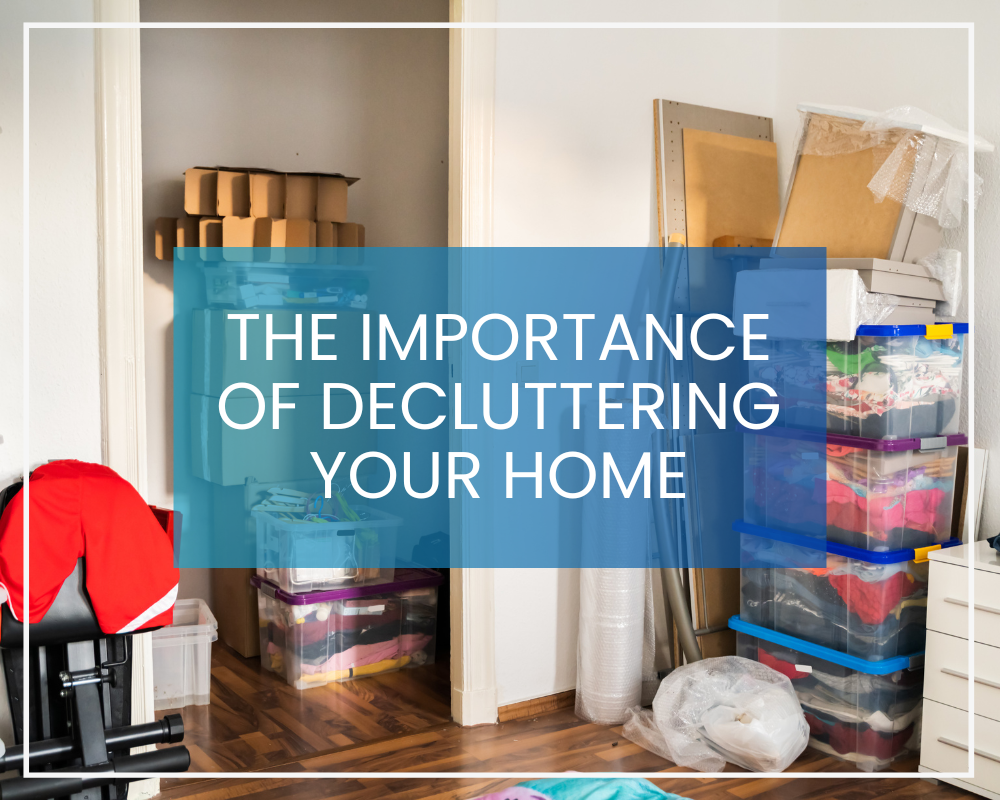
Establishing boundaries in a shared living space is crucial, especially when one partner has a tendency to accumulate items. Working as a team, couples can create an environment that promotes organization and harmony. This collaborative approach not only helps in decluttering but also strengthens the relationship through effective communication and mutual respect.Setting decluttering goals as a team fosters a sense of partnership and shared responsibility.
To achieve this, it is essential to have open discussions about each partner’s priorities and concerns regarding clutter. This may involve identifying specific areas of the home that both parties agree need attention.
Establishing Decluttering Goals
Determining mutual decluttering goals ensures both partners feel involved and committed to the process. The following steps can help Artikel these goals effectively:
- Discuss personal feelings about clutter: Each partner should express how clutter affects their peace of mind and daily routines.
- Identify shared values: Agree on the significance of having a clutter-free space and the benefits it brings to both individuals.
- Set specific goals: Create measurable decluttering targets, such as minimizing clutter in designated areas or reducing the volume of items by a certain percentage.
Organizing a list of agreed-upon spaces that should remain clutter-free is an important aspect of this process. When both partners agree on which areas deserve special attention, it establishes a clear understanding of expectations. Key areas typically include:
- The living room, as it is often the primary space for relaxation and socializing.
- The kitchen, which benefits from being organized to promote efficient cooking and dining experiences.
- The bedroom, where a serene environment can contribute to restful sleep and overall well-being.
Creating a timeline for decluttering sessions adds structure to the process and helps maintain momentum. Setting specific dates for tackling particular areas encourages accountability and progress. Here are some considerations for developing an effective timeline:
- Allocate time for each session: Determine how long each decluttering session will last based on the size of the area being tackled.
- Schedule regular intervals: Ensure sessions are frequent enough to maintain engagement without overwhelming either partner.
- Include breaks: Allow for pauses during sessions to prevent burnout and to discuss progress and feelings about the items being sorted.
Creating and respecting boundaries is essential for fostering a productive and collaborative decluttering experience.
Decluttering Techniques for Couples

Collaborative decluttering can transform the process from a daunting task into a shared endeavor that strengthens the partnership. By implementing effective techniques, couples can sort through their belongings in a manner that respects each other’s sentiments and promotes a harmonious environment. The following methods are designed to facilitate a smooth decluttering journey for partners.
Sorting Items Together
Sorting items as a team fosters communication and joint decision-making. Utilizing a clear categorization system can simplify the process and ensure mutual agreement on what to keep, donate, or discard. A common method is to create three distinct piles: “Keep,” “Donate,” and “Discard.” To maximize efficiency, consider the following steps:
- Set clear time limits: Allocate a specific time frame for each sorting session to maintain focus and prevent overwhelm.
- Utilize boxes or bins: Designate separate boxes or bins for each category to keep items organized and visible.
- Review each item together: Encourage open discussion about the value and sentiment associated with each item, allowing both partners to express their thoughts.
This approach not only clarifies each partner’s perspective but also strengthens emotional ties to essential items.
Creating a Designated Decluttering Area
Establishing a specific area in the home for decluttering can streamline the process and contain clutter to a manageable space. This dedicated zone should be easily accessible and large enough to accommodate various items being sorted.Consider these suggestions for creating an effective decluttering area:
- Choose a suitable location: Select a space that is not frequently used, such as a spare room, garage, or basement, to minimize disruptions.
- Ensure proper lighting: Good lighting enhances visibility and makes the sorting process more pleasant.
- Incorporate necessary supplies: Stock the area with boxes, bags, markers, and labels to facilitate sorting and transportation of items.
A well-defined space for decluttering helps maintain focus and encourages regular sessions.
Implementing a “One In, One Out” Rule
To maintain a clutter-free environment, adopting a “one in, one out” rule can be particularly effective for couples. This principle stipulates that for every new item brought into the home, an existing item must be removed. The benefits of this rule include:
- Encouraging mindful purchasing: Couples are prompted to consider the necessity and value of new items before acquiring them.
- Limiting accumulation: This strategy helps prevent the gradual buildup of clutter, ensuring that living spaces remain organized.
- Promoting teamwork: Couples can collaborate in deciding which items to remove, reinforcing shared values regarding possessions.
This rule provides a practical framework for managing belongings and supports a sustainable decluttering lifestyle.
Compromising on Sentimental Items
Navigating the emotional landscape of sentimental items can be challenging, particularly when one partner is more inclined to hold onto personal possessions. Understanding how to negotiate the retention of these items is vital to creating a harmonious home environment. Engaging in open conversations can help both partners find a middle ground that respects memories while promoting a decluttered space.When dealing with sentimental belongings, it is essential to recognize the emotional weight these items carry for each partner.
Strategies for negotiating their retention involve active listening, empathy, and compromise. Acknowledging the feelings associated with these items can facilitate a more productive discussion about what is truly necessary to keep.
Strategies for Negotiating Sentimental Items
To effectively negotiate the retention of sentimental items, couples can explore various strategies that promote mutual understanding and respect. Here are some key approaches to consider:
- Open Dialogue: Create a safe space to discuss each partner’s attachment to specific items. Encourage sharing of stories related to these belongings to understand their significance.
- Establish Criteria: Agree on criteria for keeping sentimental items, such as the item’s emotional value, frequency of use, or the possibility of replacing it with a digital alternative.
- Compromise on Quantity: Limit the number of sentimental items each partner can keep. This encourages thoughtful consideration of what truly matters.
- Involve a Third Party: If discussions become heated, consider involving a neutral third party, such as a family member or a professional organizer, to mediate the conversation.
Alternatives to keeping physical items can also alleviate the burden of clutter while preserving memories. Couples can explore various creative solutions that honor sentimental value without occupying physical space.
Alternatives to Keeping Items
When it is challenging to keep physical items, consider these alternatives that allow you to honor memories without contributing to clutter:
- Photography: Taking high-quality photographs of sentimental items can immortalize their essence. Create a digital album or slideshow to revisit memories without the need for physical storage.
- Memory Boxes: Designate a memory box for each partner to store a limited selection of items that hold significant meaning. This can help manage space while preserving important belongings.
- Creative Reuse: Transform items into art or functional pieces. For instance, clothing can be made into quilts or cushions, providing a practical use that retains sentimental value.
- Digital Archives: Scan documents, letters, or memorabilia and create a digital archive. This ensures memories are preserved without taking up physical space.
Creating an effective dialogue around sentimental belongings is crucial in helping both partners express their feelings and come to an understanding about what to keep. A discussion guide can aid in facilitating these conversations.
Discussion Guide for Meaningful Belongings
Engage in meaningful discussions by utilizing the following guide, which Artikels key points to consider during conversations about sentimental items:
- Identify Attachments: Encourage each partner to share their emotional attachments and stories related to specific items.
- Consider Future Use: Discuss whether the items will be used regularly or if they serve more as reminders of the past.
- Evaluate Replacement Options: Explore if certain items can be replaced with alternatives, like digital formats or creative projects.
- Revisit Decisions: Agree to revisit the conversation periodically, allowing for adjustments as feelings and circumstances evolve over time.
Encouraging Changes Over Time
Introducing new habits related to decluttering can be a gradual process, especially when one partner tends to keep items that may seem unnecessary to the other. To encourage positive change and foster a collaborative environment, couples can adopt a variety of strategies aimed at reinforcing new behaviors over time. This approach not only aids in the decluttering process but also strengthens the partnership by promoting teamwork and understanding.Establishing a plan for regular decluttering sessions is a critical step in creating a sustainable change in habits.
By setting a specific schedule, both partners can prepare mentally for the task, ensuring that it becomes a shared responsibility rather than a source of contention. Regular sessions provide an opportunity to assess the accumulation of items, review what is genuinely needed, and make decisions together.
Regular Decluttering Sessions
Organizing decluttering sessions on a monthly or seasonal basis can lead to significant improvements in managing clutter. The frequency of these sessions depends on the couple’s lifestyle and the amount of clutter present. Below are some approaches to planning these sessions effectively:
- Schedule a monthly decluttering day, marking it on a shared calendar, to ensure both partners are committed and prepared.
- Consider seasonal decluttering, aligning sessions with natural transitions such as spring cleaning or preparing for the holidays, when items are likely to be evaluated more critically.
- Incorporate decluttering into routine activities, such as sorting through items while watching television or during a quiet evening at home, making it a less daunting task.
To reinforce the efforts made during these sessions, positive reinforcement techniques can be implemented. Celebrating progress, regardless of how small, can greatly motivate both partners to continue with their decluttering journey.
Positive Reinforcement Techniques
Implementing positive reinforcement can create a supportive environment conducive to change. This involves acknowledging and rewarding each other’s efforts during the decluttering process. Here are some effective techniques:
- Express verbal appreciation for the contributions made by your partner, highlighting the specific items or areas they helped with.
- Plan a small reward, such as a favorite treat or a fun outing, after completing a decluttering session to celebrate shared accomplishments.
- Create a visual progress tracker. This could be a simple chart or checklist that both partners can see, showcasing the areas decluttered and motivating further progress.
Incorporating these strategies can significantly enhance the decluttering experience for couples. By making it a shared effort and celebrating achievements together, partners can foster a more organized living space and a deeper connection in their relationship.
Celebrating Progress
:max_bytes(150000):strip_icc()/Tips-For-Declutter-COLOR-FINAL-3-d294f6a62ba746c797f5255a5d004850.png "28 Decluttering Tips That Actually Work")
Recognizing and celebrating milestones in the decluttering journey is essential for maintaining motivation and fostering a sense of teamwork. As you and your partner navigate the emotional terrain of decluttering, acknowledging your accomplishments can reinforce positive habits and encourage continued progress. Celebrating together not only strengthens your bond but also establishes a supportive environment for ongoing change.Establishing a checklist for tracking decluttering milestones can be an effective way to visualize your achievements.
This checklist provides a tangible record of your progress, making it easier to appreciate how far you have come in your decluttering efforts.
Checklist for Tracking Decluttering Milestones
Creating a decluttering checklist involves identifying specific goals and milestones that are meaningful to both you and your partner. Each completed task can then be marked off, providing a sense of accomplishment. Here are some key items to include in your checklist:
- Sort through a designated room or area within your home.
- Decide on items to keep, donate, or discard.
- Organize the remaining items into clearly labeled containers.
- Achieve a clutter-free surface in shared spaces, such as the kitchen counter or dining table.
- Complete a seasonal decluttering cycle (e.g., spring cleaning).
- Establish a routine for regular decluttering sessions.
Each completed item on the checklist serves as a reminder of your commitment and teamwork.Celebrating your accomplishments is equally important as tracking them. Recognizing your progress together can boost morale and reinforce the collaborative spirit of your decluttering efforts.
Ways to Celebrate Accomplishments Together
Finding meaningful ways to celebrate your progress can enhance your connection and make the decluttering process more enjoyable. Here are some ideas to consider:
- Plan a special dinner at home or at a favorite restaurant to commemorate the completion of a major decluttering phase.
- Enjoy a fun activity together, such as going to a concert, movie, or hiking, as a reward for your hard work.
- Create a small celebratory ritual, like sharing what each of you is most proud of accomplishing during the decluttering process.
- Take before-and-after photos of spaces you’ve transformed and share these with friends or family, celebrating your success together.
- Gift yourselves a small item or treat that reinforces your commitment to a clutter-free lifestyle, such as a new organizational tool or a book on minimalism.
In addition to celebrating achievements, it is essential to implement strategies for maintaining a clutter-free environment after initial successes. Ensuring that the momentum continues requires diligent effort and ongoing communication.
Maintaining a Clutter-Free Environment After Initial Success
To keep clutter at bay and reinforce the positive changes made during decluttering, consider the following strategies:
- Establish a regular decluttering schedule, such as monthly or quarterly sessions, to review items and maintain a clutter-free space.
- Create a “one in, one out” rule, where for every new item brought into your home, one must be removed.
- Implement designated spaces for storage and organization, ensuring that every item has a home.
- Encourage open communication about items that may be accumulating again; address concerns before they escalate.
- Regularly revisit your checklist to remind yourselves of your progress and motivate continual commitment to decluttering.
By celebrating progress and maintaining a proactive approach, you and your partner can create a harmonious living space that reflects your shared values and fosters ongoing collaboration.
Closure
![Efficiently Declutter Your House in Just One Week [Day by Day Plan]](https://solusmu.web.id/wp-content/uploads/2025/09/Declutter-15.jpg "Efficiently Declutter Your House in Just One Week [Day by Day Plan]")
In conclusion, How to Declutter When Your Partner is a Packrat highlights the importance of patience, collaboration, and understanding in the decluttering process. By recognizing the emotional significance behind belongings and working together towards shared goals, couples can create a harmonious living environment. Celebrating small victories and maintaining open communication will not only facilitate the decluttering journey but also fortify the bond between partners, paving the way for a clutter-free and joyful home.