How to Declutter Your Cleaning Supplies Under the Sink is not just a task but an essential practice that brings order and efficiency to your cleaning routine. A well-organized under-sink area can transform the way you approach household chores, saving you time and reducing the stress of searching for the right products.
By evaluating and categorizing your cleaning supplies, you can eliminate clutter, identify hazards, and create a streamlined space that enhances your overall cleaning experience. This guide will walk you through the importance of decluttering, effective organizational strategies, and sustainable practices for maintaining an orderly space.
Importance of Decluttering Cleaning Supplies
Maintaining a clean and organized space under the sink is not just a matter of aesthetics; it significantly impacts the effectiveness and safety of our cleaning routines. The benefits of decluttering cleaning supplies extend beyond merely having a tidy area. It influences how efficiently one can complete cleaning tasks, thereby saving both time and effort.A clean and well-organized storage space enhances efficiency during cleaning tasks by making essential supplies readily accessible.
When items are neatly arranged and clearly visible, one can quickly identify and retrieve the necessary cleaning agents without rummaging through a jumble of bottles and tools. This streamlined approach not only accelerates the cleaning process but also reduces frustration, allowing for a more pleasant and productive experience.
Common Hazards of Cluttered Cleaning Supply Storage
Cluttered storage areas can pose several hazards that may compromise safety in the home. It is essential to recognize these risks to ensure that cleaning supplies are stored safely and effectively.The following points illustrate the common hazards associated with clutter in cleaning supply storage:
- Increased Risk of Accidental Spills: When cleaning products are stacked haphazardly, the likelihood of spills and leaks increases, which can lead to hazardous situations, especially if these products contain harmful chemicals.
- Difficulty in Identifying Expired Products: Clutter can make it challenging to keep track of expiration dates or the effectiveness of cleaning supplies, which can lead to using products that no longer work effectively.
- Safety Hazards: A chaotic space can obstruct access to essential tools like fire extinguishers or first aid kits, making them difficult to reach in an emergency.
- Risk of Chemical Reactions: Improperly stored cleaning agents can accidentally come into contact with each other, leading to dangerous chemical reactions that can be harmful to health.
- Increased Stress: A disorganized area can contribute to mental clutter, creating a feeling of overwhelm which may discourage individuals from maintaining cleanliness throughout their home.
By addressing these hazards through decluttering, individuals not only create a safer environment but also foster a more efficient and effective cleaning routine. The importance of maintaining an organized cleaning supply area cannot be overstated, as it directly affects both safety and productivity during cleaning tasks.
Assessing Current Cleaning Supplies
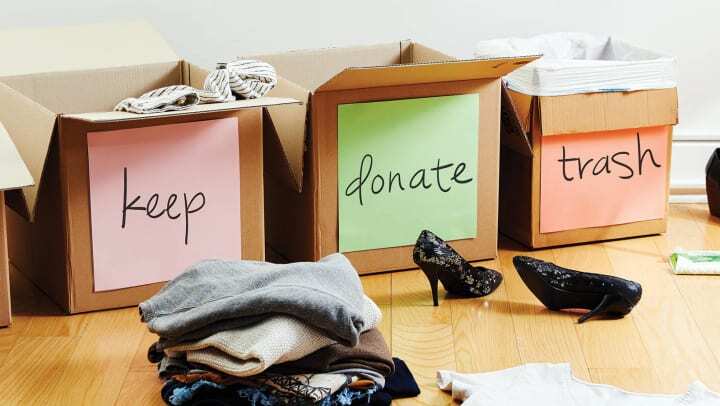
To successfully declutter your cleaning supplies under the sink, it is essential to first assess your current collection. This assessment will allow you to categorize your items based on their usage and effectiveness, ensuring that you keep only the most necessary and productive products. A thorough evaluation not only helps with organizing your space but also enhances your cleaning routine by allowing you to utilize supplies that truly serve a purpose.Begin by gathering all cleaning supplies into a single space, such as a large table or surface.
This will provide a clear view of everything you own, making it easier to categorize them based on frequency of use and necessity. This methodical approach will help streamline the process of identifying expired or ineffective products while allowing you to evaluate your collection critically.
Step-by-Step Method to Categorize Cleaning Supplies
Categorizing cleaning supplies is a systematic process that can be executed effectively through the following steps:
1. Gather All Items
Remove all cleaning supplies from under the sink and place them on a flat surface for assessment.
2. Create Categories
Establish categories based on the type of cleaning tasks. Common categories may include:
Surface cleaners
Bathroom cleaners
Kitchen cleaners
Floor cleaners
Specialty products (e.g., oven cleaner, carpet cleaner)
3. Sort Items
Place each item into its respective category. This will help you assess which types of products you have in abundance and which may be lacking.
4. Evaluate Usage Frequency
For each category, determine how often you use each product. Keep items that are used regularly and consider the necessity of less frequently used ones.
5. Identify Duplicates
Look for duplicate items within your categories. Retain only one of each necessary product to minimize clutter.
Identifying Expired or Ineffective Products
It is crucial to be vigilant about the condition of your cleaning supplies. Many cleaning products have expiration dates that, if overlooked, can lead to ineffective cleaning solutions. Here are some tips to identify such products:
Check Labels
Many cleaning products display an expiration date or a ‘best by’ date on the label. Discard any items that have passed this date.
Inspect Product Consistency
If a liquid cleaner has separated, thickened, or changed color, it may no longer be effective. Similarly, powders that have clumped together should be replaced.
Evaluate Scent
A significant change in smell may indicate that a product has spoiled and should be disposed of accordingly.
Checklist for Evaluating Necessity of Each Item
To assist in the evaluation of each cleaning supply’s necessity, use the following checklist:
- Is the product still within its expiration date?
- Have I used this product in the last six months?
- Does this product serve a specific purpose, or does another product fulfill the same function?
- Is the product safe to use in my home, considering any health concerns or allergies?
- Am I satisfied with the effectiveness of this product?
This checklist provides a structured way to determine which items to keep and which are redundant or expired. By following these steps, you can streamline your cleaning supplies and create an organized, effective cleaning area under your sink.
Organizing Cleaning Supplies

Organizing cleaning supplies effectively is crucial for maintaining an efficient and clutter-free under-sink area. Proper organization not only enhances accessibility but also encourages the consistent use of cleaning products, making your cleaning routines more efficient. With a few strategic methods, you can transform this often-overlooked space into a well-ordered and functional storage area.
Storage Solutions for Under-Sink Organization
There are various organizational methods to enhance the storage of cleaning supplies under the sink. Utilizing the right storage solutions can optimize space, reduce clutter, and ensure that every item is easily accessible. Consider the following options that cater to different needs:
- Bins: Clear, stackable bins are an excellent choice for grouping similar items. For instance, one bin can hold all-purpose cleaners, while another can be designated for sponges and cloths. This approach keeps supplies contained and prevents them from rolling around.
- Racks: Installing a small shelving unit or a tiered rack can maximize vertical space. These racks allow for multiple layers of storage, making it easy to separate larger items like bottles and sprays from smaller tools such as brushes or scrubbers.
- Lazy Susans: A rotating lazy Susan can be particularly useful in tight spaces. It enables access to items at the back without having to dig through everything, ensuring that all items can be reached with minimal hassle.
- Drawer Organizers: For cabinets with drawers, utilize drawer dividers or organizers. These can help keep bottles upright and ensure that smaller tools remain in designated areas, improving overall organization.
Labeling Items for Easy Identification
Labeling is a fundamental aspect of effective organization. By labeling containers and shelves, you create a straightforward system that enhances usability and promotes the proper placement of items. Consider the following strategies for effective labeling:
- Consistent Label Design: Use a consistent font and size for all labels to maintain a cohesive look. Consider using waterproof labels, especially for items that may be exposed to moisture.
- Descriptive Labels: Clearly describe the contents of each container or bin. Instead of simply labeling a bin as ‘cleaners,’ specify ‘All-Purpose Cleaners’ or ‘Glass Cleaners’ for easy identification.
- Color-Coding: Implementing a color-coding system can add a visual aspect to your organization. For example, use green labels for eco-friendly products and red for heavy-duty cleaners.
- Label Placement: Ensure that labels are placed in a prominent position on the front of bins or containers. This allows for quick identification of contents without needing to open every container.
“An organized space not only saves time but also promotes a sense of calm and efficiency while cleaning.”
Sustainable Decluttering Practices
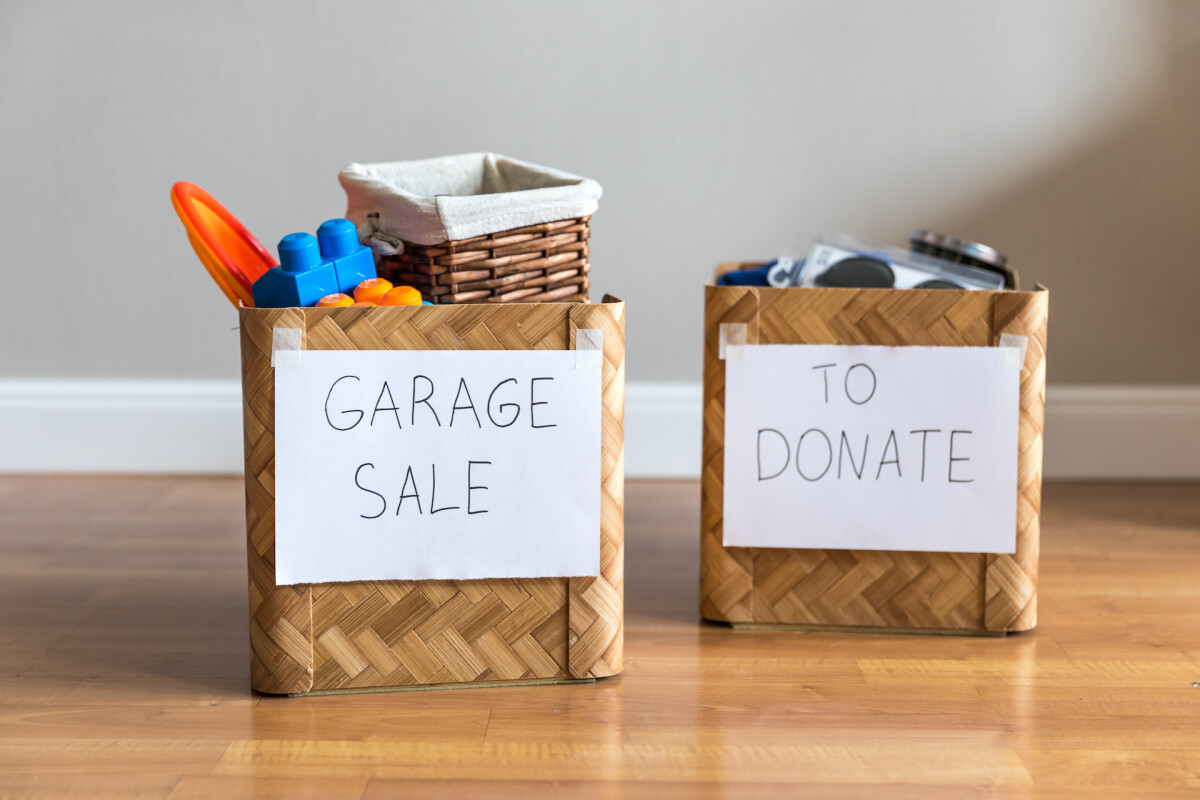
Sustainable decluttering practices not only contribute to a tidy living space but also promote environmental responsibility. By adopting eco-friendly methods for disposing of unused or expired cleaning products, recycling containers, and choosing natural alternatives, we can significantly reduce our ecological footprint while maintaining an organized home.To begin with, it is crucial to understand the importance of disposing of cleaning products safely and sustainably.
Many conventional cleaning supplies contain chemicals that can be harmful to the environment if not disposed of properly. Here are some eco-friendly methods to consider:
Eco-Friendly Disposal Methods for Cleaning Products
When it comes to disposing of cleaning supplies, there are several responsible approaches that ensure safety for both the environment and public health. These methods include:
- Local Hazardous Waste Facilities: Many communities have designated centers for the safe disposal of hazardous materials. These facilities are equipped to handle chemicals and can ensure they are processed appropriately.
- Take-Back Programs: Some retailers and manufacturers offer take-back programs for their products. Check if the brands you use have such initiatives in place, allowing you to return unused or expired items safely.
- Follow Local Regulations: Always refer to your local waste management guidelines regarding the disposal of hazardous chemicals. Following these regulations helps to prevent environmental contamination.
Recycling and Repurposing Cleaning Supply Containers
Recycling cleaning supply containers is a simple yet effective way to reduce waste. Instead of discarding them after use, consider the following methods for recycling or repurposing:
- Plastic Containers: Many plastic containers can be recycled if they are clean and free from residue. Check your local recycling guidelines to confirm which types are accepted.
- Repurpose as Storage: Use empty spray bottles and containers for other household purposes, such as storing homemade cleaning solutions, craft supplies, or gardening tools.
- Creative Projects: Engage in DIY projects by transforming containers into planters, organizers, or decorative items, adding functionality and charm to your home.
Natural Alternatives to Conventional Cleaning Products
Switching to natural cleaning alternatives not only helps in reducing clutter but also promotes a healthier living environment. Here are some effective natural substitutes:
- Baking Soda: This versatile ingredient can be used for scrubbing surfaces, deodorizing, and even unclogging drains by combining it with vinegar.
- Vinegar: White vinegar serves as a powerful disinfectant and can effectively clean glass, countertops, and bathroom fixtures without harmful chemicals.
- Essential Oils: Incorporating essential oils such as tea tree or lavender into cleaning solutions adds antibacterial properties and pleasant scents while being eco-friendly.
“Choosing natural alternatives not only declutters space but contributes to a healthier home and environment.”
Maintaining an Organized Space
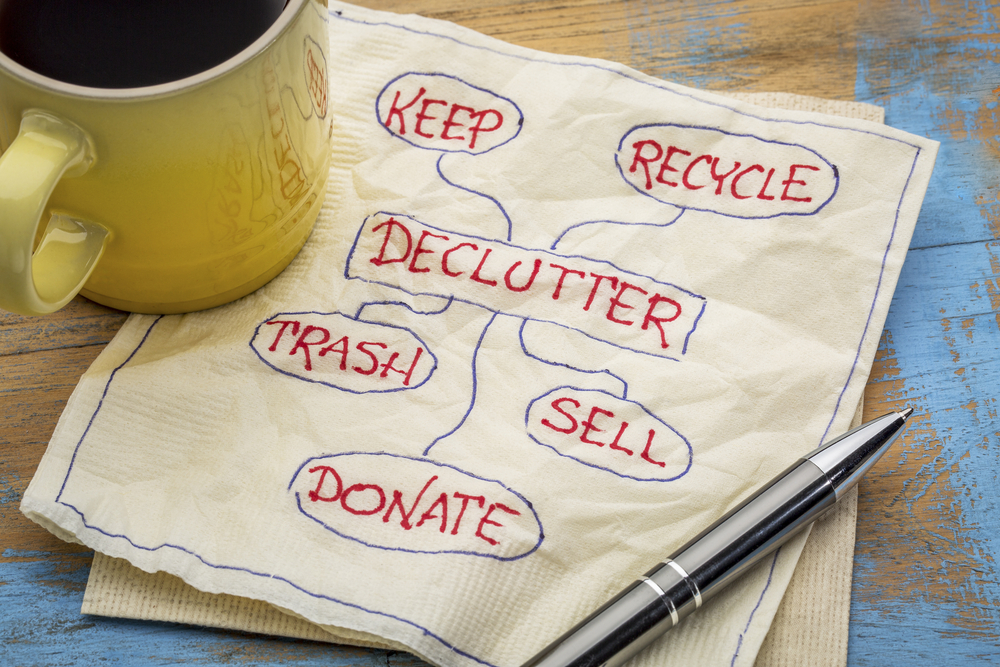
Establishing a routine for maintaining an organized space under the sink is essential for ensuring that your cleaning supplies remain accessible and clutter-free. By implementing consistent practices, you can prevent the accumulation of unnecessary items and maximize the efficiency of your cleaning regimen.
Regular Cleaning Supply Audits
Conducting regular audits of your cleaning supplies is a proactive approach to maintaining organization and preventing clutter buildup. This process involves systematically assessing the items you have, identifying those that are no longer needed, and ensuring that your collection is tailored to your current cleaning requirements. A suggested routine could be to perform these audits every three months, allowing for seasonal adjustments in your cleaning needs.
- Set a specific day each quarter to review your supplies.
- Check expiration dates on products and dispose of expired items responsibly.
- Evaluate the effectiveness of each product; consider replacing those that do not meet your expectations.
- Keep a notepad or digital list of supplies that need replenishing, which simplifies future shopping trips.
Implementing a ‘One In, One Out’ Rule
Adopting a ‘one in, one out’ policy for new products is a crucial strategy for maintaining balance in your cleaning supplies. This rule dictates that for every new item purchased, an old item must be removed from your collection. This practice helps to prevent clutter, ensuring that your storage space remains manageable and that you are not accumulating unnecessary duplicates.
“Implementing a ‘one in, one out’ rule encourages mindful purchasing and minimizes waste.”
Creating a Cleaning Schedule with Inventory Checks
Incorporating inventory checks into your cleaning schedule enhances the likelihood of maintaining an organized under-sink space. By dedicating specific times for inventory assessment within your cleaning routine, you seamlessly integrate organization into your daily life.
- Designate a day each month specifically for inventory checks as part of your cleaning routine.
- Include a section in your cleaning schedule for organizing and restocking supplies.
- Utilize a checklist format, noting the items that need to be replenished or disposed of after each audit.
- Incorporate reminders to review your cleaning supplies before major cleaning projects to ensure you have the necessary products on hand.
Wrap-Up

In conclusion, maintaining an organized space for your cleaning supplies under the sink is a rewarding endeavor that leads to greater efficiency and a safer environment. By implementing regular audits, sustainable disposal methods, and a thoughtful approach to your cleaning products, you can enjoy a clutter-free area that supports your cleaning goals.