How to Declutter Your Home After the Holidays is an essential guide for those seeking to restore order and tranquility within their living spaces following the festive season. The post-holiday period often brings with it a deluge of items, from new gifts to seasonal decorations, which can quickly overwhelm the home. Understanding the psychological and physical benefits of decluttering can empower individuals to tackle the challenge head-on, ensuring a more organized and peaceful environment.
This article delves into practical strategies and effective solutions that will not only simplify the decluttering process but also provide insightful tips on maintaining a clutter-free home throughout the year. By identifying key areas that require attention and offering a structured approach, readers will be well-equipped to embrace the new year with a refreshed and organized living space.
Understanding the Need to Declutter
The post-holiday period often brings about a sense of renewal and reflection, making it an ideal time to reassess our living spaces. Decluttering after the festivities not only aids in restoring order but also offers numerous psychological and physical benefits. A clutter-free environment can significantly enhance mood, reduce stress, and promote a clearer mindset. The act of decluttering, however, is not without its challenges.
Many individuals find it difficult to part with items that hold sentimental value or that they believe may be useful in the future. Additionally, the accumulation of gifts, decorations, and other holiday-related items can create a daunting task that may lead to procrastination. Identifying key areas that require immediate attention can simplify the process and facilitate a smoother transition into a clutter-free home.
Common Challenges Faced During Post-Holiday Decluttering
There are several obstacles that individuals often encounter while attempting to declutter their homes after the holiday season. Recognizing these challenges can help in developing effective strategies to overcome them.
- Emotional Attachment: Many people struggle to let go of items that carry emotional significance or memories, making it difficult to declutter effectively.
- Overwhelm from Accumulation: The influx of gifts and decorations can create a feeling of overwhelm, leading to inaction and clutter persistence.
- Time Constraints: Busy schedules following the holidays may limit the time available to devote to decluttering efforts.
- Lack of Organization: Without a clear plan, decluttering can become haphazard and ineffective, causing frustration and confusion.
Key Areas Requiring Attention Post-Holidays
Identifying specific areas in the home that require immediate decluttering can streamline the process and make it more manageable. Focusing on these key areas ensures a significant impact on the overall organization of the living space.
- Living Room: This space often accumulates holiday decorations, wrapping materials, and gifts that need to be sorted, stored, or discarded.
- Kitchen: The kitchen may have excess cookware, festive dishware, and food items, all of which should be evaluated for necessity and usability.
- Entryway: The entryway can become cluttered with winter clothing, shoes, and holiday accessories that need to be organized or stored away.
- Bedrooms: Many individuals receive gifts, clothing, or seasonal decorations that require sorting and either keeping or donating.
“A tidy home promotes a tidy mind; decluttering not only clears physical space but also fosters mental well-being.”
Preparation for Decluttering
Preparing for a decluttering session is crucial to ensuring an efficient and effective process. By equipping yourself with the right tools and a structured plan, you can tackle the task with confidence and clarity. This preparation phase not only helps you stay organized but also makes the decluttering experience more enjoyable and less overwhelming.To start your decluttering journey, it is essential to gather the necessary tools and supplies.
The right equipment can streamline the process and help you achieve your goals efficiently. Below are the recommended items for a successful decluttering session.
Necessary Tools and Supplies
A well-equipped decluttering session requires a variety of tools and supplies. Having these items on hand will facilitate a smoother process.
- Boxes and Bins: Use clearly labeled boxes for sorting items into categories such as ‘Keep’, ‘Donate’, ‘Sell’, and ‘Trash’. This helps in organizing your decisions effectively.
- Trash Bags: Prepare ample trash bags for items that are no longer usable or needed. This ensures quick disposal and clears space immediately.
- Markers: Keep a set of markers for labeling boxes and bins, enabling quick identification of contents.
- Cleaning Supplies: Have cleaning products available to wipe down surfaces after decluttering. This will refresh the space as you declutter.
- Measuring Tape: Use measuring tape to evaluate spaces for new organization solutions, ensuring that everything fits appropriately.
A strategic decluttering plan is vital for ensuring that each area of your home receives the attention it deserves. Creating a timeline and breaking down tasks helps to maintain focus and motivation throughout the process.
Decluttering Plan with Timelines and Specific Tasks
Designing a decluttering plan can help you stay organized and on track. By assigning specific tasks and timelines, you can approach the decluttering process methodically.
- Week 1: Living Room
- Day 1: Sort through books and magazines.
- Day 2: Clear out old electronics and cables.
- Day 3: Declutter decorative items and furniture.
- Week 2: Kitchen
- Day 1: Go through pantry items and discard expired products.
- Day 2: Review dishes and kitchen gadgets for duplicates or unwanted items.
- Day 3: Organize storage areas and clean surfaces.
- Week 3: Bedrooms
- Day 1: Sort through clothing, shoes, and accessories.
- Day 2: Declutter nightstands and dressers.
- Day 3: Organize closet space and clean under the bed.
- Week 4: Bathrooms and Miscellaneous Areas
- Day 1: Check products for expiration and discard unused items.
- Day 2: Declutter under-sink storage.
- Day 3: Organize cleaning supplies and miscellaneous spaces such as the garage or basement.
Compiling a checklist can provide a clear roadmap to follow during the decluttering process. A checklist helps you stay focused and ensures that you cover every area without overlooking important tasks.
Decluttering Checklist
A decluttering checklist serves as a tool to guide you step-by-step through the process. This structured list will help maintain momentum and provide a sense of accomplishment as you check off completed tasks.
- Gather all necessary tools and supplies.
- Set aside time blocks in your calendar for each decluttering session.
- Start with one room or area at a time.
- Sort items into designated boxes: ‘Keep’, ‘Donate’, ‘Sell’, ‘Trash’.
- Clean each area after decluttering to refresh the space.
- Dispose of trash immediately and schedule donation pickups as needed.
- Review remaining items and organize them appropriately.
- Celebrate your progress after each completed area.
By thoroughly preparing for your decluttering efforts, you set yourself up for success. These tools, plans, and checklists provide a solid foundation for minimizing clutter and transforming your home into a more organized and inviting space.
Strategies for Decluttering Different Areas
Decluttering your home after the holidays can be a rejuvenating experience, allowing you to create a more organized and inviting environment. Each area of your home presents unique challenges and opportunities for decluttering. By using targeted strategies for different spaces, you can efficiently manage the accumulation of items that often occurs during festive seasons.
Decluttering Living Rooms
The living room often becomes a hub for holiday decorations and gifts, leading to clutter that can feel overwhelming. To effectively declutter this space, consider the following methods:
1. Assess Decorations
Start by evaluating your holiday decorations.
Select Favorites
Keep only the decorations that resonate with you or hold sentimental value.
Donate or Discard
Items that no longer serve a purpose or bring joy should be donated or discarded.
2. Manage Gifts
Holiday gifts can contribute significantly to clutter.
Showcase and Store
Designate a specific area for displaying gifts that can be enjoyed daily. For items you wish to keep but do not see regularly, ensure they are stored in an organized manner to minimize distraction.
3. Create Functional Zones
Ensure every item in the living room has a designated spot.
Use Decorative Baskets
Incorporate stylish baskets to store remote controls, magazines, and other loose items.
Regular Maintenance
Schedule a monthly check to reassess and maintain the decluttered state.
Organizing Kitchens and Dining Areas
Kitchens and dining areas often experience an influx of items during the holidays, from extra dishes to decorative tableware. To bring order to these spaces, apply the following strategies:
1. Clear Countertops
Start by removing all items from kitchen countertops.
Only Keep Essentials
Return only essential items back to the counter, such as a coffee maker or toaster. Store other appliances to keep surfaces clear.
2. Organize Pantry and Cabinets
Evaluate the contents of your pantry and cabinets.
Check Expiration Dates
Dispose of any expired items and donate non-perishable foods that you will not use.
Label Containers
Use clear containers and labels for easy identification and access.
3. Streamline Dining Ware
Assess your collection of tableware, including plates, glasses, and utensils.
Limit to Essentials
Retain only those items used regularly, while donating duplicates or items that are rarely used.
Managing Clutter in Bedrooms and Personal Spaces
Bedrooms and personal spaces can become cluttered with new items received during the holidays, making an organized environment essential for relaxation. Consider these techniques for effective management:
1. Closet Reorganization
Begin by tackling your closet.
Seasonal Rotation
Transition seasonal clothing, placing off-season items in storage bins to maximize space.
Utilize Hangers
Use uniform hangers to create a more cohesive look and save space.
2. Nightstands and Dressers
Clear surfaces and drawers of unnecessary items.
Limit Essentials
Keep only the items you use daily within reach, such as a clock, reading material, or essential oils.
Implement Drawer Dividers
These can help categorize smaller items like jewelry or accessories, making them easier to find.
3. Personal Spaces
Personal areas, such as home offices or crafting spaces, can become cluttered with supplies.
Organize Supplies
Use labeled bins or shelves to keep supplies organized and easily accessible.
Establish a Clean-Out Routine
Regularly assess and remove items that are no longer needed to maintain order.
“Creating a clutter-free environment is not just about removal; it’s about making intentional choices for a more peaceful living space.”
Sorting and Categorizing Items
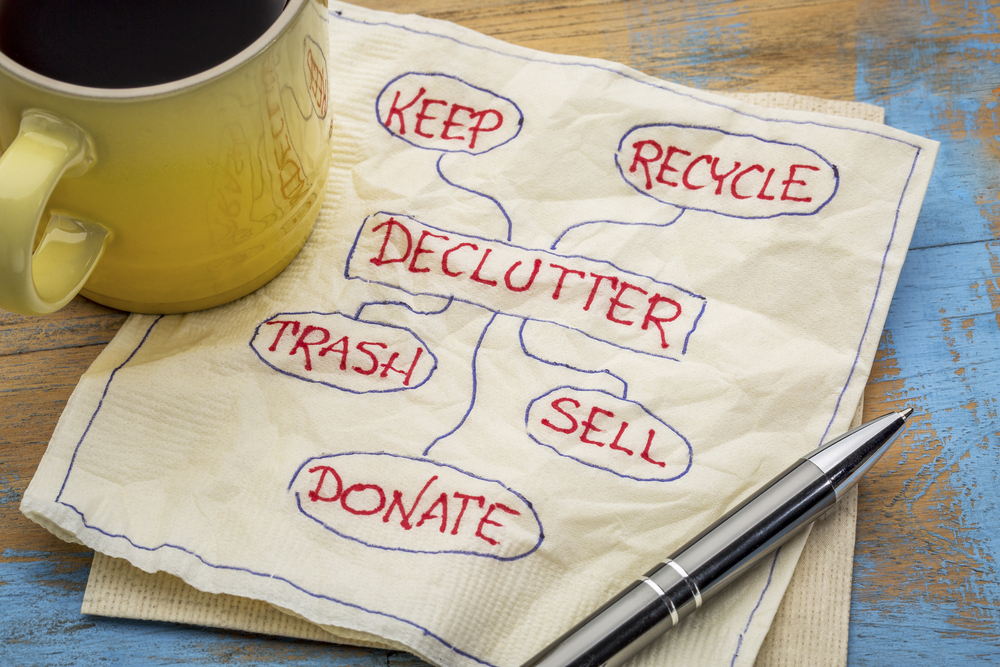
In the process of decluttering your home after the holidays, sorting and categorizing items is a crucial step that can significantly streamline your efforts. This stage involves organizing your belongings into clear categories, which not only helps in making informed decisions about what to keep or let go but also facilitates a more efficient decluttering process. By establishing a systematic approach to sorting, you can maintain focus and clarity throughout the task.Effective categorization can be achieved by dividing items into four primary groups: keep, donate, recycle, and discard.
Each category serves a specific purpose and allows you to assess the value and condition of your possessions. To enhance the organization, a color-coded system can be implemented to easily identify sorted items, making the decluttering process more visual and engaging.
Categories and Color-Coded System
Implementing a clear categorization system is essential for efficient decluttering. Each category plays a significant role in determining the fate of your belongings. The following Artikels the categorization process:
- Keep: Items that are functional, meaningful, or necessary for daily living should be retained. Use the color green to mark these items, symbolizing growth and utility.
- Donate: Items that are in good condition but no longer serve a purpose for you can be donated. Mark these with blue, representing compassion and generosity.
- Recycle: Items that can be processed to create new products should be recycled. Use yellow to indicate these items, reflecting sustainability and environmental consciousness.
- Discard: Damaged or unusable items that cannot be donated or recycled should be discarded. Red can be used to signify these items, indicating the need for removal.
The use of this color-coded system allows for quick visual identification, making it easier to navigate through your belongings as you sort.
Decision-Making Process for Sentimental Items
Sentimental items often pose a unique challenge during decluttering. These belongings hold emotional value, making it difficult to part with them. Establishing a decision-making process can aid in objectively evaluating these items. Consider the following guidelines when addressing sentimental items:
- Assess the item’s emotional significance: Reflect on why the item holds value and whether it brings joy or nostalgia.
- Limit the quantity: Choose a fixed number of sentimental items to keep, ensuring that you retain only what truly matters.
- Document instead of keeping: Take photographs of items that hold sentimental value but occupy significant space. This allows you to preserve memories without the physical clutter.
- Involve others: If the item is a shared memory, discuss with family or friends about keeping or sharing it.
Establishing this thought process can ease the emotional burden of letting go, enabling you to make clearer decisions regarding your possessions. Each of these strategies contributes to a more organized, decluttered, and serene living space, fostering a sense of clarity and peace in your home.
Effective Storage Solutions
After the busy holiday season, finding effective storage solutions becomes essential for maintaining an organized and functional home. With the influx of gifts and decorations, it is important to thoughtfully store items to create a clutter-free environment. This section will explore various storage solutions tailored for different items, focusing on innovative ideas that maximize the utility of your space.
Storage Solutions for Various Items
Tailoring storage solutions to specific categories of items is vital for efficient organization. Different types of storage can enhance accessibility and maintain a neat appearance. Here are several effective storage options for common holiday-related items:
- Bins: Plastic bins provide a durable and stackable option for storing decorations and seasonal items. Their transparent versions allow for easy visibility of contents, simplifying the process of finding what you need.
- Baskets: Woven baskets can add a touch of aesthetic appeal while effectively organizing smaller items such as gift wraps, ribbons, and crafting supplies. They can be placed on shelves or under tables for easy access.
- Shelves: Installing shelves in closets or utility rooms can greatly enhance vertical space. Using adjustable shelving allows for customization according to the height of stored items, making it easier to store both large and small items.
Maximizing Space in Closets and Storage Areas
Utilizing every inch of available space in closets and storage areas is crucial for effective organization. To achieve this, consider the following innovative ideas:
- Vertical Storage Solutions: Utilize vertical space by installing wall-mounted racks or hooks for items such as coats, bags, and seasonal decorations. This prevents overcrowding on the floor and allows for better airflow.
- Under-bed Storage: Take advantage of the space under your bed with sliding storage bins or vacuum-sealed bags. This option is ideal for seasonal clothing or blankets that are not used year-round.
- Door-Mounted Organizers: Use the backs of doors to mount organizers for shoes, accessories, or cleaning supplies. This maximizes otherwise unused space and keeps frequently used items within easy reach.
Benefits of Bins, Baskets, and Shelves
Understanding the advantages of different storage materials can aid in making informed decisions for organizing your home. Each option has distinct benefits that can cater to various organizational needs:
- Bins: Bins are excellent for stacking and can be labeled for quick identification. They are resistant to dust and damage, making them suitable for long-term storage.
- Baskets: Baskets are lightweight and easy to carry, making them ideal for transporting items that need to be moved frequently. Their aesthetic appeal makes them ideal for visible areas of the home.
- Shelves: Shelves allow for open storage, making it easier to access items without rummaging through bins or baskets. They can also be customized to fit specific spaces, providing versatility in organization.
Maintaining a Decluttered Home
Maintaining a decluttered home is essential to ensure that the sense of order achieved post-holidays is sustained. This requires consistent effort and the establishment of routines that make decluttering a natural part of everyday life. By cultivating habits that prioritize organization, individuals can prevent accumulation and the stress that often accompanies a cluttered environment.Establishing daily and weekly routines is crucial in maintaining a clutter-free home.
By incorporating simple practices into daily life, one can significantly reduce clutter. Here are some effective strategies to consider:
Daily and Weekly Routines
Creating a specific schedule for decluttering activities can enhance productivity and keep spaces organized. The following routines can be integrated easily into daily life:
- Daily Clean-Up: Dedicate 10-15 minutes each day for a quick tidy-up, focusing on high-traffic areas such as the living room and kitchen.
- One In, One Out Rule: For every new item brought into the home, commit to removing an existing item. This helps control the overall volume of possessions.
- Weekly Declutter Sessions: Set aside time each week for deeper decluttering efforts in specific areas of the home, such as a closet or office space.
- Evening Reset: Before bedtime, take a few moments to put away items that may have accumulated throughout the day, ensuring a fresh start each morning.
Instilling a decluttering mindset in family members is equally important. It fosters a collective responsibility for maintaining an organized space. To achieve this, consider the following approaches:
Instilling a Decluttering Mindset
Encouraging family involvement can create a supportive environment for maintaining organization. Here are some effective methods:
- Lead by Example: Demonstrate decluttering practices and involve family members in the process, making it a shared activity.
- Create a Decluttering Challenge: Organize friendly competitions, such as who can declutter the most items in a week, to engage everyone’s enthusiasm.
- Discuss the Benefits: Talk about the advantages of a clutter-free home, including reduced stress and improved productivity, to motivate family members.
Designing a personal maintenance plan is essential for ongoing organization. Regular decluttering sessions throughout the year help keep clutter at bay. The following Artikel can serve as a guideline:
Personal Maintenance Plan
Establishing a maintenance plan ensures that decluttering becomes a routine rather than a one-time effort. The following components are key to an effective plan:
- Seasonal Decluttering: Schedule a thorough decluttering session at the beginning of each season to assess belongings and remove items that are no longer needed.
- Monthly Check-Ins: Allocate time each month to review specific areas of the home, ensuring they remain organized and clutter-free.
- Set Goals: Define clear decluttering goals for the year, such as minimizing belongings by a certain percentage or focusing on specific areas that require attention.
- Utilize a Decluttering App: Embrace technology to set reminders and track progress, keeping decluttering efforts organized and goal-oriented.
“Consistency is key to maintaining a healthy, clutter-free environment; small daily efforts lead to significant long-term results.”
Recycling and Donation Options
![Efficiently Declutter Your House in Just One Week [Day by Day Plan]](https://solusmu.web.id/wp-content/uploads/2025/09/Declutter-14.jpg "Efficiently Declutter Your House in Just One Week [Day by Day Plan]")
As you embark on the journey of decluttering your home after the holidays, it is essential to consider the impact of your unwanted items on the environment and your community. Proper recycling and donation practices enable you to give new life to items you no longer need while supporting local charities and ensuring responsible disposal of materials. This segment will guide you through local resources for donation, the importance of recycling holiday materials, and how to find suitable charitable organizations for your donations.
Local Resources for Donation and Electronic Waste Management
Many local organizations and charities accept a variety of items, ensuring that your unwanted possessions can benefit others. It is crucial to research specific local resources, as they may have unique requirements for donations. Here are some notable options:
- Thrift Stores: Many thrift stores, such as Goodwill or Salvation Army, accept clothing, household items, and electronics. They often provide a convenient drop-off service.
- Homeless Shelters: These facilities frequently welcome donations of clothing, toiletries, and non-perishable food items.
- Food Banks: Many local food banks appreciate contributions of canned goods and other shelf-stable food items, especially after the holiday season.
- Electronic Waste Collection: Local municipalities often host e-waste collection events or have designated drop-off locations for recycling old electronics, ensuring they are disposed of properly.
Importance of Recycling Holiday Materials and Packaging
The holiday season often generates an overwhelming amount of waste, including wrapping paper, boxes, and decorative materials. Understanding the importance of recycling these items responsibly contributes significantly to environmental sustainability. Here are a few key points:
- Reducing Landfill Waste: Recycling holiday materials helps divert waste from landfills, which is critical for minimizing environmental impact.
- Conserving Resources: Recycling materials like paper and cardboard reduces the need for new raw materials, conserving forests and energy.
- Promoting Community Awareness: Participating in recycling initiatives encourages others to follow suit, fostering a community mindset towards sustainability.
Guidelines for Finding Charitable Organizations
Successfully finding charitable organizations that accept specific types of donations can be achieved by following these guidelines. This ensures your items reach the right people who need them most:
- Research Online: Utilize websites like VolunteerMatch or local charity directories to find organizations that align with your values and accept specific items.
- Contact Organizations Directly: Calling or emailing charities can clarify what items they need and any special requirements they may have for donations.
- Check Social Media Groups: Local community groups on platforms like Facebook often share information about donation drives and needs within the community.
- Visit Local Libraries or Community Centers: These locations often have bulletin boards or information on upcoming donation drives or local charities.
“Giving is not just about making a donation. It is about making a difference.” – Kathy Calvin
Reflecting on Consumer Habits

The period following the holidays often prompts a necessary reflection on our consumer habits. The excitement of gift-giving and festive shopping can lead to unintentional clutter within our homes. Understanding how holiday spending influences our living spaces is crucial for making informed purchasing decisions in the future. This reflection can help cultivate a more mindful approach to consumption that benefits both our homes and our overall well-being.
Recognizing the impact of holiday spending on home clutter is essential to preventing similar situations in the future. Many individuals find themselves overwhelmed by the accumulation of items received as gifts or purchased during sales. This cycle of consumption not only contributes to physical clutter but also has implications for our emotional and financial health. By taking the time to assess our consumption patterns, we can identify areas where we may need to exercise greater restraint and mindfulness.
Evaluating Personal Consumption Patterns
Engaging in a reflective practice provides an opportunity to critically assess personal consumption patterns. It is important to consider the motivations behind our purchasing decisions, particularly during the holiday season. This evaluation can assist in fostering a more intentional relationship with the items we bring into our homes.
To effectively evaluate consumption habits, individuals can follow these steps:
- Identify Triggers: Recognize situations or emotions that lead to impulsive buying, such as stress or the desire to impress others.
- Analyze Purchases: Review recent purchases and assess their necessity, usage, and impact on your living space.
- Track Spending: Maintain a record of holiday spending to understand financial habits and their correlation with clutter accumulation.
- Set Personal Guidelines: Establish guidelines for future purchases, such as limiting the number of items bought during sales or opting for experiences over material goods.
Reflecting on these factors can enable individuals to make conscious decisions about their shopping habits moving forward.
Developing Mindful Shopping Habits
Creating a plan for mindful shopping habits is essential in curbing future clutter. Individuals can implement strategies that promote intentional purchasing, ensuring that new items align with their lifestyle and values.
To foster mindful shopping, consider the following practices:
- Make a Shopping List: Develop a list before shopping to focus on specific needs rather than succumbing to impulse buys.
- Adopt the One-In-One-Out Rule: Commit to removing an item from your home for every new item purchased, maintaining balance and reducing clutter.
- Prioritize Quality Over Quantity: Invest in high-quality items that will last longer and serve a practical purpose, rather than opting for cheaper, less durable alternatives.
- Delay Gratification: Implement a waiting period before making a purchase to assess whether the item is truly necessary.
By incorporating these strategies into daily life, individuals can cultivate a more thoughtful approach to shopping that minimizes clutter while enhancing personal satisfaction with their possessions.
“Mindful consumption is not about deprivation; it is about making choices that are intentional and aligned with our values.”
Last Recap

In conclusion, mastering the art of decluttering after the holidays is a rewarding endeavor that paves the way for a more enjoyable and harmonious home. By implementing the strategies discussed, individuals can navigate the challenges of post-holiday clutter and create a sustainable system that fosters a clutter-free lifestyle. As we reflect on our consumption habits, let us commit to making mindful choices that contribute not only to our homes but also to our overall well-being.