How to Declutter Your Home to Prepare for a New Baby is an essential guide that prepares expectant parents for the transformative journey ahead. As the excitement of welcoming a new life fills the air, it is equally important to create a serene and organized environment that fosters comfort and safety. This process not only alleviates stress but also ensures that the space is functional, welcoming, and equipped for a child’s needs.
In this comprehensive exploration, we will delve into effective strategies for decluttering each room, from living areas to the nursery, while addressing emotional challenges and fostering family involvement. A well-structured approach will transform the home into a nurturing haven for both parents and their new baby, ensuring that every corner is thoughtfully organized and ready for the joys of parenthood.
Preparation for Decluttering
Preparing for the arrival of a new baby is an exciting time filled with joy and anticipation. However, it can also bring about a sense of overwhelm, especially when it comes to creating a safe and organized environment for your little one. Decluttering your home before the baby’s arrival is an essential step that not only provides more space but also helps reduce stress and improves the overall atmosphere of your home.Decluttering is crucial as it allows you to create a welcoming space that is not only functional but also safe for your newborn.
Babies require a significant amount of gear and supplies, and having a tidy environment ensures that everything has its place. A clutter-free home can prevent accidents and make it easier to find essential items when you need them. Starting the decluttering process well in advance of the baby’s arrival allows for a gradual approach, making it manageable and less daunting.
Timeline for Initiating the Decluttering Process
Creating a timeline for decluttering is essential to ensure that the process is completed efficiently and effectively. A structured approach will help you track your progress and keep you motivated. Below is a suggested timeline that can guide you through the decluttering process, ideally starting at least three months prior to your due date.
- Three Months Before Arrival: Begin by assessing your entire home. Identify areas that need the most attention, such as the nursery, living room, and storage spaces. Create a list of categories for items to declutter, such as baby items, clothing, and general household items.
- Two Months Before Arrival: Focus on one room or area at a time. Start with the nursery; remove items that are no longer needed or can be donated. Organize baby supplies, ensuring that only essential items remain.
- One Month Before Arrival: Continue with the decluttering process in other areas of the home. Organize your living spaces by removing unnecessary furniture or décor that may pose hazards. Ensure that pathways are clear and that any fragile items are out of reach.
- Final Two Weeks: Conduct a final sweep of each room. Dispose of any trash, recycle what can be recycled, and donate or sell items that are still in good condition. This is also the time to set up the baby’s sleeping area and organize baby essentials for easy access.
Necessary Supplies for Decluttering
Having the right tools and supplies can significantly enhance your decluttering efforts. Below is a list of essential supplies that will aid you during the process, making it more organized and efficient.
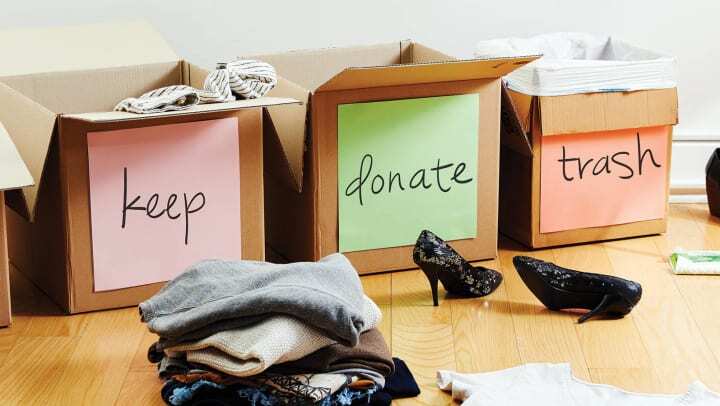
- Boxes or Bins: Use sturdy boxes or bins to categorize items by their intended purpose, such as donation, keep, or discard. Label each box clearly to avoid confusion later.
- Trash Bags: Keep a supply of trash bags handy for quick disposal of items that are broken or no longer useful.
- Markers: Use markers to label boxes and bins, ensuring that everyone in the household understands what goes where.
- Cleaning Supplies: Gather cleaning supplies to wipe down surfaces once items are removed. This will also prepare the area for the new baby.
- Donation Schedule: Plan ahead for drop-off or pick-up arrangements for donated items. This will help you avoid clutter build-up as you declutter.
“A clutter-free space is not just about aesthetics; it’s about creating a calm and safe environment for your growing family.”
Room-by-Room Decluttering Strategy
Preparing for a new baby can be an exciting yet overwhelming time, particularly when it comes to ensuring that your home is ready and welcoming. A systematic room-by-room decluttering strategy can ease this transition by creating a nurturing environment. This approach allows you to tackle the task in manageable segments, ensuring that no space is overlooked and that you maximize the utility of each room.To effectively declutter each area of your home, it is essential to have a clear plan in place.
This plan should guide you through the process of evaluating what to keep, donate, or discard while considering the needs of your growing family. By following a structured checklist for each room, you can streamline your efforts, making the process less daunting and more rewarding.
Checklist for Living Areas
The living area is often the heart of the home, and it should reflect a welcoming atmosphere. Here is a checklist to assist with decluttering this important space:
- Remove items that do not belong in the living area, such as old magazines, broken furniture, or miscellaneous items.
- Evaluate decorative items, keeping only those that hold sentimental value or enhance the room’s aesthetic.
- Organize any electronic devices and cables, ensuring they are neatly stored or concealed.
- Consider the functionality of furniture; opt for pieces that provide storage solutions.
Checklist for Bedrooms
A serene bedroom environment is vital for rest and relaxation, particularly as you prepare for your new arrival. The following checklist will help you create a peaceful sanctuary:
- Sort through clothing, keeping only those items that fit and are regularly worn.
- Evaluate bedding and linens; discard or donate any that are worn out or no longer serve a purpose.
- Clear surfaces to eliminate clutter, leaving space for essential items only.
- Ensure that storage solutions, such as drawer organizers and bins, are in place for easy access to belongings.
Checklist for Nursery Preparation
The nursery is a special room that requires thoughtful organization to accommodate the needs of your baby. Use this checklist for effective nursery preparation:
- Choose essential furniture items, such as a crib, changing table, and comfortable rocking chair.
- Sort through baby clothes, keeping only those that are in good condition, organized by size and season.
- Organize baby supplies, including diapers, wipes, and clothing, in clearly labeled bins for easy access.
- Remove any items that may pose safety hazards, ensuring the nursery is a secure environment.
Room-Specific Steps and Considerations
The following table Artikels steps for each room, along with considerations for items to keep or discard:
| Room | Steps | Items to Consider Keeping | Items to Consider Discarding |
|---|---|---|---|
| Living Area |
|
|
|
| Bedrooms |
|
|
|
| Nursery |
|
|
|
“A well-organized home is a foundation for peace and harmony, especially with a little one on the way.”
Sorting and Categorizing Items
To effectively declutter your home in preparation for a new baby, sorting and categorizing items is a vital step. This process allows you to make informed decisions about which items to keep, donate, sell, or discard, thereby creating an organized space that is conducive to welcoming your new arrival.When undertaking the task of sorting, it is helpful to have a clear method for categorizing your belongings.
By designating specific areas for each category, you streamline the decluttering process and make it more manageable. This approach also minimizes the chance of items getting mixed up, ensuring that each decision is deliberate and considered.
Methods for Sorting Items
Establishing a systematic approach to sorting your belongings can significantly enhance the efficiency of the decluttering process. Consider the following steps:
1. Gather Supplies
Before you begin, collect boxes or bins labeled as “Keep,” “Donate,” “Sell,” and “Discard.” This will help you sort items quickly and effectively.
2. Room-by-Room Focus
Work through your home one room at a time. This prevents feeling overwhelmed and allows for a more thorough evaluation of items.
3. Evaluate Each Item
As you handle each item, ask yourself the following:
Do I use this item regularly?
Does it hold significant sentimental value?
Is it in good condition?
Would I buy this item again today?
Based on your answers, place the item in the appropriate category.
4. Designated Areas
Create designated areas in your home for each category. This could be a corner of the room or a separate space altogether. By doing this, you will be able to see at a glance how much you are keeping, donating, selling, or discarding.
5. Set a Time Limit
Allocate a specific amount of time for each sorting session. This keeps you focused and prevents you from dwelling too long on any single item.
6. Review and Reflect
Once you have sorted all items in a room, take a moment to review each category. Ensure that you are comfortable with your decisions and adjust as necessary.By implementing these methods, you can refine your sorting process and create a more organized environment for your new baby’s arrival.
“The goal of decluttering is not just to remove items, but to create a space that reflects your priorities and values.”
Involving Family and Friends

Enlisting the help of family and friends can transform the decluttering process from a daunting task into a collaborative effort filled with support and motivation. Engaging others not only lightens the workload but also fosters a sense of community and shared purpose as you prepare for the arrival of your new baby. Involving loved ones can provide emotional support, practical assistance, and even make the decluttering process enjoyable.One effective strategy for delegating tasks among family members is to assign specific roles based on individual strengths and preferences.
This not only helps streamline the decluttering process but also allows each person to contribute in a way that suits them best. Here are some practical techniques for delegating tasks effectively:
Delegation Techniques
When delegating tasks, clear communication and organization are essential. Below are several methods to help structure the delegation process:
- Identify Strengths: Recognize the unique skills of family members. For instance, some may be exceptional at organizing, while others may excel at sorting through items.
- Set Clear Goals: Define specific objectives for each session, such as “declutter the nursery” or “organize the living room.” This provides focus and purpose.
- Establish Timeframes: Set a timeline for each task to maintain productivity and encourage participation. Short, focused sessions can prevent overwhelm.
- Rotate Roles: Encourage family members to take turns in different roles during the decluttering process, ensuring variety in tasks and keeping everyone engaged.
- Provide Recognition: Acknowledge everyone’s contributions, fostering a sense of accomplishment and encouraging continued involvement.
Organizing a decluttering party is another fantastic way to motivate family and friends while tackling the necessary tasks. This approach not only enhances efficiency but also makes the experience enjoyable. Here are some tips for hosting a successful decluttering event:
Organizing a Decluttering Party
To create an inviting atmosphere, consider the following elements when planning your decluttering party:
- Create a Welcoming Environment: Set up your space with comfortable seating, snacks, and drinks to make participants feel at home.
- Provide Supplies: Gather necessary supplies such as boxes, garbage bags, and markers for labeling to facilitate the process.
- Incorporate Music: Play upbeat music to create a lively environment that keeps spirits high and encourages teamwork.
- Include Breaks: Schedule regular breaks to maintain energy levels and promote social interaction among participants.
- Celebrate Achievements: At the end of the event, take time to reflect on the accomplishments and enjoy a small celebration, like sharing a meal or dessert.
“Many hands make light work.”
Involving family and friends in your decluttering journey not only eases the task at hand but also strengthens bonds and creates lasting memories. By effectively delegating tasks and organizing engaging gatherings, you can transform the process into an enjoyable and productive experience as you prepare your home for the new arrival.
Creating a Functional Nursery Space
Creating a functional nursery space is crucial for parents preparing to welcome a new baby. This space not only serves as a sleeping area but also as a place for feeding, changing, and bonding with the child. Designing the nursery with care can enhance comfort and convenience, ensuring that parents have everything they need at their fingertips.To effectively set up a nursery, one must consider the essential items required for a baby’s care and comfort.
A well-equipped nursery will include furniture, storage solutions, and safety features. It is also important to create an inviting atmosphere that promotes relaxation and bonding. The following sections will delve into the essential items to include in the nursery and provide a comparative overview of different nursery setups.
Essential Items for the Nursery
When designing a nursery, incorporating specific essential items can significantly enhance functionality and comfort for both the baby and parents. Below is a list of items that are typically necessary for a nursery:
- Crib: A safe sleeping environment is critical. Select a crib that meets current safety standards and can be adjusted as the baby grows.
- Changing table: This dedicated space is crucial for diaper changes and can also include storage for diapers and wipes.
- Nursing chair: A comfortable chair is important for feeding and soothing the baby, preferably one that allows easy access to storage for essentials.
- Dresser or storage unit: Adequate storage for clothing and baby supplies helps keep the nursery organized and clutter-free.
- Swaddle blankets and sleep sacks: These items are essential for keeping the baby warm and secure during sleep.
Comparing Nursery Setups
The setup of a nursery can vary widely based on space, budget, and personal preferences. Below is a comparative table outlining the pros and cons of different nursery setups, which can aid in making informed decisions.
| Type of Nursery Setup | Pros | Cons |
|---|---|---|
| Dedicated Nursery Room |
|
|
| Shared Bedroom |
|
|
| Multipurpose Room |
|
|
“A well-planned nursery not only nurtures a baby’s needs but also promotes efficient caregiving for parents.”
Sustainable Discarding Practices
![Efficiently Declutter Your House in Just One Week [Day by Day Plan]](https://solusmu.web.id/wp-content/uploads/2025/09/Declutter-12.jpg "Efficiently Declutter Your House in Just One Week [Day by Day Plan]")
As you prepare your home for the arrival of a new baby, it’s essential to consider sustainable decluttering practices. Not only does responsible discarding benefit the environment, but it also helps other families in need. Implementing eco-friendly options for donating or recycling items can contribute to a more sustainable future while ensuring that your unwanted items are put to good use.When decluttering, it’s crucial to identify which items can be donated or recycled and which must be responsibly discarded.
Many organizations accept donations of baby-related items, and understanding the process for responsibly discarding non-donatable items is equally important. Here is a structured approach to sustainable discarding practices.
Eco-Friendly Donation and Recycling Options
Engaging in sustainable practices is not only beneficial for the environment but also assists those in need. Various organizations and programs welcome donations of baby items, and local recycling initiatives can handle non-donatable goods.
Donation Centers
Local charities, shelters, and thrift stores often accept gently used baby clothes, toys, and equipment. Organizations such as Goodwill and The Salvation Army are common choices for donating items.
Community Groups
Many online community groups, such as Freecycle and Buy Nothing groups, allow people to give away items for free within their neighborhoods. This promotes reuse and reduces waste.
Baby-Specific Organizations
Some nonprofits specialize in providing baby supplies to families in need, such as Baby2Baby and The Cradle. These organizations often accept donations of diapers, formula, and gently used clothing.
Recycling Facilities
For items that cannot be donated, locate a recycling facility that accepts specific materials like plastics or textiles. Many municipalities offer curbside recycling programs that can help ensure that recyclables are processed properly.
Responsible discarding practices not only foster a cleaner environment but also provide essential items to those in need.
Process for Responsible Discarding of Non-Donatable Items
When you encounter items that are no longer usable or suitable for donation, it is important to dispose of them in an environmentally conscious manner. Understanding the proper procedures for discarding these items will help reduce landfill waste.
Identify Non-Donatable Items
Items that are damaged, expired, or heavily worn are generally not suitable for donation. This includes cribs that do not meet current safety standards, expired baby formula, or broken toys.
Hazardous Waste
Certain items, such as batteries or electronics, require special handling. Research local hazardous waste collection days or facilities that accept these materials.
Composting
If you have biodegradable items, such as cardboard boxes or organic materials, consider composting them to reduce waste and create nutrient-rich soil for gardening.
Trash Disposal
For items that cannot be recycled or composted, ensure they are disposed of correctly in your regular trash, following any local regulations regarding waste disposal.By engaging in these sustainable discarding practices, you can ensure that your home is prepared for the new addition while contributing positively to the community and the environment.
Maintenance Tips Post-Decluttering
Maintaining a clutter-free environment after decluttering is essential, especially when preparing for the arrival of a new baby. By implementing effective strategies and routines, families can ensure that their homes remain organized and functional. This section provides insights into maintaining your newly decluttered space, offering practical tips and habits that can be integrated into daily life.
Strategies for Maintaining a Clutter-Free Environment
Establishing a clutter-free environment requires ongoing effort and commitment. The following strategies can help sustain the organization achieved through decluttering:
- Daily Tidying Routine: Dedicate a few minutes each day to tidy up common areas. This prevents clutter from accumulating and keeps spaces inviting.
- One In, One Out Principle: For every new item brought into the home, consider removing an existing item. This rule helps regulate possessions and prevents overload.
- Designate a “Clutter Catcher” Zone: Identify a specific area for items that don’t have an immediate home. Regularly assess and clear this space to prevent overflow.
- Weekly Check-Ins: Schedule a recurring time each week to review spaces, ensuring they remain organized. This proactive approach can identify clutter before it becomes overwhelming.
Routine for Regular Checks
Creating a routine for regular checks is crucial to preventing clutter accumulation. Incorporating specific times for evaluations can significantly improve organization.
- Weekly Room Review: Each week, choose a different room to inspect. Assess areas where clutter typically collects, such as countertops or floors, and address any disorganization.
- Monthly Deep Clean: Once a month, perform a thorough clean and declutter of each room. This ensures that no area is neglected, and it also reinforces a clean environment.
- Seasonal Organization Days: Every season, dedicate a day to reorganize and assess items. This is particularly helpful for clothing and toys, as seasons change and new items are introduced.
Habits to Instill in the Family
Encouraging family members to adopt organization habits can significantly enhance the maintenance of a clutter-free home. Establishing a culture of tidiness is beneficial for everyone.
- Teach Children to Clean Up After Themselves: From an early age, encourage children to put away their belongings after use. Simple reminders can instill this habit.
- Involve Family in Decluttering: Make decluttering a family activity. Discuss items together and decide what should stay or go, fostering a collective responsibility towards organization.
- Set Up Organizational Systems: Clearly labeled storage bins or baskets encourage family members to return items to their designated places, thereby reducing clutter.
- Promote Minimalism: Foster a mindset that values quality over quantity. Encourage family members to be mindful of the items they choose to keep, focusing on what truly adds value to their lives.
Adopting these strategies and habits will significantly contribute to a long-lasting decluttered environment, ultimately benefiting the entire family as you prepare for your new arrival.
Emotional Aspects of Decluttering
Decluttering is not merely a physical act; it also carries significant emotional weight. The process can unearth feelings tied to memories, identity, and the future, especially when preparing for the arrival of a new baby. Understanding these emotional challenges is crucial for a successful decluttering journey.The emotional aspects of decluttering can manifest in various ways, including feelings of guilt for parting with items, anxiety about making the right decisions, and nostalgia linked to memories associated with possessions.
It is essential to acknowledge these feelings rather than suppress them, as they are a natural part of the process. Embracing the emotional journey can lead to personal growth and a sense of relief once the decluttering is complete.
Emotional Challenges During Decluttering
During the decluttering process, individuals may confront several emotional challenges that complicate their ability to let go of items. Recognizing these challenges can help create a healthier approach to decluttering. Some common emotional challenges include:
- Attachment to Items: Many people develop sentimental connections to objects that hold personal histories or memories, making it difficult to part with them.
- Fear of Regret: The worry of possibly needing an item in the future can create hesitance in the decision-making process.
- Overwhelm: The sheer volume of items can lead to feelings of being overwhelmed, making it challenging to start or maintain momentum.
- Guilt: Feelings of guilt can arise when considering the disposal of gifts or inherited items, leading to inner conflict.
Coping Mechanisms for Attachment to Items
When grappling with attachment to items, it is helpful to implement coping mechanisms that facilitate emotional resilience. The following strategies can assist in managing these challenging emotions:
- Reflect on Memories: Before parting with an item, take a moment to reflect on the memories it evokes. Consider writing these memories down in a journal to preserve the emotion without retaining the physical object.
- Set Limits: Establish a predetermined number of items to keep based on practicality and space rather than sentimentality. This can help create a sense of control over the process.
- Involve Supportive Friends or Family: Seek the support of trusted individuals who can provide an outside perspective, help in decision-making, and reinforce the positive aspects of decluttering.
- Focus on the Future: Remind yourself that decluttering creates space for new experiences and memories, particularly as you prepare for the arrival of a baby.
Celebrating Progress and Acknowledging Emotional Growth
Recognizing and celebrating your progress throughout the decluttering process is vital for emotional well-being. Doing so reinforces positive behavior and encourages continued growth. Here are ways to celebrate accomplishments:
- Set Milestones: Establish specific goals, such as completing a room or a category of items, and celebrate when you reach these milestones.
- Create a Visual Representation: Document your decluttering journey with before-and-after photos to visualize the transformation, which can serve as a source of motivation.
- Reward Yourself: Treat yourself to a small reward for your efforts, whether it’s a relaxing evening, a special meal, or purchasing a necessary item for the new baby.
- Reflect on Emotional Growth: Take time to journal about your feelings during the process and how you’ve grown emotionally, which can highlight the significant personal development that comes with decluttering.
Conclusion

In conclusion, embarking on the journey of decluttering your home in preparation for a new baby is not merely a task but a meaningful endeavor that paves the way for a harmonious family life. By employing systematic techniques and engaging loved ones in the process, parents can create a nurturing space that reflects both practicality and warmth. As you complete this journey, remember to celebrate each step taken towards a cleaner, more organized home, and embrace the new chapter that awaits you and your growing family.