How to Declutter Your Living Room for a Relaxing Space invites you to transform your living area into a serene retreat, where clutter no longer disrupts your peace. The living room, often considered the heart of the home, can easily become overwhelmed by various items that detract from its intended function: relaxation and comfort. Understanding the elements that contribute to clutter and its psychological impact is the first step towards creating a harmonious environment.
In this comprehensive guide, we will explore how to assess your living room, implement effective decluttering strategies, and maintain an organized space that promotes tranquility. By categorizing items, utilizing practical storage solutions, and personalizing your decor thoughtfully, you can foster a living room that is not only tidy but also inviting and calming.
Understanding Clutter
Clutter in a living room can transform a serene environment into a chaotic space, hindering relaxation and comfort. Understanding what clutter consists of and its implications is essential for creating a tranquil living area. This section will explore the definition of clutter, the common types found in living rooms, and the psychological effects it has on mental well-being.
Definition of Clutter
Clutter is defined as the accumulation of items that obstruct, disorganize, or diminish the functionality of a space. In a living room setting, clutter can be anything from scattered magazines and empty coffee cups to unused furniture and excessive decorative items. The presence of clutter often leads to a sense of overwhelm, making it difficult to enjoy the space.
Common Types of Clutter
Identifying common types of clutter is crucial for effective decluttering. The following list highlights prevalent forms of clutter in living rooms:
- Physical Clutter: Items such as clothing, toys, or equipment that are out of place.
- Papers and Documents: Unsorted mail, newspapers, and important documents that are not organized.
- Furniture Clutter: Overly large or unnecessary furniture pieces that consume space and disrupt flow.
- Decorative Clutter: An excess of decorative items that make the space feel crowded and chaotic.
- Tech Clutter: Unused electronic devices, cables, and remote controls that contribute to visual disarray.
Psychological Impact of Clutter
The psychological effects of clutter on relaxation and mental well-being are profound. Numerous studies have shown that clutter can lead to increased stress levels, anxiety, and difficulty concentrating. A cluttered environment often evokes feelings of shame and embarrassment, impacting one’s ability to unwind.
“Clutter is not just physical; it’s a reflection of our emotional state and contributes to our overall mental wellness.”
Creating a clean and organized living room can have a transformative effect on mental health. Individuals may experience improved focus, reduced stress, and a heightened sense of control over their environment. A clear space fosters a clear mind, enhancing the overall living experience and promoting relaxation.
Assessing Your Living Room
![Efficiently Declutter Your House in Just One Week [Day by Day Plan]](https://solusmu.web.id/wp-content/uploads/2025/09/Declutter-1.jpg "Efficiently Declutter Your House in Just One Week [Day by Day Plan]")
Evaluating the current state of your living room is a crucial step in the decluttering process. This assessment allows you to understand the extent of clutter and identify specific areas that require attention. By taking a systematic approach, you can create a more organized and relaxing environment.To effectively assess your living room, consider the following steps. Begin by observing the overall layout and flow of the space.
Note any items that disrupt the harmony or functionality of the room. You should also take stock of furniture placement, decorative elements, and storage solutions that may be underutilized or ineffective.
Checklist for Identifying Areas of Concern
Utilizing a checklist can streamline your assessment and help pinpoint specific areas needing improvement. The following points guide you in evaluating potential clutter hotspots.
- Survey all surfaces: check tables, shelves, and countertops for accumulated items.
- Evaluate furniture arrangement: consider whether seating and tables promote easy movement and conversation.
- Inspect storage areas: assess closets, cabinets, and drawers for overflow and disorganization.
- Observe floor space: identify if items are obstructing walkways or creating tripping hazards.
- Review decorative objects: determine if the number of decorative items feels overwhelming or cluttered.
Assessing these areas will provide a comprehensive overview of your living room’s clutter situation.
Categorizing Items as Essential or Non-Essential
Categorizing items in your living room is vital for effective decluttering. Distinguishing between essential and non-essential items helps prioritize what to keep and what to remove. Implement the following methods to facilitate this categorization.
- Use the “one-year rule”: If you have not used or needed an item in the past year, it may be non-essential.
- Ask critical questions: Consider whether each item serves a purpose or brings you joy.
- Create zones: Designate areas for different uses (e.g., reading, entertainment) and evaluate whether items in those zones contribute meaningfully.
- Involve others: Discuss with family members or housemates to gain different perspectives on item value and necessity.
Incorporating these strategies will streamline the process of determining which items enhance your living room and which contribute to clutter.
“Clutter isn’t just what you see; it’s also what you don’t see.”
Strategies for Decluttering
Decluttering your living room is a transformative process that not only enhances the aesthetics of your space but also contributes to a more relaxed and inviting atmosphere. Implementing effective strategies can turn a chaotic living area into a serene sanctuary. The following sections Artikel a step-by-step approach to guide you through the decluttering journey.
Step-by-Step Process for Decluttering Your Living Room
A systematic approach is essential when decluttering your living room to ensure efficiency and effectiveness. The following steps provide a clear path to a more organized space:
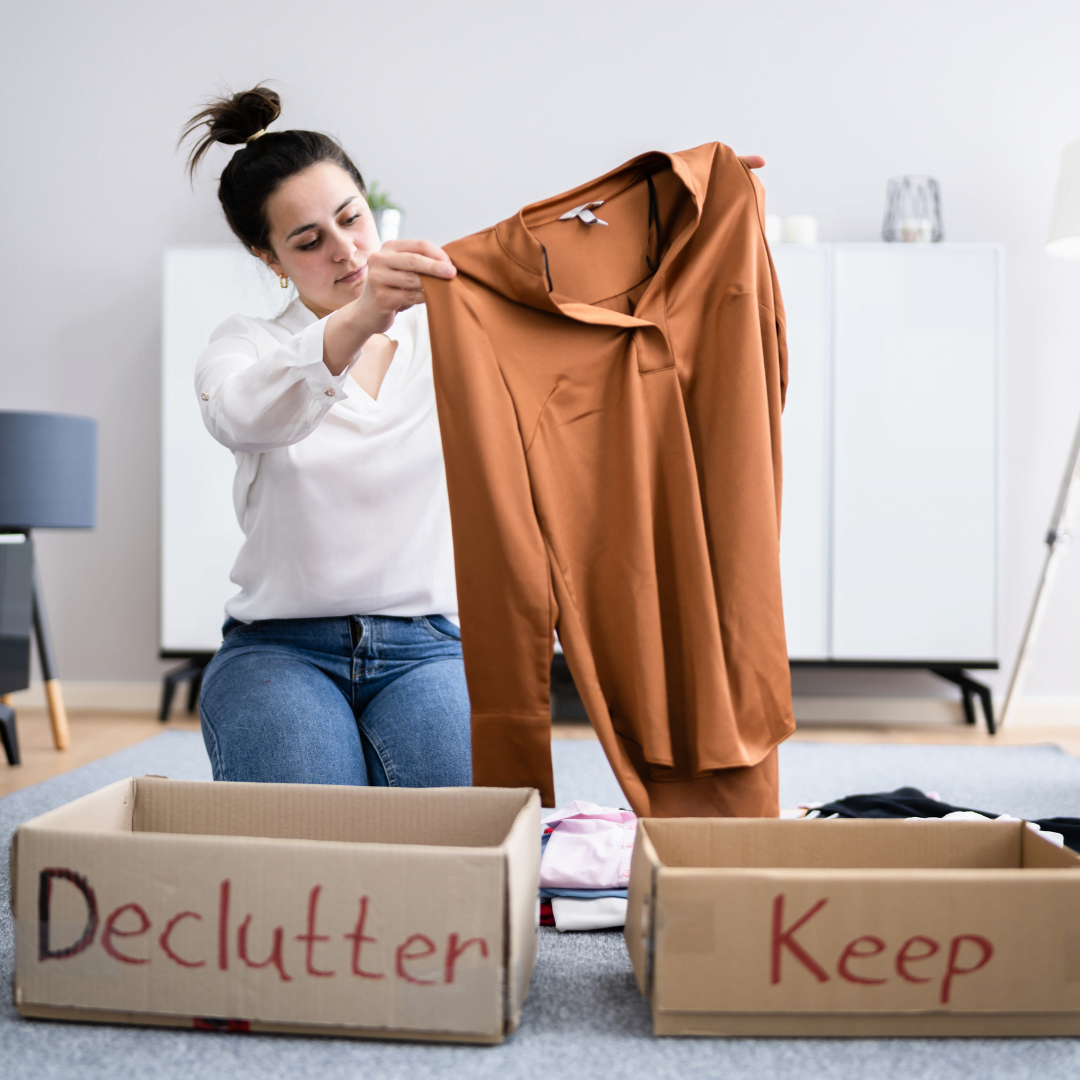
- Prepare Your Supplies: Gather boxes or bins for sorting items into categories such as keep, donate, and discard. Having these materials at hand will streamline the process.
- Set a Decluttering Goal: Define what you want to achieve, whether it’s creating more space, improving organization, or enhancing the room’s aesthetic appeal.
- Start with One Area: Focus on one section of the room at a time, such as a coffee table, a shelf, or a corner. This prevents overwhelm and allows for thorough examination of items.
- Evaluate Each Item: As you go through items, consider their usefulness, emotional value, and whether they contribute to your desired atmosphere.
- Sort into Three Categories: Place items into the keep, donate, and discard piles based on your evaluation. Be honest and firm in your decisions.
- Organize the Keep Pile: Arrange the items you’ve decided to keep in a manner that makes sense for your space, ensuring they are easily accessible and aesthetically pleasing.
- Dispose of the Discard Pile: Properly dispose of or recycle items in the discard pile. Schedule a time to drop off donations to ensure they are out of your home promptly.
Organizing Suggestions for Sorting Items
Effectively sorting items is crucial for a successful decluttering process. By following specific suggestions, you can ensure that each item is handled appropriately:
“To create a serene living space, let go of what no longer serves you.”
Begin by designating specific boxes or bins for each category. Label them clearly to avoid confusion. When evaluating items, consider asking yourself the following:
- Do I use this item regularly? If not, it may be time to let it go.
- Does this item hold sentimental value? Acknowledge its importance, but consider if it truly enhances your living space.
- Is this item aesthetically pleasing? If it does not contribute positively to the room’s appearance, it may be better suited for donation or disposal.
These prompts will help in making thoughtful decisions regarding each item.
Techniques for Tackling Decluttering in Small Sessions
Breaking the decluttering process into smaller sessions can make it more manageable and less daunting. Here are some techniques to facilitate this approach:
“Progress over perfection: small steps lead to significant changes.”
Consider the following strategies for short, effective decluttering sessions:
- Set a Timer: Allocate 15 to 30 minutes for each session. Use a timer to keep you focused and motivated.
- Choose a Daily Task: Dedicate a specific day of the week to tackle one item or area. Consistency will yield results over time.
- Involve Family Members: Make decluttering a family activity. Each person can take responsibility for their belongings, fostering a collective effort.
- Implement the One In, One Out Rule: For every new item brought into the living room, commit to removing one existing item. This will help maintain clutter levels.
By employing these techniques, the decluttering process becomes less overwhelming and more achievable, ultimately leading to a peaceful living environment.
Organizing Your Space
:max_bytes(150000):strip_icc()/decluttering-your-entire-home-2648002-03-0d7df53fe9564f3fa1fe63aa19d7062f.jpg "How to Declutter Your Home: 6 Best Room-by-Room Methods")
Creating an organized living room is essential for fostering a calm and inviting atmosphere. By implementing practical storage solutions and using multi-functional furniture, you can significantly reduce visible clutter and enhance the overall flow of the space. Furthermore, arranging your furniture thoughtfully contributes to a more relaxing environment, allowing you to enjoy your living space to its fullest potential.
Practical Storage Solutions
Designing effective storage options is crucial in minimizing clutter. Consider the following storage solutions that can seamlessly blend into your living room decor:
- Built-in Shelving: Installing built-in shelves not only provides ample storage space but also adds a custom touch to your living room. These shelves can be used to display books, decorative items, and personal mementos, keeping them organized and accessible.
- Storage Ottomans: Multi-functional furniture, such as ottomans with hidden storage compartments, serves dual purposes. They can act as both seating and a place to store blankets or magazines, thus reducing visible clutter.
- Wall-Mounted Cabinets: These cabinets can be strategically placed to utilize vertical space effectively while keeping floor areas clear. They are ideal for storing items like board games or electronics, ensuring they are out of sight but easily reachable.
Benefits of Multi-Functional Furniture
Incorporating multi-functional furniture pieces can greatly enhance your living room’s organization and usability. Such furniture serves various purposes without taking up additional space, making it an ideal choice for smaller areas.
- Sofa Beds: A sofa that can easily convert into a bed provides a comfortable seating option during the day and serves as a sleeping space for guests at night. This flexibility is particularly beneficial in homes with limited guest accommodations.
- Coffee Tables with Storage: Opting for a coffee table that features drawers or shelves allows for easy storage of coasters, books, or remote controls, thereby maintaining a tidy surface.
- Nested Tables: These smaller tables can be pulled out when needed and tucked away when not in use, providing the convenience of extra surface area without cluttering the space permanently.
Arranging Furniture for Relaxation and Flow
The arrangement of furniture plays a vital role in establishing a serene atmosphere and promoting relaxation in the living room. Consider the following tips for optimal furniture placement:
- Create Conversation Areas: Position sofas and chairs in a way that encourages conversation, typically facing each other. This arrangement fosters interaction and makes the space feel inviting.
- Maintain Clear Pathways: Ensure there are clear pathways for movement throughout the room. Arranging furniture to allow easy access to doors and windows enhances the flow of the space and makes it more functional.
- Focus on Natural Light: Arrange furniture to maximize the intake of natural light. Positioning seating near windows can create a bright and uplifting atmosphere, adding to the overall sense of relaxation.
Thoughtful organization and strategic furniture arrangement not only reduce clutter but contribute significantly to the tranquility of your living environment.
Maintaining a Clutter-Free Living Room
To ensure that your living room remains a serene and inviting space, it is essential to establish routines and habits that prevent clutter from accumulating. A clutter-free environment not only enhances the aesthetic appeal of your home but also contributes to mental well-being and relaxation. By implementing effective strategies for daily upkeep and regular maintenance, you can create an enduring sense of tranquility within your living space.
Daily Upkeep Routines
Developing a daily routine for managing clutter is crucial for maintaining a tidy living room. Small, consistent actions can significantly reduce the likelihood of clutter buildup. The following practices can be seamlessly incorporated into your daily life:
- Designate a ‘Clutter-Free Zone’: Identify areas in your living room where items should not accumulate, such as coffee tables or seating areas. Commit to keeping these zones clear at all times.
- Implement a ‘One In, One Out’ Rule: For every new item brought into the living room, ensure that an existing item is removed. This rule helps to limit the number of items in the space.
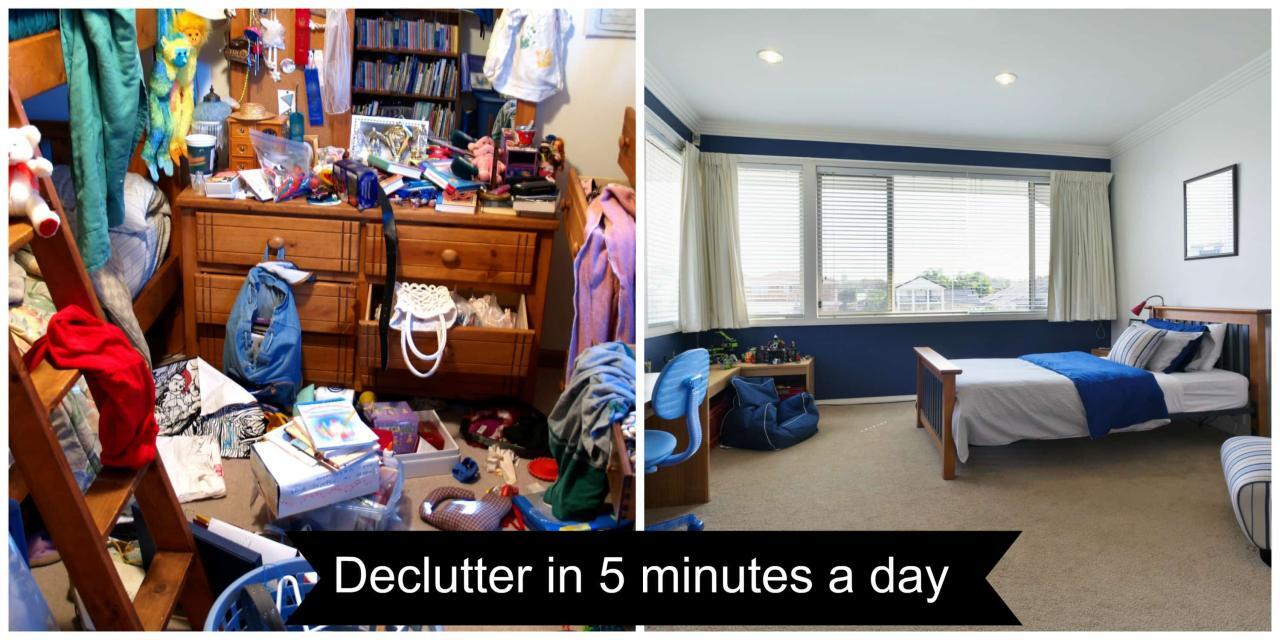
- Perform a 5-Minute Tidy-Up: Allocate a brief period each day to organize the living room. Tidying up for just five minutes can drastically improve the space’s appearance.
- Encourage Family Participation: Involve all household members in daily maintenance routines, fostering a shared responsibility to keep the living room clutter-free.
Regular Decluttering Sessions
Scheduling regular decluttering sessions is essential for maintaining a clutter-free living room. These sessions provide dedicated time to assess items and make decisions about their necessity. Consider the following approaches to ensure ongoing decluttering efforts:
- Set a Monthly Declutter Day: Choose a specific day each month to focus on decluttering your living room. This consistency will help you stay on track.
- Seasonal Decluttering: Align your decluttering sessions with seasonal changes. For example, conduct a thorough declutter during spring cleaning or prior to major holidays.
- Use a Decluttering Checklist: Create a checklist outlining specific areas to target during each session, such as bookshelves, entertainment units, or decorative surfaces.
Habits for a Clutter-Free Lifestyle
Adopting habits that contribute to a clutter-free lifestyle can lead to lasting changes in your living environment. These habits not only simplify the maintenance of your space but also enhance your overall quality of life:
- Mindful Consumption: Be intentional about what you bring into your home. Consider whether each item truly serves a purpose or brings joy before making a purchase.
- Organize Regularly: Develop a habit of reassessing your belongings frequently, ensuring that everything is organized and in its designated place.
- Practice Gratitude for Existing Items: Cultivating appreciation for what you already own can reduce the desire to acquire more, thereby minimizing clutter.
- Designate Specific Storage Solutions: Invest in storage solutions that suit your needs, such as baskets or shelves, to encourage a structured approach to organizing items.
Establishing a clutter-free living room is a continuous journey that requires commitment to daily practices, regular assessments, and the cultivation of positive habits.
Creating a Relaxing Atmosphere
To foster a calming environment in your living room, it is essential to incorporate elements that promote relaxation and tranquility. A well-designed space can significantly influence your mood and overall well-being. By focusing on specific aspects such as color schemes, decor choices, and the inclusion of natural elements, you can create a living room that serves as a sanctuary away from the stresses of daily life.The ambiance of your living room is greatly affected by the color palette and decorative items you choose.
Soft, muted colors like pastels or earth tones are often associated with serenity and comfort. Avoiding overly bright or harsh colors helps maintain a soothing atmosphere. Additionally, decor choices, such as light fabrics, natural textures, and minimalistic designs, play a vital role in establishing a peaceful environment that encourages relaxation.
Color Schemes and Decor Choices
The selection of colors and materials in your living room not only impacts aesthetic appeal but also your emotional state. Below are key points to consider when curating your color scheme and decor:
- Soft Color Palette: Use shades of blue, green, and neutral tones to create a serene atmosphere. These colors are known to evoke calmness and peace.
- Textured Fabrics: Incorporate soft textiles, such as plush cushions and cozy throws, which can enhance comfort and warmth in the space.
- Minimalistic Decor: Opt for simple and uncluttered designs that promote a sense of calm, allowing your mind to relax without distractions.
- Artwork Selection: Choose art pieces that evoke tranquility, such as landscapes or abstract designs in soothing colors, helping to set a peaceful tone.
Incorporating Plants and Natural Elements
Adding plants and natural elements to your living space can significantly enhance tranquility and create a connection to nature. Below are several ways to incorporate these features effectively:
- Indoor Plants: Select low-maintenance plants like snake plants, peace lilies, or pothos to improve air quality and add a touch of greenery. Their presence can be calming and restorative.
- Natural Materials: Use furniture and decor made from wood, stone, or rattan to create a warm and inviting atmosphere that reflects the beauty of nature.
- Water Features: Consider adding a small indoor fountain or a decorative bowl filled with water. The sound of flowing water can promote relaxation and serenity.
- Natural Light: Maximize natural light by using sheer curtains or strategically placing mirrors to reflect light. Sunlight can uplift your mood and warmth can further enhance the calming atmosphere.
“Creating a relaxing atmosphere is not just about aesthetics; it is a vital component of mental well-being.”
Personalizing Your Space
Creating a cozy living room is greatly enhanced by the inclusion of personal items that reflect your individuality and experiences. These elements can transform a generic space into a comforting retreat that tells your story. Personalization not only fosters a sense of belonging but also invites warmth and character into your home. However, it is essential to curate these items thoughtfully to avoid overwhelming the space with visual clutter.When incorporating personal items into your living room, it is crucial to strike a balance between showcasing your personality and maintaining an organized, aesthetically pleasing environment.
Thoughtful display techniques can enhance the room’s ambiance without detracting from its overall design.
Guidelines for Displaying Personal Items
Effective presentation of personal items requires intentionality and creativity. Here are several guidelines to help you display these treasures while preserving harmony in your living room:
- Select a Focal Point: Designate a specific area, such as a shelf or a gallery wall, where personal items can be the centerpiece. This draws attention without overwhelming the room.
- Use a Theme: Organize your items around a central theme, such as travel, family, or nature. This creates cohesion and makes it easier to incorporate various pieces.
- Limit Quantity: Choose a few significant items rather than overcrowding the space. A curated selection allows each piece to shine and tells a more compelling story.
- Incorporate Functional Items: Select personal items that serve a dual purpose, such as decorative storage boxes or stylish bookshelves, to maintain functionality while personalizing your space.
- Display with Variation: Use varying heights, textures, and colors in your displays to create visual interest and avoid monotony.
Balancing Style and Comfort
To achieve a harmonious living room, it is essential to balance style and comfort in your personalization efforts. A well-decorated space should be inviting and functional, encouraging relaxation and social interaction. Consider the following aspects when personalizing your living area:
- Choose Comfortable Textiles: Incorporate soft throw blankets and cushions that reflect your personal taste while enhancing comfort. Fabrics like cotton, linen, or wool can add warmth and coziness.
- Color Harmony: Opt for colors that resonate with you and complement the overall decor. Soft earth tones or vibrant hues can evoke specific moods, contributing to a welcoming atmosphere.
- Incorporate Natural Elements: Use plants or floral arrangements to add life and freshness. Natural elements not only enhance aesthetics but also contribute to a calming environment.
- Mindful Arrangement: Arrange furniture and personal items to facilitate easy movement and conversation, ensuring that comfort and functionality are prioritized.
- Update Regularly: Refresh your space by rotating personal items or changing decor seasonally. This keeps the living room dynamic and allows for continuous personalization.
Thoughtful personalization transforms a living room from a mere functional space into a cozy, inviting environment that reflects your unique narrative.
Ultimate Conclusion

In summary, achieving a clutter-free living room is a journey that requires mindful evaluation, strategic decluttering, and ongoing maintenance. By incorporating elements that enhance relaxation and personal style, you can create a space that reflects your personality while serving its primary purpose—a comforting haven. Embrace these strategies to cultivate a living environment that promotes peace and well-being, allowing you to truly unwind in your home.