Engaging in the process of decluttering your medicine cabinet is not merely an organizational task; it is an essential step towards enhancing both your health and safety. A well-maintained cabinet minimizes the risk of medication errors and misuse while creating a serene space that contributes to psychological well-being. This guide will provide you with the necessary insights and actionable steps to ensure your medicine cabinet is both functional and secure.
By understanding the importance of a decluttered cabinet, preparing adequately for the decluttering process, and following safe disposal methods for expired medications, you will be equipped to create an organized environment that promotes safety and efficiency. This comprehensive overview aims to empower you with the knowledge required to manage your medications effectively and sustain a clutter-free space.
Understanding the Importance of a Decluttered Medicine Cabinet
A decluttered medicine cabinet serves not only as a space for storing medications and health supplies but also as an essential aspect of maintaining health and safety within the home. Keeping this area organized is crucial for a variety of reasons, ranging from physical health to mental well-being. An organized medicine cabinet significantly contributes to health and safety by reducing the risk of medication errors and misuse.
When medications are neatly arranged and clearly labeled, the chances of taking the wrong dosage or mixing up prescriptions are greatly decreased. This is particularly important in households with multiple members, where confusion regarding medications can lead to serious health consequences. By ensuring that expired or unused medications are disposed of properly, individuals can prevent accidental ingestion or misuse, especially among children or pets.
Health and Safety Benefits of a Decluttered Cabinet
Maintaining an orderly and clean medicine cabinet offers numerous health and safety benefits. Here are some key points to consider:
- Reduction of Accidental Ingestion: By removing expired medications and organizing remaining ones, the risk of accidental ingestion by children or pets is minimized.
- Prevention of Medication Errors: Clearly labeling medications and storing them in designated areas helps to avoid confusion, which can lead to dangerous medication errors.
- Improved Emergency Preparedness: An organized cabinet allows for easy access to necessary medications during emergencies, ensuring prompt treatment when needed.
- Awareness of Medication Supply: Regularly assessing the contents of the cabinet ensures that individuals are aware of what medications are on hand, reducing the likelihood of running out of essential items.
Psychological Benefits of an Organized Space
The psychological advantages of having a tidy medicine cabinet are profound. An organized environment can evoke a sense of control and peace of mind.
- Reduced Stress: Clutter can contribute to anxiety and stress; thus, an organized cabinet offers a calming effect, making it easier to find what is needed when health concerns arise.
- Enhanced Focus: A clean and orderly space allows individuals to concentrate on their health and wellness rather than being distracted by disarray.
- Promotes Healthy Habits: Knowing that medications and health supplies are organized can encourage individuals to take their medications regularly and maintain overall health.
- Increased Sense of Accomplishment: Successfully decluttering a medicine cabinet provides a sense of achievement, contributing positively to one’s mental well-being.
“An organized space leads to an organized mind; clarity in our surroundings breeds clarity in our lives.”
Preparing for the Decluttering Process
To embark on the journey of decluttering your medicine cabinet, a structured approach is essential. This next phase will guide you through the necessary preparations, ensuring a smooth and efficient process. By organizing your materials and setting a clear timeline, you can create a clutter-free space that promotes safety and accessibility.A well-prepared decluttering experience not only enhances the organization of your medicine cabinet but also minimizes the chances of accidentally using expired or unnecessary medications.
Below are the essentials you will need for this task, along with a detailed plan and timeline to help you achieve your decluttering goals effectively.
Checklist of Items Needed for the Decluttering Process
Before you start, gather the following items to aid in the decluttering process. This checklist will help ensure that you have everything at hand, making the task more manageable.
- Trash bags for disposing of expired or unusable items
- Boxes or bins for sorting items into categories
- Labels for clear identification of contents
- Cleaning supplies (such as disinfectant wipes) for sanitizing the cabinet
- A notepad and pen for noting down any items that need replenishing
Step-by-Step Plan for Decluttering Your Medicine Cabinet
A organized plan facilitates a systematic approach to decluttering. Follow these steps to efficiently tackle your medicine cabinet:
- Remove all items from the medicine cabinet to assess the space.
- Sort items into categories: medications, first-aid supplies, and miscellaneous health products.
- Check expiration dates on medications and discard any that are outdated.
- Clean the interior of the cabinet thoroughly with disinfectant wipes.
- Organize items by category and frequency of use, placing the most frequently used items at eye level.
- Label the storage bins or baskets for easy identification and access.
- Dispose of items safely, following local regulations for hazardous waste if necessary.
Timeline for Completing the Decluttering Task Safely
Establishing a timeline can keep you focused and motivated throughout the decluttering process. Below is a suggested timeline that you can adapt based on your availability:
The entire process can typically be completed within a few hours, but allowing for breaks may enhance focus. Here’s a recommended timeline:
| Task | Time Allotted |
|---|---|
| Preparation and Gathering Materials | 30 minutes |
| Emptying the Cabinet | 15 minutes |
| Sorting and Checking Expiration Dates | 1 hour |
| Cleaning the Cabinet | 30 minutes |
| Organizing and Labeling | 1 hour |
| Disposal of Unwanted Items | 30 minutes |
“A decluttered medicine cabinet not only enhances safety but also improves efficiency in accessing necessary health products.”
Safe Disposal of Expired and Unused Medications
Proper disposal of expired and unused medications is essential to ensure safety and protect the environment. Medications that are no longer effective can pose risks if they are ingested inadvertently or discarded improperly. Understanding how to identify these medications and dispose of them safely helps safeguard not only your household but also the community at large.Identifying expired medications is a straightforward process that involves checking the expiration date printed on the packaging.
Medications that have surpassed this date should be removed from your medicine cabinet. Additionally, any medications that are discolored, have changed in consistency, or have an unusual odor should also be discarded, as these changes may indicate that the medication is no longer safe to use or effective.
Methods for Safe Disposal of Medications
It is crucial to be aware of the appropriate methods for disposing of medications to minimize risks to health and the environment. The following methods are recommended:
- Take-back Programs: Many communities offer medication take-back programs, where residents can return unused or expired medications to designated locations for safe disposal. These programs are often organized by local pharmacies, hospitals, or community organizations.
- Disposal in Household Trash: If a take-back program is unavailable, medications can be disposed of in your household trash. To do this safely:
- Mix the medication with an unpalatable substance, like dirt or cat litter, to make it less appealing to children and pets.
- Place the mixture in a sealed container or plastic bag to prevent leakage.
- Dispose of the container in your household trash.
- Flushing Medications: Some medications are recommended for disposal by flushing down the toilet. This is typically reserved for certain high-risk medications that could cause harm if ingested by someone other than the intended user. Check the FDA’s list of medications recommended for flushing to see if your medication is included.
Local Regulations and Guidelines for Medication Disposal
Each community may have its own regulations regarding the disposal of medications, and it is important to be aware of these guidelines. Local waste management authorities often provide resources and information regarding safe disposal practices. Adhering to these regulations helps to avoid potential penalties and ensures that the disposal is conducted in an environmentally responsible manner.
“Proper disposal of medications prevents environmental contamination and protects the community from accidental poisonings.”
Stay informed about local disposal events or programs that might be available in your area, as these can change frequently. Many areas also provide online resources where residents can find up-to-date information on medication disposal guidelines, including any specific protocols that must be followed.Using these methods for disposing of expired and unused medications contributes to a safer home environment and helps protect the community.
By being proactive in medication management, you can ensure that your medicine cabinet remains a safe resource for your family.
Organizing Your Remaining Medications
After decluttering your medicine cabinet, the next step is to organize the remaining medications effectively. A well-organized medicine cabinet not only ensures easy access to medications but also promotes safety and reduces the risk of medication errors. By implementing a clear system for categorizing and storing medications, you can enhance your ability to manage your health and that of your family.
Categorizing Medications by Type or Purpose
Establishing a categorization system is essential for maintaining order in your medicine cabinet. This can be achieved by grouping medications based on their purpose, such as over-the-counter pain relievers, prescription medications, and first-aid supplies. Consider the following categories for efficient organization:
- Prescription Medications: Store all prescription medications together, labeled with the patient’s name and dosage instructions.
- Over-the-Counter Medications: Group similar items, such as cold medications, allergy treatments, and pain relievers.
- First-Aid Supplies: Keep band-aids, antiseptics, and other first-aid items in a separate section.
- Vitamins and Supplements: Organize these separately from medications to avoid confusion.
Creating an Inventory List for Tracking Medications
An inventory list is a vital tool for effectively tracking your medications. This list should include the names of the medications, their dosages, expiration dates, and any specific instructions for use. Consider the following steps to create a comprehensive inventory:
- List all Medications: Write down each medication along with pertinent details, ensuring accuracy.
- Update Regularly: Set a reminder to review and update your inventory list every few months or after major changes in your medication routine.
- Choose a Format: Whether you prefer a digital spreadsheet or a handwritten list, select a format that works best for you and is easily accessible.
Labeling and Storing Medications Safely
Proper labeling and storage of medications are crucial for safety and efficiency. Clear labels help identify medications quickly and ensure they are stored in the right conditions. Here are some effective tips for labeling and storage:
- Use Clear, Legible Labels: Write labels in large, readable fonts, including the name of the medication and dosage information.
- Store in Original Packaging: Whenever possible, keep medications in their original containers to ensure that vital information remains intact.
- Choose the Right Environment: Store medications in a cool, dry place, away from direct sunlight and moisture to maintain their efficacy.
- Utilize Containers: Consider using a designated storage box or bin for each category of medication, helping to keep them organized and contained.
Preventing Future Clutter in Your Medicine Cabinet
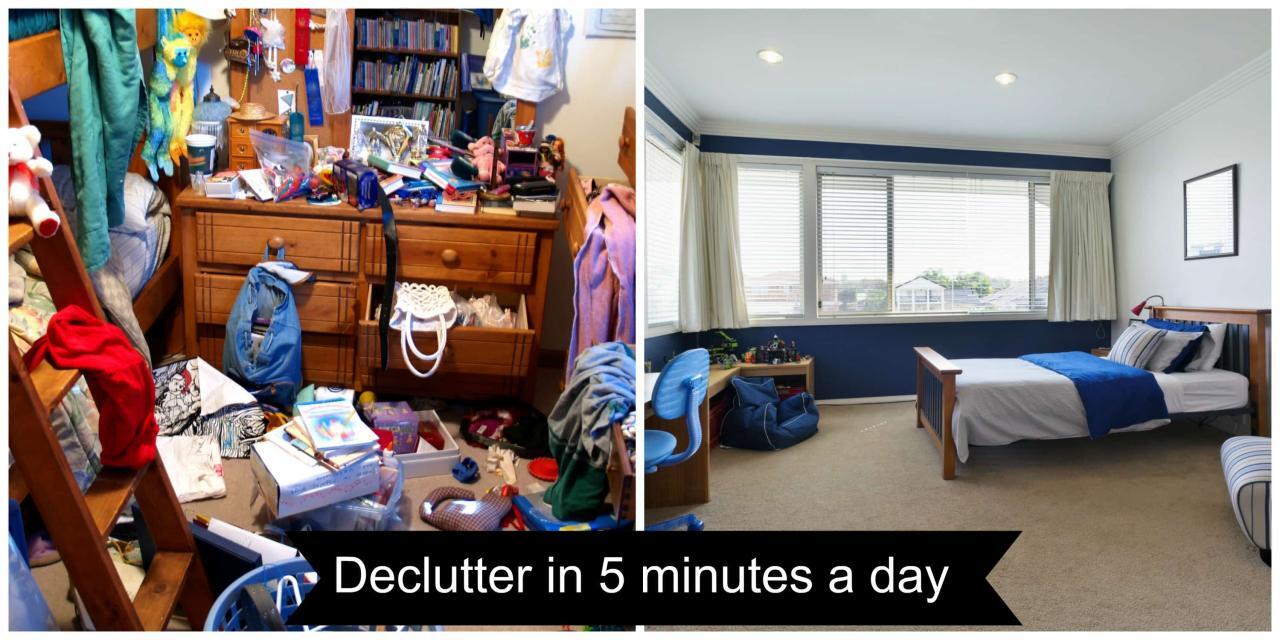
Maintaining an organized medicine cabinet is essential for ensuring that you can easily access the necessary medications and medical supplies when needed. A clutter-free cabinet not only enhances the aesthetic of your bathroom or kitchen but also promotes safety and health. Implementing effective strategies can help you manage your medicine cabinet efficiently, thus preventing future clutter and complications.
Establishing a routine for inventory checks and purging can significantly contribute to the longevity of your organized cabinet. By regularly assessing what you have, you can make informed decisions about what to keep, what to discard, and how to better arrange your remaining items. This proactive approach not only streamlines your cabinet but also helps you avoid potential health risks associated with expired or unnecessary medications.
Establishing a Review Routine
Creating a schedule for routinely reviewing the contents of your medicine cabinet is vital in maintaining organization. This practice ensures that you stay aware of the items you possess and can take appropriate actions as necessary. To effectively implement a review routine, consider the following strategies:
- Monthly Checks: Dedicate a specific day each month to inspect your cabinet. Look for expired medications, items that you no longer use, or products that are running low and need replenishing.
- Seasonal Purging: In addition to monthly checks, conduct a thorough purge at the start of each season. This larger review allows you to assess your inventory comprehensively and make adjustments based on seasonal health needs.
- Labeling and Categorizing: Organize your cabinet by categorizing items (e.g., pain relief, cold remedies, first aid) and clearly labeling each category. This organization simplifies future checks, making it easier to identify and locate items quickly.
- Document Inventory: Keep a log of medications and medical supplies, noting expiration dates and purchase dates. This documentation can serve as a reference during your review process and help you keep track of when items need to be used or replaced.
Regular maintenance of your medicine cabinet promotes safety and health by ensuring easy accessibility to necessary items.
Safety Precautions During the Decluttering Process
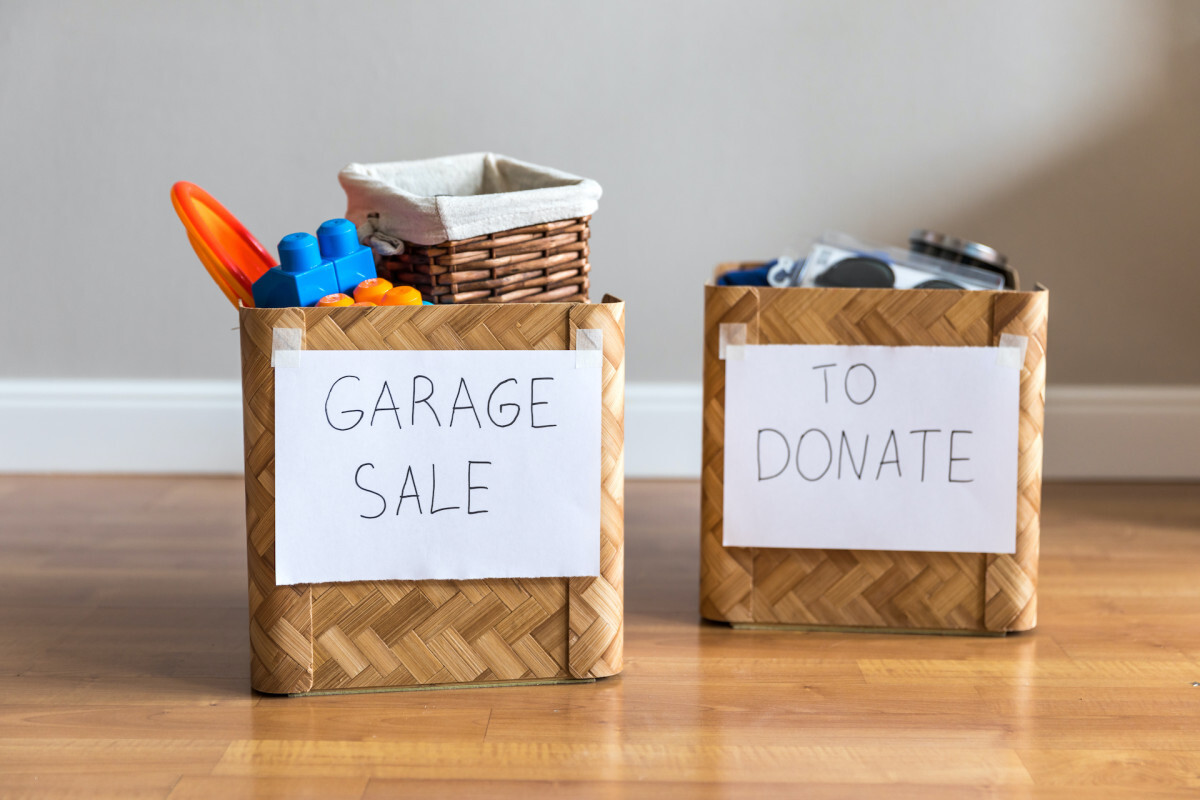
When decluttering your medicine cabinet, it is essential to prioritize safety. The handling of medications requires caution, as improper management can lead to accidental ingestion or exposure, particularly among vulnerable populations, including children and pets. Adopting specific safety measures during the decluttering process can ensure a safer environment for everyone involved.One of the key aspects of handling medications safely involves wearing appropriate protective gear and using the right tools.
Gloves can prevent skin contact with any residual substances while ensuring that you maintain hygiene. Proper tools, such as pill organizers and small containers, can assist in sorting and securely storing remaining medications.
Personal Protective Measures
Utilizing personal protective equipment (PPE) is vital during the decluttering process. Here are several recommended measures:
- Wear Gloves: Always put on disposable gloves to protect your skin from any potential allergens or harmful substances present in expired or unused medications. This is especially crucial when handling liquid medications that may have leaked.
- Use Safety Glasses: If you are dealing with any broken glass or containers, wearing safety glasses can protect your eyes from injury.
- Keep Cleaning Supplies Handy: Have disinfectant wipes or sprays available to clean surfaces after handling medications, ensuring a tidy and safe area.
Child and Pet Safety
When undertaking a decluttering process, it is crucial to consider the safety of children and pets who may inadvertently come into contact with hazardous substances. Here are practical steps to ensure their safety:
- Designate a Safe Area: Create a safe space away from the decluttering area for children and pets. This can be a separate room with a closed door to prevent them from accessing the medications.
- Use Childproof Containers: If you must store any medications temporarily, ensure they are in childproof containers and out of reach.
- Communicate Boundaries: Explain to older children the importance of staying away from the decluttering area and the potential hazards of medications.
Incorporating these safety precautions during the decluttering process not only protects individuals from potential harm but also fosters a responsible approach to medication management.
Recommendations for Essential Items to Keep
Maintaining a well-organized medicine cabinet is crucial for ensuring that you are prepared for various health needs. An effective medicine cabinet not only houses necessary medications but also promotes safety and efficiency in times of need. The following recommendations will help you identify essential items to keep in your medicine cabinet.
Must-Have Items for Every Medicine Cabinet
It is vital to include a range of essential items in your medicine cabinet that can address common health issues and emergencies. The following list Artikels key items that should be part of your medicine cabinet:
- Over-the-Counter Pain Relievers: Medications such as acetaminophen or ibuprofen are essential for alleviating pain and reducing fever.
- Cold and Allergy Medications: Antihistamines and decongestants can provide relief from seasonal allergies and cold symptoms.
- Digestive Aids: Items like antacids and anti-nausea medications are important for treating gastrointestinal discomfort.
- First Aid Supplies: Band-aids, antiseptic wipes, and gauze are crucial for treating minor cuts and injuries.
- Thermometer: A reliable thermometer is necessary for monitoring body temperature during illness.
- Prescription Medications: Always keep any prescribed medications that are currently in use, ensuring they are properly labeled and within their expiration dates.
- Emergency Contacts: A list of emergency numbers and contacts should be easily accessible in case of urgent situations.
Considerations for Including Prescription Medications
When choosing which prescription medications to retain in your medicine cabinet, it is essential to evaluate their relevance and necessity. Regularly review your prescriptions and keep only those that are actively prescribed and needed. Medications that are no longer in use should be disposed of safely to prevent accidental ingestion or misuse.
“Always keep prescription medications in their original containers with labels intact.”
Importance of Keeping Emergency Items Readily Available
In emergencies, quick access to essential items can significantly impact health outcomes. Stocking your medicine cabinet with emergency supplies such as a first aid kit, an emergency blanket, and a pair of tweezers can provide peace of mind and aid in effectively managing minor injuries. Additionally, having a spare pair of prescription glasses or contacts can be crucial for those with vision impairments.Regularly assessing the contents of your medicine cabinet and ensuring that these essential items are stocked can lead to a safer home environment and better preparedness for health-related situations.
Utilizing Technology for Medicine Management
In an age where technology permeates every aspect of our lives, it offers valuable tools that can assist in managing medications efficiently and safely. From tracking dosages to reminding us of refills, technology can significantly enhance how we handle our medicine cabinets. Utilizing apps and tools can streamline the process of medication management, ensuring that you stay organized and informed about your health.
Applications and Tools for Tracking Medications
Several applications have emerged that serve as effective solutions for medication management. These tools allow users to keep track of their prescriptions, dosages, and schedules with ease. Here are some notable features of these applications:
- Medication Reminders: Many apps offer customizable reminders that alert users when it’s time to take their medication.
- Dosage Tracking: Users can log their dosages to ensure they are adhering to their prescribed regimens.
- Medication Interaction Checkers: Some apps assess potential interactions between different medications, which is crucial for safety.
- Personalized Health Records: Many applications allow users to store and manage their health information, including allergies and medical history.
Managing Expiration Dates with Technology
Keeping track of medication expiration dates can be a challenge, but technology can simplify this task. Many medication management apps provide features that notify users when their medications are nearing expiration. This capability is essential for ensuring that medications remain effective and safe to use.
“Outdated medications can pose health risks, making timely management critical.”
Users can input expiration dates directly into the app, and the system can track these dates, sending alerts to the user well in advance. This proactive approach helps prevent the accumulation of expired medications in the cabinet.
Digital Reminders for Medication Refills
Digital reminders are an invaluable feature of many medication management apps, assisting users in maintaining their medication supply. These reminders can be set to notify users when it’s time to refill their prescriptions, helping avoid lapses in medication adherence.When medication refills are managed digitally, individuals can:
- Receive Alerts: Timely notifications ensure that users can refill their prescriptions before running out.
- Track Refill History: Some applications allow users to keep a history of their refills, providing insight into their medication usage patterns.
- Connect with Pharmacies: Certain apps enable direct communication with pharmacies, making the refill process more efficient.
The integration of technology into medication management not only enhances the safety and organization of your medicine cabinet but also contributes to better overall health outcomes. By utilizing these technological tools, individuals can ensure they are taking the right medications at the right times, ultimately leading to a more effective treatment regimen.
Summary
In conclusion, taking the time to declutter your medicine cabinet is an investment in your health and peace of mind. By following the Artikeld steps and implementing preventive measures for future clutter, you can ensure your cabinet remains a source of safety rather than confusion. Embrace the benefits of an organized space and enjoy the clarity it brings to your health management.