How to Declutter Your Wardrobe and Find Your Personal Style is an essential guide for anyone looking to revamp their closet and elevate their fashion sense. In today’s fast-paced world, our wardrobes can easily become cluttered with items we no longer wear, making it difficult to express our true personal style. This process not only promotes a more organized space but also helps individuals reconnect with their fashion preferences and let go of emotional attachments that may no longer serve them.
Through a series of intentional steps, readers will learn effective methods to assess their current wardrobe, categorize clothing items, and ultimately curate a collection that reflects their unique style. By exploring the concept of a capsule wardrobe and sustainable fashion practices, this guide encourages thoughtful choices that align with both personal aesthetics and ethical values.
Introduction to Decluttering Your Wardrobe
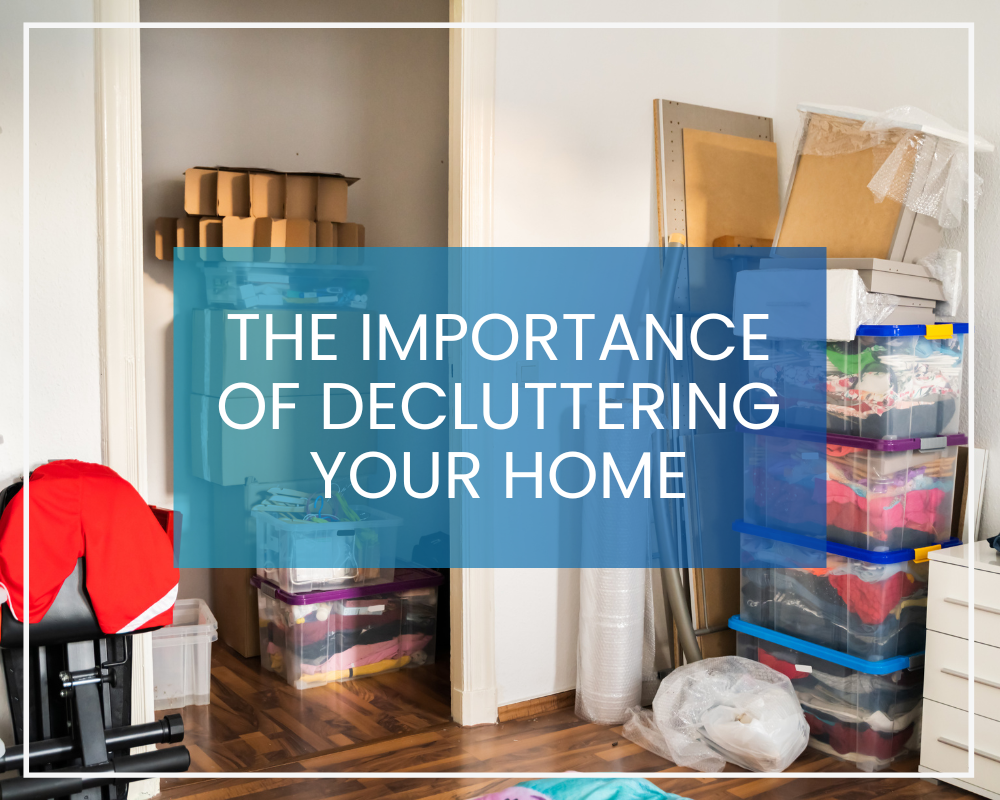
Decluttering your wardrobe is a vital step toward defining and expressing your personal style. A well-organized wardrobe not only enhances your aesthetic choices but also simplifies daily decision-making regarding your outfit selections. By removing unnecessary items, you can create an environment that reflects who you are and what you wish to project in your daily life.Assessing your current wardrobe involves a thoughtful process of evaluation and reflection.
Start by taking stock of every item you own, considering factors such as how frequently you wear each piece, how well it fits, and whether it aligns with your personal style goals. This assessment can be facilitated by categorizing your clothing into sections—such as everyday wear, formal attire, and seasonal pieces—allowing for a clearer understanding of what you have and what you truly need.
Emotional Attachments to Clothing Items
Many individuals experience emotional connections to their clothing, which can complicate the decluttering process. These attachments might stem from memories associated with certain garments, such as a favorite dress worn at a significant event or a shirt gifted by a loved one. Recognizing these feelings is essential in understanding the impact of emotional ties on your decision-making regarding wardrobe choices.To navigate emotional attachments effectively, consider the following strategies for assessing your feelings towards each item:
- Reflect on Memories: Identify the memories linked to specific items and evaluate whether those memories positively influence your current style.
- Assess Frequency of Wear: If an item holds sentimental value but is rarely worn, it may be time to consider a different way to preserve the memory, such as taking a photograph.
- Evaluate Fit and Comfort: An item may bring positive memories, but if it no longer fits or is uncomfortable, it may not serve your current lifestyle.
- Consider Storage Options: For pieces with strong sentimental value, consider storing them away in a keepsake box, allowing you to keep the memory without cluttering your wardrobe.
By thoughtfully evaluating your emotional attachments and their relevance to your current lifestyle, you can make informed decisions that will lead to a more curated and personal wardrobe.
Steps to Declutter Your Wardrobe
The process of decluttering your wardrobe is essential for creating a functional and stylish collection of clothing. By thoughtfully evaluating each piece, you can free up space and make way for garments that truly reflect your personal style. This segment will detail effective steps to sort, evaluate, and organize your clothing.
Sorting Clothes into Categories
Sorting is the first step in the decluttering process. This involves categorizing your clothes into three main groups: keep, donate, and discard. Begin by removing all items from your wardrobe, placing them on a flat surface. This visual inventory allows for a thorough examination. As you assess each piece, consider its condition, fit, and how often you wear it.
Keep
Items that you love, wear regularly, and fit well.
Donate
Clothing in good condition that you no longer wear but can benefit someone else.
Discard
Damaged or worn-out items that cannot be repaired or repurposed.This sorting phase helps to clarify which pieces add value to your wardrobe and which items may be taking up unnecessary space.
Checklist for Evaluating Each Item’s Value and Usage
Having a checklist can streamline the evaluation process, ensuring consistency in your decision-making. Here are key criteria to consider for each item:
Condition
Is it in good repair, or does it need significant mending?
Fit
Does it fit well, or have you outgrown it?
Frequency of Use
Have you worn it in the last year?
Style
Does it align with your current personal aesthetic?
Versatility
Can it be worn with multiple outfits or for various occasions?This checklist serves as a guide, helping you to objectively assess the worth of each garment in your wardrobe.
Folding and Organizing Techniques
Once the sorting process is complete, organizing your remaining items is crucial for maintaining visibility and accessibility. Here are effective techniques for folding and storing your clothes:
Folding
For items like t-shirts and sweaters, use the ‘file folding’ method where each garment is folded into a rectangle and stored vertically. This allows you to see every item at a glance.
Hanging
Use matching hangers for a uniform look. Group similar items together, such as all blouses or pants, to create a cohesive flow.
Storage Containers
Utilize clear bins for seasonal items or rarely worn pieces. Label these containers for easy identification.
Color Coordination
Organizing your clothes by color can create an aesthetically pleasing display and make outfit selection more straightforward.Adopting these folding and organizing techniques not only maximizes space but also enhances the overall functionality of your wardrobe, making it easier to find and enjoy your favorite pieces.
Identifying Your Personal Style
Understanding your personal style is a crucial step in the decluttering process. It allows you to curate a wardrobe that truly reflects who you are and what you love. By assessing your fashion preferences and visual inspirations, you can make informed decisions about what to keep, what to donate, and how to express your individuality through clothing.Assessing your likes and dislikes in fashion involves reflecting on various aspects of clothing, including fit, color, and overall aesthetics.
Take time to consider what pieces in your wardrobe make you feel confident and comfortable versus those that you seldom wear. Noting these preferences will guide you towards a clearer understanding of your style.
Fashion Likes and Dislikes Assessment
Begin by compiling a list of the clothing items you wear regularly and those that remain untouched. Categorizing these items can highlight patterns that reveal your fashion preferences. To streamline this process effectively, consider the following steps:
- Keep a Wardrobe Diary: Document the outfits you wear each day for a week. Note what you liked or disliked about each outfit.
- Identify Key Pieces: Highlight the clothing items that consistently make you feel excellent. These could include favorite jeans, dresses, or accessories.
- Reflect on Past Styles: Think about styles you admired in the past or trends you gravitated towards, even if they have since evolved.
- Eliminate Guesswork: If you have items that have remained unworn for over a year, it might be time to let them go.
Mood Board Creation
A mood board serves as a visual representation of your personal style and can be a helpful tool in the decluttering process. Creating a mood board allows you to filter your wardrobe choices through the lens of your true self. Follow these steps to construct your mood board:
1. Gather Inspiration
Look for images in magazines, online platforms like Pinterest, or through fashion blogs that resonate with you. Focus on colors, silhouettes, and styles that speak to your personal aesthetic.
2. Choose a Format
Decide whether you prefer a digital mood board or a physical one. Digital platforms allow for easy rearrangement, while physical boards can be more tactile and engaging.
3. Select Representative Images
Aim to choose around 10-15 images that best encapsulate your style. Look for patterns in color, fabric, and silhouette.
4. Organize Your Board
Arrange the images in a way that feels cohesive. This process will help you visualize your unique style narrative.
Identifying Colors, Patterns, and Silhouettes
Recognizing which colors, patterns, and silhouettes flatter you can significantly enhance your wardrobe choices. Each person has a palette and shapes that work best, making it essential to identify these elements. To begin this identification process, consider these guiding points:
- Conduct a Color Analysis: Experiment with wearing different colors to observe which shades brighten your complexion and enhance your overall appearance.
- Examine Patterns: Note any patterns you consistently gravitate towards. Floral, stripes, or geometric patterns can give clues about your preferences.
- Recognize Flattering Silhouettes: Pay attention to the clothing styles that complement your body shape. For instance, fit-and-flare dresses may suit some, while others may prefer straight or tailored fits.
- Incorporate Versatile Pieces: Select items that can be mixed and matched effortlessly across your wardrobe, ensuring that your style remains adaptable and cohesive.
By carefully assessing your likes and dislikes, creating a mood board, and identifying the colors, patterns, and silhouettes that resonate with you, you can confidently curate a wardrobe that aligns with your personal style. This clarity not only informs your clothing choices but also enhances your overall confidence and self-expression.
Building a Capsule Wardrobe
Creating a capsule wardrobe is a transformative approach to fashion that encourages minimalism and intentionality in clothing choices. This concept revolves around curating a small collection of versatile and timeless pieces that can be mixed and matched to create a variety of outfits suitable for different occasions. By focusing on quality over quantity, individuals can simplify their daily routines, reduce decision fatigue, and enhance their personal style.A capsule wardrobe offers numerous benefits, including saving time and money while promoting sustainability by reducing unnecessary textile waste.
It encourages individuals to invest in high-quality items that resonate with their personal style, thus fostering a more authentic and satisfying wardrobe.
Essential Pieces for Different Occasions
When building a capsule wardrobe, it is important to include essential pieces that cater to a variety of occasions. Below is a curated list of these pieces, categorized by occasion, to help streamline your wardrobe and ensure versatility:
- Work: Tailored blazer, classic white button-up shirt, versatile black trousers, knee-length pencil skirt, and closed-toe heels.
- Casual: Quality denim jeans, comfortable t-shirt, lightweight cardigan, chic sneakers, and a casual dress.
- Formal: Little black dress, tailored suit, elegant heels, statement clutch, and minimalistic jewelry.
- Weekend: Relaxed-fit joggers, oversized sweater, ankle boots, and a crossbody bag for convenience.
- Seasonal: Lightweight rain jacket, warm scarf, versatile swimwear, and cozy knitwear for colder months.
Incorporating these essential pieces into your capsule wardrobe will prepare you for any occasion while maintaining a cohesive and stylish appearance.
Mixing and Matching Items Effectively
To maximize the potential of a capsule wardrobe, it is vital to master the art of mixing and matching items. This approach allows for the creation of numerous outfits from a limited selection of clothing. Here are some strategies to enhance your mixing and matching skills:
1. Color Coordination
Choose a color palette that complements itself. Neutral tones, like black, white, gray, and beige, can be combined easily with a few accent colors that reflect your personal style.
2. Layering
Utilize layering to create depth and dimension in your outfits. For instance, pairing a turtleneck under a dress or adding a jacket can transform a simple look into something special.
3. Accessorizing
Accessories play a crucial role in diversifying your outfits. A statement necklace, scarf, or belt can dramatically change the look of an ensemble without the need for additional clothing pieces.
4. Playing with Textures
Experiment with various fabrics to add interest to your combinations. Mixing textures, such as denim with silk or cotton with leather, can elevate your style.
5. Silhouette Diversity
Incorporate a variety of silhouettes to maximize outfit options. This includes fitted, relaxed, and oversized pieces that can be paired together creatively.By employing these strategies, individuals can efficiently create a multitude of stylish outfits from their capsule wardrobe, ensuring that their fashion choices remain fresh and dynamic.
Sustainable Fashion Practices
![Efficiently Declutter Your House in Just One Week [Day by Day Plan]](https://solusmu.web.id/wp-content/uploads/2025/09/Declutter-6.jpg "Efficiently Declutter Your House in Just One Week [Day by Day Plan]")
Sustainable fashion practices are essential for minimizing the environmental impact of the clothing industry and promoting ethical consumerism. As the awareness surrounding the consequences of fast fashion continues to grow, individuals are prompted to seek alternatives that not only enhance their personal style but also contribute positively to the planet.The impact of fast fashion on personal style choices is significant, leading to a culture of disposable clothing that often prioritizes quantity over quality.
This practice fosters a cycle of purchasing and discarding garments at an alarming rate, which ultimately harms the environment. Embracing sustainable fashion practices can help individuals cultivate a wardrobe that reflects their style while supporting ethical production methods.
Strategies for Donating or Recycling Unwanted Garments
When faced with unwanted garments, individuals can take proactive steps to ensure these items do not contribute to landfill waste. Several strategies are available for donating or recycling clothing, which not only benefits the environment but also aids those in need.
- Donation to Charities: Many organizations, such as Goodwill and the Salvation Army, accept gently used clothing to help those in need. Donations can provide clothing to individuals facing economic hardships while supporting community initiatives.
- Clothing Swaps: Organizing or participating in a clothing swap allows individuals to exchange garments with friends or community members, promoting reuse and reducing waste.
- Textile Recycling Programs: Some municipalities have textile recycling programs that accept worn or damaged clothing for recycling. These items are often repurposed into new materials, reducing environmental impact.
- Upcycling: Transforming old clothing into new items, such as bags or home décor, is a creative way to extend the life of garments while reducing waste.
Impact of Fast Fashion on Personal Style Choices
Fast fashion encourages a culture of constant consumption, leading many individuals to prioritize trendy items that may not align with their personal style. This short-lived allure often results in cluttered wardrobes filled with pieces that lack longevity and meaning.The focus on low-cost, high-volume production can dilute personal style by promoting conformity to fleeting trends. As consumers become more aware of the sustainability issues associated with fast fashion, many are choosing to invest in quality pieces that truly reflect their individuality.
This shift fosters a more intentional approach to fashion, emphasizing timeless designs over transient trends.
Brands That Promote Sustainability and Ethical Practices
Numerous brands are committed to sustainable and ethical fashion practices, offering consumers stylish options that do not compromise their values. These brands prioritize eco-friendly materials, fair labor practices, and transparent supply chains.
- Patagonia: Renowned for its commitment to environmental sustainability, Patagonia uses recycled materials and actively encourages customers to repair or recycle their products.
- Eileen Fisher: This brand focuses on timeless pieces and sustainable practices, employing organic and recycled fabrics while promoting fair labor conditions.
- Reformation: Known for its trendy designs, Reformation prioritizes sustainable manufacturing processes, transparency, and eco-friendly materials.
- Everlane: With a focus on ethical sourcing and transparent pricing, Everlane creates high-quality basics that uphold sustainable practices.
Maintenance and Re-evaluation
Maintaining a well-organized wardrobe requires ongoing attention and periodic assessments to ensure its alignment with your personal style and lifestyle needs. Regularly evaluating your clothing collection not only helps to keep clutter at bay but also enhances your ability to express your unique fashion sense effectively. This section will Artikel a practical timeline for reviewing your wardrobe, share tips for preventing future clutter, and discuss the significance of adapting your wardrobe to life changes.
Timeline for Regularly Reviewing Your Wardrobe
Establishing a consistent schedule for wardrobe reviews is essential for maintaining an organized collection. A structured timeline can help you stay on top of your wardrobe management. Consider the following schedule:
- Seasonal Reviews: Conduct a thorough review at the beginning of each season (spring, summer, fall, winter) to identify items that no longer fit your style or that you have not worn in the past season.
- Monthly Check-ins: Dedicate a short period each month to assess any new purchases or items that may have become unworn.
- Annual Deep Clean: Plan for a comprehensive wardrobe decluttering session once a year. This is an opportunity to evaluate your overall collection and make significant changes.
Tips for Preventing Future Clutter Accumulation
Preventing future clutter is just as critical as the initial decluttering process. Implementing proactive measures can keep your wardrobe manageable and aligned with your style. Here are key strategies to consider:
- One In, One Out Rule: For every new item you add to your wardrobe, remove one item. This practice helps maintain balance and prevents accumulation.
- Mindful Purchasing: Before making a purchase, evaluate whether the item complements your existing wardrobe and if it aligns with your personal style.
- Quality Over Quantity: Focus on acquiring fewer, high-quality pieces that stand the test of time rather than fast fashion items that quickly lose their appeal.
- Organizational Systems: Implement effective storage solutions that maintain visibility and accessibility, encouraging regular use of all items.
Adapting Your Wardrobe to Lifestyle Changes
Life changes such as a new job, relocation, or significant life events can necessitate an adaptation of your wardrobe. Recognizing when to reassess your clothing collection is crucial for ensuring it meets your current needs. Consider the following aspects when adapting your wardrobe:
- Professional Environment: If you transition to a more formal workplace, your wardrobe may require an influx of tailored clothing to meet the new dress code.
- Family Dynamics: Changes such as having children can impact your clothing needs, prompting a shift towards more practical and comfortable options.
- Personal Growth: As your tastes and preferences evolve, it may be necessary to remove items that no longer resonate with your current self-image.
Regular maintenance and re-evaluation of your wardrobe are key to sustaining a personal style that reflects your evolving identity.
Styling Tips and Tricks
:max_bytes(150000):strip_icc()/decluttering-your-entire-home-2648002-03-0d7df53fe9564f3fa1fe63aa19d7062f.jpg "How to Declutter Your Home: 6 Best Room-by-Room Methods")
Creating a stylish wardrobe goes beyond simply decluttering and organizing garments. It involves mastering the art of styling to enhance your outfits and express your personal style effectively. In this section, we will explore essential tips and tricks that will help you accessorize, layer outfits for different seasons, and understand the importance of tailoring in achieving the perfect fit.
Accessorizing to Enhance Outfits
Accessories can transform even the simplest outfit into a stunning look. The right accessories can add interest, depth, and a personal touch to your ensemble. Consider the following types of accessories and how they can be effectively used to elevate your style:
- Jewelry: Layering necklaces of varying lengths or stacking bracelets can create a visually appealing aesthetic. Opt for statement pieces that complement your outfit while ensuring they don’t overwhelm your overall look.
- Belts: A well-chosen belt can define your waist and add structure to an outfit. Consider contrasting colors or textures for added visual interest.
- Scarves: A lightweight scarf can be a versatile addition to your wardrobe, serving multiple purposes from adding warmth to being a stylish statement piece. Experiment with different tying techniques to enhance your look.
- Bags and Shoes: Coordinate your bag and footwear to create a cohesive look. A bold handbag can serve as a focal point, while classic shoes can ground an outfit.
Layering Techniques for Different Seasons
Layering is an essential technique that allows you to adapt your outfits to changing weather conditions while adding dimension. Each season presents unique opportunities for layering, making it essential to understand how to style accordingly.
- Spring: Combine lighter pieces, such as a fitted turtleneck under a floral dress, paired with a lightweight trench coat. This allows for versatility while maintaining style.
- Summer: Use breathable fabrics like cotton or linen. Consider layering a cropped jacket over a tank top, which can be easily removed as temperatures rise.
- Fall: Embrace heavier fabrics and textures. Pair a chunky knit sweater over a collared shirt, allowing the collar to peek out for a polished look.
- Winter: Combine a base layer with a warm sweater and an overcoat. Accessories like beanies and scarves not only provide warmth but also serve to enhance the overall outfit.
The Role of Tailoring in Achieving the Perfect Fit
Tailoring is a critical aspect of personal style, as it ensures that clothing fits well and flatters your body shape. Off-the-rack garments often require adjustments to achieve the best look. The following insights illustrate the importance of tailoring:
- Understanding Proportions: Tailoring allows you to create a silhouette that enhances your natural shape. For example, a tailored blazer can accentuate the waist, creating a more hourglass figure.
- Length Adjustments: Hemming pants or skirts to the proper length can dramatically alter an outfit. A well-fitted garment appears more polished and intentional.
- Custom Modifications: Certain styles may benefit from alterations, such as taking in the sides of a dress or adjusting sleeve lengths, making them more unique to you.
“The fit of your clothing is as important as the style; tailored pieces can elevate your overall appearance significantly.”
Last Word
In conclusion, decluttering your wardrobe and discovering your personal style is a transformative journey that can lead to a more confident and cohesive fashion identity. By implementing the strategies discussed, such as assessing your wardrobe regularly and embracing sustainable fashion, you empower yourself to make mindful choices that enhance your daily life. Remember, each piece in your wardrobe should not only serve a purpose but also bring joy, allowing you to express your individuality with style.