How to Maximize Space in a Newly Decluttered Room opens the door to the potential of transforming your living environment into a haven of order and efficiency. As we journey through the intricacies of space optimization, we’ll explore various strategies that not only enhance functionality but also elevate the aesthetic appeal of your rooms. With a focus on smart organization and thoughtful arrangement, the insights shared here will empower you to create a space that feels both expansive and inviting.
By assessing your room’s dimensions, strategically arranging furniture, and employing innovative storage solutions, you can reclaim valuable space. Additionally, we will delve into effective decluttering methods and the art of decor to ensure that every corner of your room contributes to a harmonious atmosphere.
Space Assessment Techniques
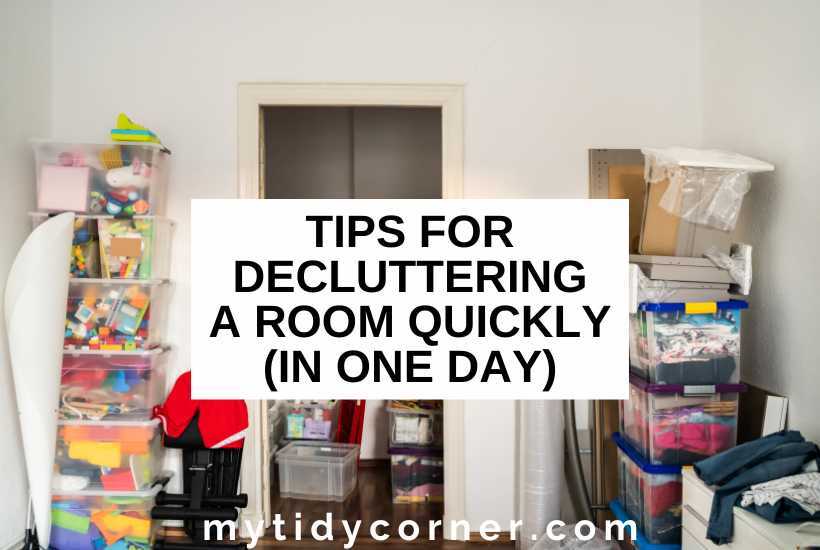
Assessing the space in a newly decluttered room is a critical step towards maximizing its functionality and aesthetic appeal. By carefully examining the dimensions, existing furniture, and the necessity of items, one can create a more organized and inviting environment. This process involves strategic evaluations that ensure every square foot serves a purpose, thereby enhancing the overall living experience.To effectively utilize a room’s potential, several techniques for space assessment can be employed.
These include taking precise measurements, evaluating the influence of existing furniture on the space, and determining which items are essential for daily use. These assessments lay the groundwork for thoughtful organization and optimal use of available space.
Key Measurements for Room Dimensions
Accurate measurements of the room are foundational for any space optimization. Begin by measuring the length and width of the room along with the height of the walls. These measurements will help in determining the total square footage and assist in planning the layout effectively.
- Use a tape measure to obtain exact dimensions, noting any architectural features such as windows, doors, and built-ins that may impact furniture placement.
- Consider the scale of prospective furniture pieces concerning the room size; large furniture can overwhelm small rooms while small pieces may get lost in larger spaces.
- Utilize graph paper or a digital room planner to visualize how different arrangements will affect the flow and functionality of the space.
Evaluation of Existing Furniture
The furniture currently in the room significantly influences spatial dynamics. An assessment of each piece can reveal opportunities for better arrangement or potential replacements with more efficient alternatives.
- Analyze each item’s dimensions and how they interact within the space. Bulky furniture can obstruct movement and make the room feel cramped.
- Consider multifunctional furniture options, such as ottomans with storage or extendable tables, which can save space while providing utility.
- Identify pieces that do not fit the style or function of the room, as these can detract from the intended design and purpose.
Determining Essential versus Non-Essential Items
Categorizing belongings into essential and non-essential items is crucial for maintaining an organized space. This classification aids in keeping only what is necessary, thereby enhancing the room’s usability.
- Conduct a thorough inventory of items within the room, considering their frequency of use, sentimental value, and contributions to overall comfort.
- Utilize a simple “four-box system” where boxes are labeled “keep,” “donate,” “sell,” and “discard.” This method simplifies decision-making and encourages a more decisive approach to decluttering.
- Implement a rule such as the one-year rule, which suggests that if an item has not been used in the past year, it may be time to let it go.
“Maximizing space goes beyond mere organization; it involves a conscious selection of what truly enhances your living experience.”
Furniture Arrangement Strategies
In order to maximize space in a newly decluttered room, effective furniture arrangement strategies are essential. A well-planned layout not only enhances the overall aesthetic appeal of the room but also improves functionality and accessibility. By utilizing zoning principles, creating a conducive flow, and incorporating multi-functional furniture, one can significantly optimize the available space.Utilizing zoning principles involves designating specific areas within the room for particular activities.
This approach helps in organizing furniture placement effectively, ensuring that each zone serves its intended purpose without overcrowding the space. For example, in a living room, you might create distinct zones for seating, entertainment, and reading.
Functional Layout Using Zoning Principles
Creating a functional layout requires careful consideration of how different areas will be used. Here are several key zoning strategies:
- Define Activities: Clearly identify the primary functions of the room, such as relaxation, work, or dining. This understanding guides furniture selection and arrangement.
- Use Area Rugs: Employ area rugs to visually separate different zones, making it easier to delineate spaces within a room.
- Maintain Clear Sightlines: Arrange furniture in a manner that allows for unobstructed views across the room, enhancing openness and accessibility.
- Consider Traffic Flow: Ensure that pathways between zones are clear and wide enough for easy movement. A minimum of 24 inches of clearance is recommended for high-traffic areas.
Enhancing flow and accessibility is fundamental in furniture arrangement. This includes placing furniture in a manner that promotes smooth movement throughout the space. Ensuring that heavy or large items are positioned strategically can prevent clutter and facilitate a more inviting environment.
Tips for Arranging Furniture to Enhance Flow and Accessibility
To create a harmonious and accessible room layout, consider the following tips:
- Focus on Focal Points: Position key pieces of furniture, such as a sofa or a coffee table, around a central focal point, like a fireplace or a television, to create a natural gathering area.
- Use Vertical Space: Incorporate tall shelving or wall-mounted units to draw the eye upward, freeing up floor space while providing additional storage.
- Opt for Lightweight Furniture: Choose furniture that can be easily moved, allowing for flexibility in arrangement and adjustments as needs change.
- Complement with Accessories: Utilize decorative items and accessories to enhance the function of each zone without overcrowding. This can include side tables or ottomans that serve double duty.
Incorporating multi-functional furniture is an effective strategy for maximizing space. This type of furniture serves more than one purpose, allowing for efficient use of the available area while also enhancing the room’s versatility.
Benefits of Multi-Functional Furniture in Maximizing Space
Multi-functional furniture provides several advantages that contribute to spatial efficiency. Here are some notable benefits:
- Space Saving: Furniture items like sofa beds or storage ottomans reduce the need for additional pieces, conserving valuable floor space.
- Increased Functionality: Items that can adapt to different uses, such as a fold-out dining table or a desk that transforms into a console, add flexibility to the room.
- Enhanced Organization: Furniture with built-in storage solutions helps to keep clutter at bay, promoting a tidy and organized environment.
- Stylish Versatility: Multi-functional pieces can be stylish and align with the room’s decor, allowing for aesthetic appeal without compromising on functionality.
Storage Solutions
Maximizing space in a newly decluttered room often hinges on effective storage solutions. By strategically incorporating various storage options, one can create an organized, functional living space that meets everyday needs. Understanding different types of storage can greatly enhance both the aesthetic and utility of a room.
Types of Storage Options
There are numerous storage options available that can be utilized to optimize space. Considering these alternatives can transform how a room functions.
- Vertical Storage: Utilizing vertical space is essential in small rooms. Tall bookshelves, hanging organizers, and wall-mounted hooks can draw the eye upward, making the room appear larger.
- Under-Bed Storage: The area under the bed often goes unused. Storage bins or drawers can be placed here to store seasonal clothing, shoes, or extra bedding, making it a perfect solution for maximizing space.
- Wall-Mounted Shelves: Installing shelves on walls is an effective way to keep surfaces clear while displaying books, décor, or necessary items. They provide both storage and an opportunity for personal expression.
Importance of Hidden Storage Spaces in Furniture
Incorporating hidden storage spaces within furniture is a clever way to maintain a clean and organized room. This concept not only provides additional storage but also enhances the furniture’s functionality.
“Furniture with hidden storage can significantly reduce clutter while maintaining style.”
Examples of hidden storage include:
- Ottomans with Storage: These multifunctional pieces serve as both seating and a storage solution for blankets, games, or magazines.
- Storage Beds: Many beds now come with built-in drawers or lift-up mattresses that allow for easy access to stored items.
- Coffee Tables with Storage Compartments: This can keep living areas neat by concealing remotes, coasters, and other living room essentials.
Guide for Selecting Storage Containers and Organizers Based on Room Size
Choosing the right storage containers and organizers is crucial for maximizing space effectively. The size of the room will dictate the types of storage solutions that can be used. When selecting storage options, consider the following:
- Small Rooms: Opt for slim, stackable containers that can be easily tucked away. Clear bins can make it easy to see contents without needing to open each container.
- Medium Rooms: Choose multipurpose furniture pieces that can serve as both storage and functional items, such as benches with compartments or bookshelves with cabinets.
- Large Rooms: Larger spaces offer the flexibility to use bulkier storage solutions like cabinets or wardrobes. Incorporating decorative baskets can add style while providing ample storage.
In conclusion, implementing diverse storage solutions can significantly enhance the functionality of a newly decluttered room. By prioritizing vertical space, utilizing hidden storage, and carefully selecting storage containers based on room size, one can create a harmonious and organized living environment.
Decluttering Methods
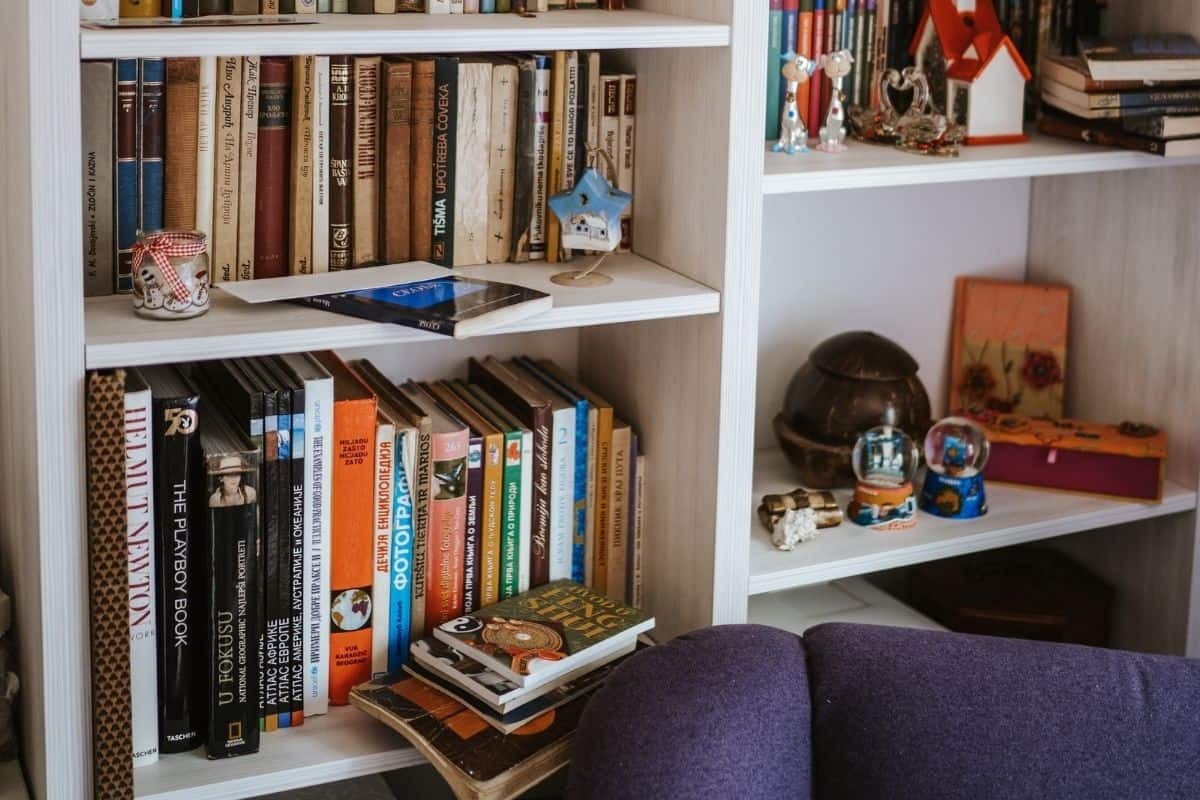
Decluttering is an essential process that paves the way for a more organized and functional space. Employing systematic methods enables individuals to not only clear their spaces but also develop lasting habits that prevent clutter from accumulating again. The following sections will Artikel effective decluttering strategies, emphasizing both the immediate and ongoing management of space.
Step-by-Step Process for Systematically Decluttering a Room
A structured approach to decluttering ensures that the process is efficient and thorough. Here is a step-by-step guide to declutter any room:
- Set Clear Goals: Define what you want to achieve with the decluttering process, such as creating more space, reducing stress, or enhancing aesthetics.
- Start Small: Choose one area, such as a drawer or a corner, to avoid feeling overwhelmed.
- Sort Items: Use three categories: Keep, Donate/Sell, and Discard. Assess each item’s value and necessity.
- Evaluate Storage Solutions: For items you decide to keep, consider how they will be stored. Utilize boxes, bins, or shelves effectively.
- Dispose Responsibly: For items in the Discard category, ensure they are recycled or disposed of in an environmentally friendly way.
- Clean the Area: Once decluttered, take the opportunity to clean the surfaces and spaces that were previously hidden.
- Organize Remaining Items: Arrange the kept items in a way that promotes accessibility and ease of use.
- Establish a Maintenance Routine: Develop a regular schedule for reassessing and maintaining the decluttered space.
Importance of the ‘One-In-One-Out’ Rule
The ‘one-in-one-out’ rule is a practical guideline designed to maintain the integrity of a decluttered space. This rule states that for every new item brought into a space, an existing item must be removed. Adhering to this principle fosters mindfulness regarding purchases and helps to prevent the gradual return of clutter.
“By implementing the one-in-one-out rule, you not only manage your space effectively but also cultivate a more intentional and conscious lifestyle.”
Methods for Keeping Clutter at Bay
After an initial decluttering effort, it is crucial to adopt strategies that will help in maintaining order. Below are effective methods to keep clutter at bay:
- Daily Tidying: Spend a few minutes each day to put items back in their designated places. This small habit can prevent larger messes from developing.
- Regular Decluttering Sessions: Schedule monthly or seasonal decluttering sessions to reassess belongings and eliminate unnecessary items.
- Designate a ‘Clutter Box’: Keep a box for any items that may accumulate. Once full, evaluate its contents for removal or proper storage.
- Optimize Storage Solutions: Regularly review and improve storage solutions to accommodate changing needs and prevent overflow.
- Mindful Shopping: Before making new purchases, consider whether the item is truly necessary and what will be given up in return.
Decor and Aesthetics
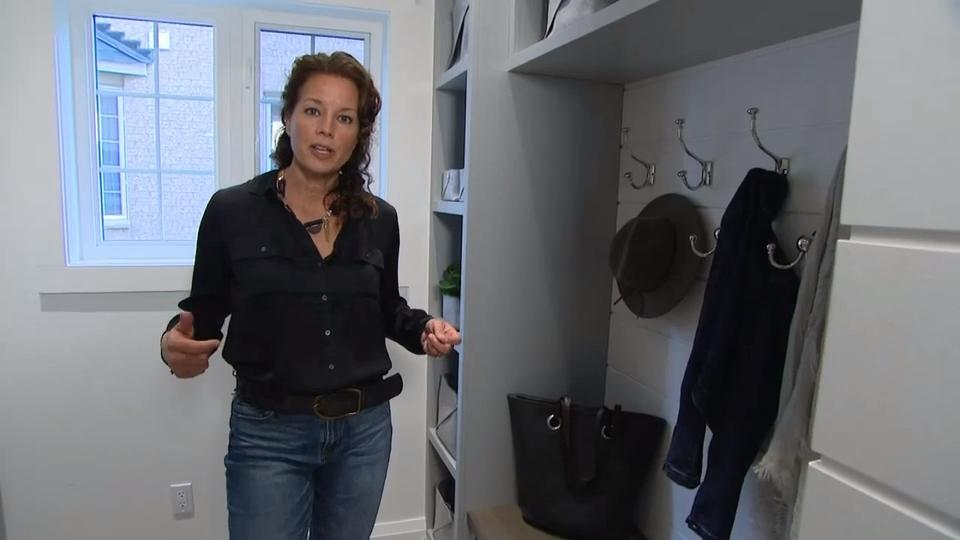
The decor and aesthetics of a room play a crucial role in maximizing space, especially in newly decluttered environments. Thoughtful choices in colors, patterns, and decor elements can significantly influence how spacious and inviting a room feels. This section delves into effective strategies for enhancing space perception through decor, including color selection, the use of mirrors and lighting, and the importance of minimalism.
Color Selection and Patterns
Choosing the right colors and patterns is essential for creating the illusion of a larger room. Lighter colors, such as whites, creams, and soft pastels, tend to reflect more light and make a room feel airy. Conversely, darker colors can absorb light and make spaces feel smaller. Consider implementing the following strategies:
- Utilize a monochromatic color scheme, which employs varying shades of a single color to create a cohesive and expansive look.
- Incorporate vertical stripes in wall patterns, which can draw the eye upward and create the perception of height.
- Choose soft, subtle patterns for textiles such as curtains and cushions, which can add interest without overwhelming the space.
Mirrors and Lighting
Mirrors and effective lighting can transform a room by creating an illusion of depth and space. When placed strategically, mirrors can reflect light and views, making a room feel more open.To enhance space perception, consider the following:
- Position large mirrors opposite windows to maximize natural light reflection and enhance the overall brightness of the room.
- Incorporate mirrors with unique frames as decorative elements that add character while serving a functional purpose.
- Utilize layered lighting, combining ambient, task, and accent lighting to create a warm, inviting atmosphere that visually expands the space.
Minimalistic Decor
Minimalistic decor emphasizes functionality and simplicity, which is vital in maximizing room space. This style focuses on the essentials, reducing visual clutter and allowing for a more open and spacious feel.Key aspects of minimalistic decor include:
- Selecting multifunctional furniture that serves more than one purpose, such as a coffee table with storage or a sofa bed.
- Limiting the number of decorative items to only those that add value or meaning, reducing distractions and enhancing focus on the space itself.
- Employing a neutral color base with occasional bold accents to maintain interest without overwhelming the senses.
“Less is more” is a guiding principle in minimalistic design, allowing each element to shine and contributing to a more spacious environment.
Organizational Systems
Creating a well-organized space is essential for maximizing functionality and efficiency in any room, particularly in areas prone to clutter such as closets, kitchens, and home offices. An effective organizational system not only enhances the aesthetic appeal of your space but also streamlines daily tasks, making it easier to find and access items when needed. By carefully designing these systems, integrating technology, and maintaining regular routines, you can ensure that your newly decluttered room remains orderly and enjoyable.
Designing Organizational Systems for Specific Areas
When designing organizational systems for specific areas, it is crucial to consider the unique requirements and usage patterns of each space. Tailored systems can drastically improve both functionality and aesthetics. For example, in closets, using modular shelving can maximize vertical space while providing designated areas for shoes, folded clothes, and accessories. In kitchens, implementing pull-out drawers and labeled bins can enhance efficiency during meal prep and cooking.
Home offices benefit from desk organizers, file systems, and technology charging stations, which help keep documents and devices in order.
- Closets: Use adjustable shelving and hanging organizers to create flexible storage solutions that can adapt as your needs change.
- Kitchens: Incorporate clear containers for pantry storage to easily track supplies and reduce waste.
- Home Offices: Invest in drawer dividers for stationery and tools, and label files to streamline document retrieval.
Integrating Technology into Organization
In today’s digital age, leveraging technology can significantly enhance your organizational systems. Various apps and digital tools are available to assist in maintaining order and efficiency within your home.For instance, task management apps such as Todoist or Trello can help keep track of household tasks, while inventory management apps can assist in monitoring pantry supplies or closet contents. Additionally, using smart home technologies like automated lighting or smart speakers can help you manage your environment more effectively.Implementing these technologies not only aids in organization but also ensures that you remain aware of your items’ status, reducing the likelihood of redundant purchases and clutter accumulation.
- Task Management: Use apps to schedule cleaning or decluttering tasks, ensuring they are part of your routine.
- Inventory Monitoring: Apps like Sortly can help track items, making it easier to know what you have and what you need.
- Smart Home Integration: Use devices that enable voice commands to manage tasks hands-free, enhancing convenience.
Benefits of Regular Maintenance Routines
Establishing regular maintenance routines is vital in preserving the organization of your space. These routines help prevent clutter from accumulating and ensure that each area remains functional.A well-structured maintenance routine should include scheduled clean-ups, periodic reassessment of storage solutions, and a commitment to decluttering on a regular basis. Implementing a simple system, such as the “one in, one out” rule, can also help maintain balance in your organizational efforts.
“Regular maintenance not only sustains your organizational systems but also contributes to a more peaceful and productive environment.”
- Scheduled Clean-Ups: Designate specific days for reorganizing and cleaning to stay ahead of clutter.
- Periodic Assessments: Assess your organizational systems every few months to ensure they meet your evolving needs.
- Decluttering Commitment: Regularly evaluate items for necessity, promoting a culture of simplicity and order.
Eco-Friendly Space Maximization
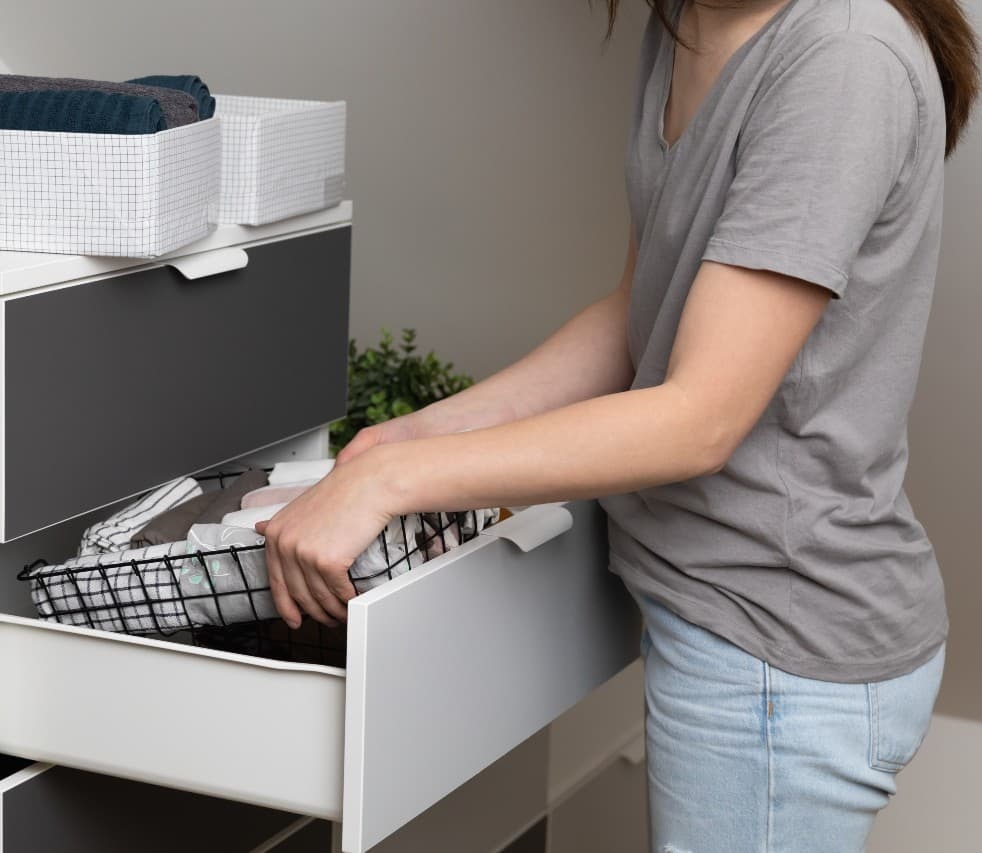
Incorporating eco-friendly principles into space maximization not only enhances the aesthetic and functionality of a room but also contributes to a sustainable future. By choosing sustainable materials, repurposing items, and considering the environmental impact of decluttering methods, homeowners can create harmonious and responsible living spaces.Sustainable materials play a crucial role in both storage solutions and furniture design. When selecting items for your newly decluttered room, consider the following types of materials known for their eco-friendliness:
Sustainable Materials for Storage Solutions and Furniture
Utilizing materials that are renewable, recycled, or have low environmental impact is essential. Some notable sustainable materials include:
- Bamboo: A fast-growing grass that is durable and requires minimal pesticides or fertilizers.
- Cork: Harvested sustainably from the bark of cork oak trees, it is biodegradable and provides excellent insulation.
- Reclaimed Wood: Wood salvaged from old structures or furniture, reducing the need for new timber and preserving forests.
- Recycled Metal: Repurposed metals minimize the carbon footprint associated with mining and manufacturing.
- Natural Fabrics: Materials such as organic cotton, linen, and hemp that are produced without harmful chemicals.
The advantages of repurposing and upcycling items are manifold, especially regarding waste reduction. Repurposing involves finding new uses for items that may otherwise be discarded, while upcycling transforms old products into something of higher value. Not only does this practice minimize waste, but it also fosters creativity and personal expression in interior design.
Benefits of Repurposing and Upcycling
Engaging in repurposing and upcycling yields several benefits for the environment and personal space:
- Waste Reduction: Diverts items from landfills, conserving resources and reducing pollution.
- Unique Decor: Creates one-of-a-kind pieces that reflect individual style and history.
- Cost-Effective: Minimizes the need to purchase new items, saving money while enhancing creativity.
- Community Impact: Encourages a culture of sustainability, inspiring others to adopt similar practices.
When decluttering, it is crucial to integrate strategies that prioritize environmental considerations. Effective decluttering methods should aim to minimize waste while maximizing usability and sustainability.
Strategies for Environmentally Conscious Decluttering
Implementing eco-friendly decluttering strategies can lead to significant positive impacts. Here are some methods to consider:
- Donate or Sell: Consider donating usable items to local charities or selling them online to extend their lifecycle.
- Recycle Properly: Ensure that recyclable materials such as paper, glass, and plastic are disposed of in accordance with local recycling guidelines.
- Compost Organic Waste: Create a compost system for organic materials, reducing landfill contributions and enriching soil.
- Digital Alternatives: Replace physical items such as documents and media with digital counterparts to save space and resources.
- Mindful Purchasing: Adopt a “one in, one out” policy where new items are only brought in after eliminating an existing one, thereby controlling clutter and waste.
By integrating these eco-friendly practices into the process of maximizing space in a newly decluttered room, individuals can create an environment that is both functional and respectful of the planet. Embracing sustainability through conscientious material selection, innovative repurposing, and mindful decluttering fosters a healthier living space and contributes to a greener future.
Personalization and Space Adaptation
Personalizing a space while maintaining organization is essential for creating a comfortable and functional environment. It allows individuals to feel a sense of ownership and connection to their surroundings. However, personalization should not come at the expense of clutter or functionality; effective strategies exist that balance personal expression with practical organization.
Incorporating personal elements into a room can enhance its aesthetic appeal without compromising its orderliness. Emphasizing the significance of intentional design choices, individuals can display their unique tastes while ensuring that the space remains functional. One effective method is to curate a selection of decorative items that resonate personally, such as artwork, photographs, or handmade objects, and arrange them systematically to avoid visual chaos.
Incorporating Personal Elements in an Organized Space
When incorporating personal elements into an organized space, it is crucial to select items that reflect personal style yet maintain harmony with the overall design. Here are strategies to achieve that balance:
- Curate Display Areas: Designate specific shelves or surfaces for personal items, ensuring that each piece is visually distinct yet contributes to the room’s overall theme.
- Limit the Number of Personal Items: Adhering to a ‘less is more’ philosophy allows for personal touches without overwhelming the space. Aim for a limited number of significant items that elicit joy or nostalgia.
- Seasonal Rotations: Introduce seasonal decor that aligns with personal style, such as autumn leaves or winter decorations, swapping them out to refresh the space while keeping it organized.
- Integrate Functional Decor: Choose decorative items that serve a purpose, such as stylish storage solutions or multifunctional furniture, allowing personal expression without cluttering the area.
Adaptive Strategies for Evolving Needs
Spaces must adapt to changing needs, particularly when accommodating guests or children. Employing flexible furniture arrangements and multifunctional design can greatly enhance the usability of a room. Consider the following adaptive strategies:
- Use Modular Furniture: Invest in furniture that can be easily rearranged or reconfigured to accommodate gatherings or changing family dynamics, such as sectional sofas or extendable dining tables.
- Incorporate Child-Friendly Elements: For families with children, select durable and easy-to-clean materials while integrating playful decor that can be easily updated as children grow.
- Create Zones: Designate specific areas for different activities, such as a reading nook or play area, ensuring that each zone remains organized and functional.
- Implement Folding Solutions: Utilize foldable furniture, such as chairs or tables, which can be stored away when not in use, freeing up space for other activities.
Framework for Seasonal Adjustments
Adjusting decor and furniture arrangements seasonally allows individuals to keep their spaces fresh while accommodating changes in light, temperature, and function. A well-defined framework for seasonal adjustments can streamline this process:
- Assess Seasonal Needs: Evaluate how the room will be used during different seasons, such as increased indoor activities in winter or outdoor gatherings in summer.
- Plan for Decor Swaps: Create a seasonal decor plan that includes a checklist of items to introduce or remove, ensuring existing decor remains cohesive and uncluttered.
- Adjust Lighting: Adapt lighting to suit seasonal changes, opting for softer lighting in winter to create warmth or brighter options in summer for a more open ambiance.
- Store Off-Season Items: Organize storage for seasonal decor, keeping off-season items out of sight to maintain an organized environment, while ensuring easy access for future use.
Closing Summary
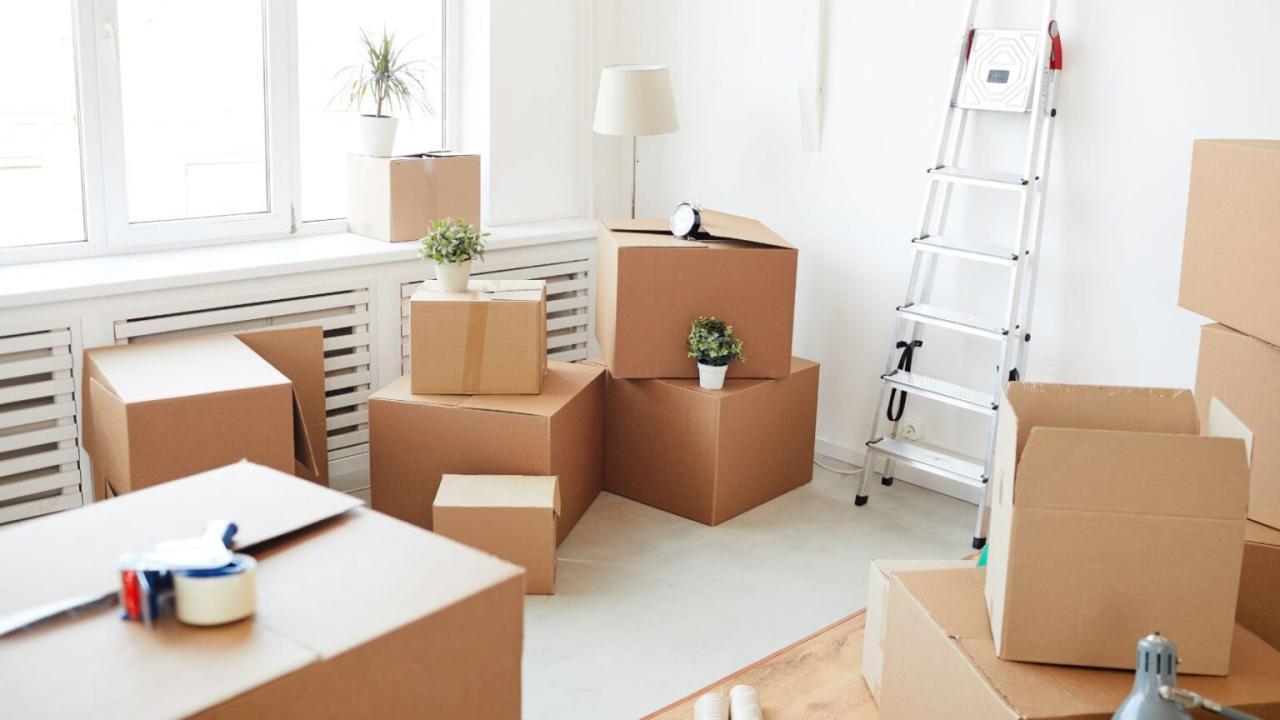
In conclusion, mastering the art of maximizing space in a newly decluttered room is not just about organization; it’s about crafting a living environment that reflects your lifestyle and needs. By implementing the techniques and strategies discussed, you can maintain a serene space that evolves with you over time. Remember, the key lies in thoughtful planning, regular maintenance, and a commitment to keeping your surroundings both functional and aesthetically pleasing.