How to Organize Your Home After a Major Declutter invites you to explore the transformative journey of creating a harmonious living space. A well-structured home not only enhances aesthetic appeal but also fosters mental clarity and boosts overall productivity. By understanding the nuances of organization, you can unlock the full potential of your decluttering efforts, ensuring that you not only remove excess items but also establish a sustainable order.
In this engaging guide, we will delve into the vital aspects of organizing post-declutter, from assessing your available space and developing a strategic plan to implementing effective storage solutions. You will discover practical tips tailored to various areas of your home, paving the way for a more organized and enjoyable living environment.
Understanding the Importance of Organizing After Decluttering
A successful decluttering process is only the first step towards creating a harmonious living environment. After removing extraneous items from your home, organizing the remaining belongings is crucial to maintain the newfound clarity and functionality. This next phase not only enhances the visual appeal of your space but also plays a vital role in promoting mental well-being and improving everyday efficiency.The psychological benefits of a well-organized home are profound.
An organized environment contributes significantly to reducing stress and anxiety. When belongings are systematically arranged, it creates a sense of order that can instill calmness and promote focus. A clutter-free space allows individuals to mentally breathe easier, fostering a more positive mindset and enhancing emotional health. Additionally, a well-organized home enables individuals to easily locate items, which minimizes frustration and saves time, further contributing to a sense of well-being.
Impact of Organization on Daily Routines and Productivity
Establishing an effective organization system directly affects daily routines and overall productivity. A well-structured environment enhances efficiency by streamlining tasks and reducing time spent searching for items. This efficiency can have a ripple effect on various aspects of life, such as work and personal projects. By organizing spaces, one can cultivate a routine that is more manageable and less chaotic.
There are multiple ways organization positively influences productivity:
- Time Management: When items are stored in designated places, it minimizes the time spent looking for them. For instance, a well-organized kitchen allows for quick meal preparation, as utensils and ingredients are easily accessible.
- Focus Enhancement: A tidy environment reduces distractions. For example, a clutter-free workspace helps individuals concentrate better, leading to higher quality work and increased output.
- Encourages Routine Development: Organized spaces promote the establishment of consistent habits. Creating a designated area for daily items, like keys and bags, simplifies the routine of leaving home.
Distinction Between Decluttering and Organizing
It is essential to understand that decluttering and organizing, while interconnected, serve different purposes. Decluttering involves the process of removing unnecessary or unwanted items, whereas organizing refers to the method of arranging and categorizing the remaining items in an efficient manner. This distinction plays a crucial role in achieving a functional space:
- Purpose: Decluttering is about eliminating excess, while organizing focuses on creating a system for what remains.
- Process: Decluttering typically involves sorting through possessions, making decisions on what to keep, donate, or discard. Organizing, on the other hand, involves categorizing these kept items and determining the best storage solutions.
- Outcome: The outcome of decluttering is a reduction in physical items, while organizing results in a structured environment that enhances usability.
Assessing Your Space Post-Declutter
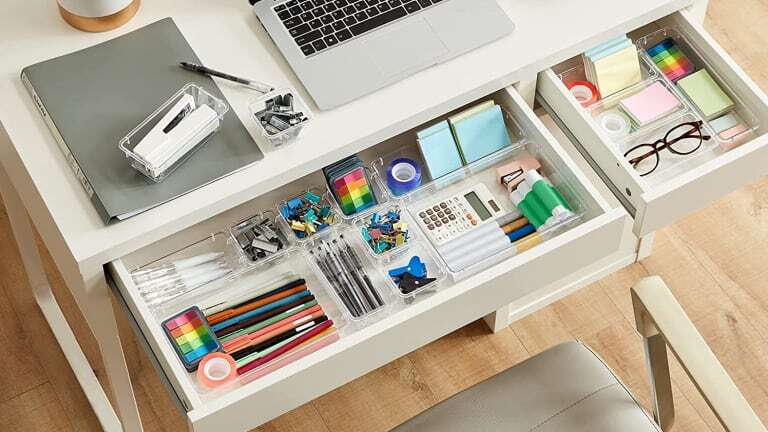
Assessing your space after a major declutter is a crucial step in the organization process. This stage allows you to evaluate the areas that require further organization and to develop a strategic plan for storing your belongings efficiently. By understanding the layout and functionality of your space, you are better equipped to create a home that is both inviting and functional.Evaluating your space involves a thorough examination of each area within your home, identifying what remains after the decluttering process.
It is essential to categorize items based on their functionality and usage while also considering your storage needs. This ensures that everything has its designated place, enhancing both accessibility and aesthetic appeal.
Steps to Evaluate Areas that Need Organization
Begin your assessment by conducting a room-by-room evaluation. This methodical approach allows for a comprehensive understanding of each space’s challenges and opportunities.
- Inspect each room thoroughly, noting areas that are cluttered or disorganized.
- Identify frequently used items and consider their proximity to relevant spaces (e.g., kitchen utensils near cooking areas).
- Look for underutilized areas such as corners, closets, or shelves that could serve better purposes with the right organization.
Categorizing Items Based on Functionality and Usage
Proper categorization of items is essential for maintaining organization in your home. The following methods can aid in this process:
- Functional Categorization: Group items by their functions, such as kitchen tools, office supplies, or seasonal decorations. This ensures that similar items are located together, making them easily accessible.
- Usage Frequency: Create categories based on how often items are used. Items used daily should be stored in easily accessible spaces, while less frequently used items can be placed in harder-to-reach areas.
- Room Specificity: Keep items in their respective rooms. For instance, all gardening tools should be stored in a shed or garage, while sports equipment belongs in designated storage areas in your home’s recreation spaces.
Techniques for Measuring Space and Identifying Storage Needs
Understanding the dimensions of your space is vital for effective organization. Here are techniques to measure and determine your storage needs:
- Measure Room Dimensions: Use a measuring tape to capture the length and width of each room. This data can help you understand how much furniture or storage solutions can fit without overcrowding the space.
- Furniture Dimensions: Measure existing furniture to ensure that new storage solutions complement your current layout rather than disrupt it.
- Vertical Space Utilization: Consider the height of your space by measuring wall length and height. This can inform decisions about tall shelves or cabinets that maximize vertical storage.
“Effective organization begins with a clear understanding of your space and what it can accommodate.”
Developing an Organization Plan
Creating a comprehensive organization plan is essential for maintaining a tidy and functional home after a major declutter. A well-structured plan helps ensure that the space remains organized and that the effort put into decluttering yields lasting results. By systematically approaching the organization process, you can create an environment that promotes efficiency and tranquility.To develop an effective organization plan, consider following these steps:
Step-by-Step Guide for Forming an Organization Strategy
Start by assessing your decluttered space and identifying areas that require organization. This step is crucial for understanding the scope of your project and establishing a clear path forward. The following guide Artikels a methodical approach to crafting your organization strategy:
- Define Your Goals: Determine what you want to achieve through organization. Whether it is maximizing space, enhancing aesthetics, or improving functionality, having clear objectives will guide your decisions.
- Evaluate Your Space: Analyze each room and note areas that require immediate attention. Consider factors such as functionality, frequency of use, and ease of access.
- Choose Organizational Tools: Based on your evaluation, select appropriate tools such as bins, shelves, and drawer dividers. Consider both form and function to ensure the tools complement your home’s aesthetic.
- Develop a Categorization System: Organize items into categories that make sense for your lifestyle. This may involve grouping items by usage, frequency, or type to streamline access.
- Create Storage Solutions: Implement customized storage solutions tailored to the specific needs of each area. Ensure that the solutions are practical and can adapt to changing needs over time.
- Set Up a Maintenance Plan: Establish a routine for maintaining organization. Regularly review and adjust your systems to accommodate new items or changes in your lifestyle.
Timeline for Implementing the Plan
Having a timeline can greatly enhance the organization process, ensuring that each task is completed in a timely manner. A structured timeline will help you stay focused and motivated. Consider the following timeline breakdown:
“A timeline serves as a roadmap, guiding you through the process and providing milestones to celebrate your progress.”
- Week 1: Define your goals and evaluate your space.
- Week 2: Choose organizational tools and develop a categorization system.
- Week 3: Create storage solutions for each area of your home.
- Week 4: Implement the organization plan and begin utilizing the new systems.
- Week 5: Set up a maintenance plan and schedule regular reviews to ensure continued organization.
Prioritizing Areas of Your Home
Determining the order in which to tackle organization can significantly impact your success. It is beneficial to prioritize areas that are used most frequently or tend to be the most chaotic. This approach not only provides immediate relief but also motivates you to continue organizing. Consider the following prioritization strategy:
“Focus on high-traffic areas to create a more enjoyable and functional living environment.”
- Kitchens: Typically, kitchens are the heart of the home. Organizing this space can greatly enhance daily routines and meal preparations.
- Living Rooms: As common gathering spaces, decluttering and organizing living rooms can improve comfort and aesthetics.
- Bathrooms: Streamlined bathrooms ensure a smoother morning routine, making this area a priority.
- Bedrooms: A well-organized bedroom promotes relaxation and better sleep, making it essential for overall well-being.
- Home Offices: For those working from home, an organized office is crucial for productivity and focus.
Choosing the Right Storage Solutions
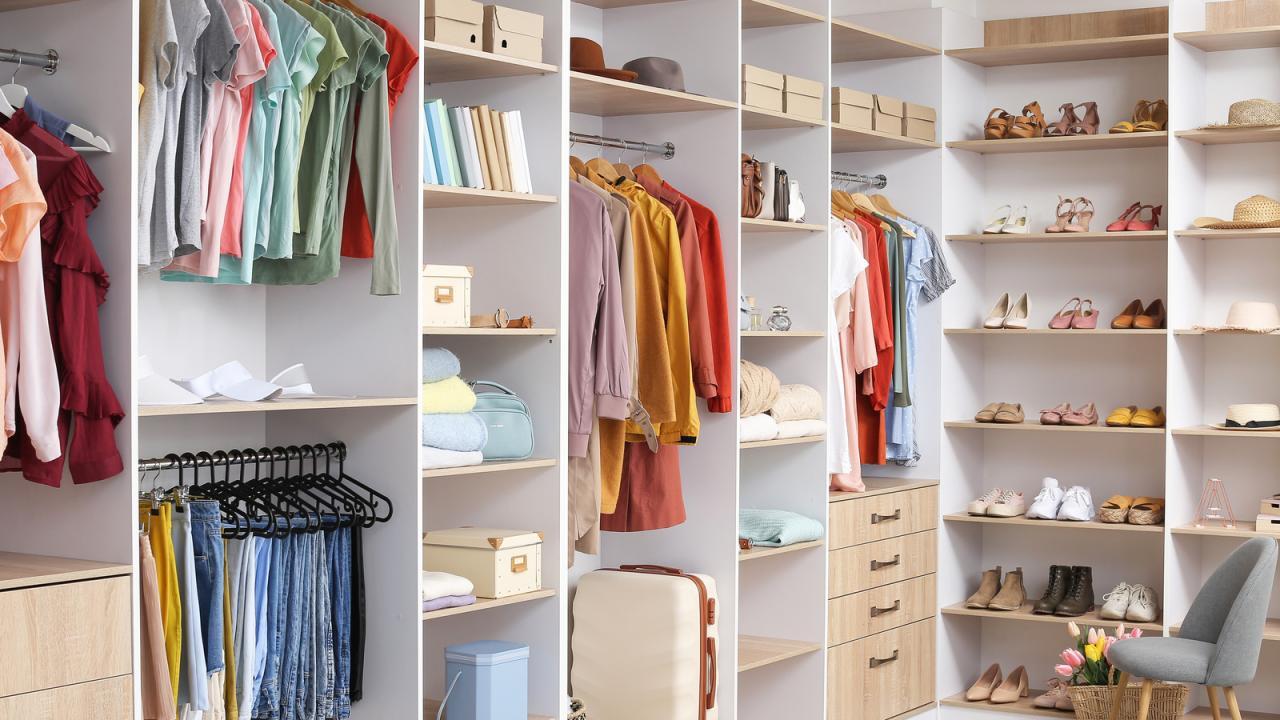
Selecting appropriate storage solutions is integral to maintaining an organized home after a major declutter. The right storage can enhance functionality, improve accessibility, and ensure that each item has its designated place, which ultimately contributes to a more efficient living space. In this section, we will explore various storage options available, how to select them based on the specific function of each room, and also suggest some DIY projects for custom storage solutions that can elevate your organization game.
Types of Storage Options
There is a wide array of storage solutions to consider when organizing your home. A thorough understanding of these options allows you to tailor your approach based on your unique needs. Below are some common types of storage solutions:
- Bins: Versatile and available in various sizes, bins are ideal for storing items that do not require frequent access. They can be stacked and labeled for easy identification.
- Shelves: Open shelving can hold books, decorative items, or storage bins. They optimize vertical space and are perfect for displaying items attractively.
- Drawers: Often found in desks and cabinets, drawers provide hidden storage, keeping clutter out of sight while allowing for easy access to frequently used items.
- Baskets: Stylish and functional, baskets can be used on shelves or as standalone storage. They provide a cozy aesthetic while keeping items organized.
- Hooks and Racks: Ideal for entryways, kitchens, and bathrooms, hooks and racks maximize wall space and keep frequently used items easily accessible.
Selecting Storage Solutions Based on Room Function
When choosing storage solutions, it’s essential to consider the function of each room. Different areas of your home will have distinct storage needs that should inform your selection.In the kitchen, for example, utilizing cabinets with pull-out drawers can enhance accessibility to pots and pans, while wall-mounted shelves can hold spices and cookbooks within reach. Conversely, in a bedroom, using under-bed storage bins can help keep seasonal clothing out of sight yet easily retrievable.In the living room, opt for multi-functional furniture like ottomans with hidden storage or coffee tables with shelves to maximize space without sacrificing style.
For home offices, dedicated file storage or modular shelving can accommodate both books and office supplies, ensuring a clutter-free workspace.
Examples of DIY Storage Projects
Creating custom storage solutions can be both fulfilling and practical. Here are a few DIY projects that can help you optimize your space effectively:
- Over-the-Door Shoe Organizer: Transform a standard shoe organizer into a storage solution for cleaning supplies or craft materials. Simply hang it on the back of a door for easy access.
- Repurposed Crates: Wooden crates can serve as stylish shelving or side tables. Stack them in varying configurations to create unique storage displays.
- Magnetic Spice Rack: Use small magnetic containers attached to a metal strip to organize spices on a kitchen wall, freeing up valuable counter space.
- Customized Bookshelves: Build bookshelves that fit your space perfectly, whether they are floor-to-ceiling units or small corner shelves, tailored to your decor.
- Fabric Storage Bins: Sew fabric bins using scrap materials to store toys or miscellaneous items. These can be customized to match your home’s color scheme.
“An organized space is not just about aesthetics; it’s about creating a functional environment that supports your daily activities.”
Implementing Organization Systems
Establishing effective organization systems is vital in maintaining the tidy and functional environment created after a major declutter. By systematically arranging spaces, you can ensure that each item has a designated place, minimizing chaos and enhancing productivity. Implementing these systems involves creating coherent filing systems for documents, organizing various living areas, and formulating checklists for ongoing maintenance.
Designing an Effective Filing System for Documents
An organized filing system is essential for efficient document management, allowing for quick access to important information when needed. The following steps can assist in creating an effective filing system:
1. Categorize Documents
Group documents by type, such as bills, contracts, warranties, or personal records. This initial sorting will create a foundation for your filing system.
2. Choose a Filing System
Decide between a physical filing system using folders and cabinets or a digital filing system using cloud storage or dedicated software. Each method offers unique advantages for accessibility and security.
3. Label Everything
Clearly label all folders and files. Use a consistent naming convention that includes dates or categories to enhance searchability.
4. Regular Maintenance
Schedule periodic reviews of your documents to discard those that are no longer necessary, ensuring your filing system remains streamlined.
“An effective filing system saves time, reduces stress, and protects important information.”
Organizing Closets, Kitchens, and Living Areas
The organization of different sections of your home requires tailored approaches to suit their distinct functions. Below are effective strategies for organizing closets, kitchens, and living areas: Closets:
- Use matching hangers for a cohesive look and to maximize hanging space.
- Implement vertical space by adding shelves or using cascading hangers for shorter garments.
- Consider drawer organizers for smaller items like accessories or shoes to keep them visible and accessible.
Kitchens:
- Group similar items together, such as baking supplies, cookware, and utensils, creating zones for functionality.
- Use clear containers for pantry items, allowing for easy visibility and preventing clutter.
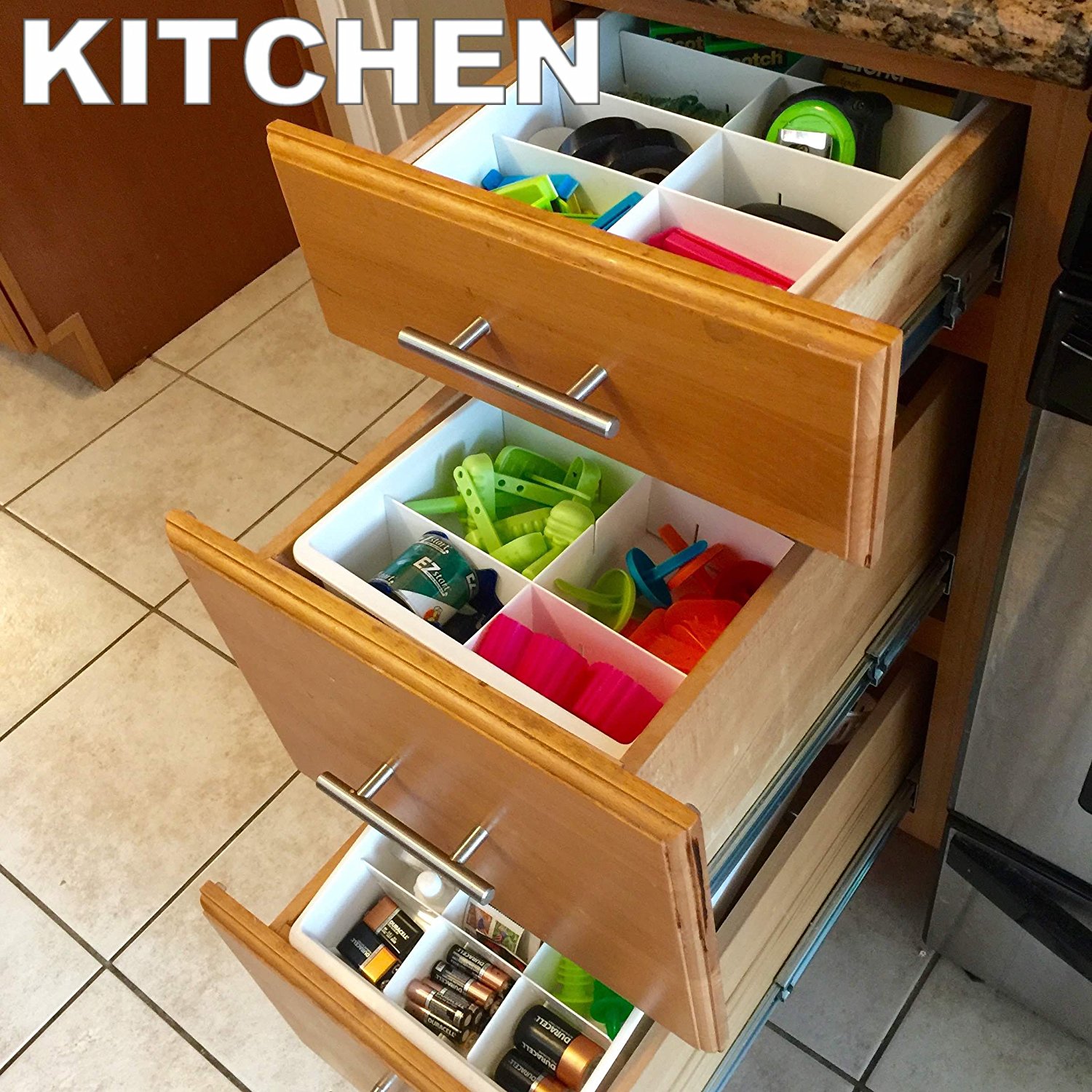
- Install pull-out drawers or organizers for cabinets, making it easier to access items at the back.
Living Areas:
- Designate specific areas for activities (e.g., reading corner, game area) to create functional spaces.
- Use decorative baskets or bins for toys or miscellaneous items to maintain a tidy appearance.
- Optimize furniture arrangement for flow and accessibility, ensuring spaces remain inviting.
Checklist for Maintaining Organization in High-Traffic Spaces
To keep high-traffic areas organized, establishing a checklist can be immensely beneficial. This checklist serves as a reminder of daily tasks and facilitates a clutter-free environment:
1. Daily Cleaning
Allocate 5-10 minutes at the end of each day to tidy up surfaces, ensuring that items are returned to their designated places.
2. Declutter Regularly
Schedule weekly decluttering sessions to evaluate items that accumulate in high-traffic areas, such as entryways or living rooms.
3. Incorporate Storage Solutions
Use multi-functional furniture, such as ottomans with storage, to provide discreet storage options for frequently used items.
4. Establish a Command Center
Create a designated space for important papers, keys, and daily essentials to streamline morning routines.
5. Encourage Family Participation
Involve all household members in maintaining organization by assigning specific responsibilities related to shared spaces.Implementing these organization systems will not only enhance the overall aesthetic of your home but also promote functionality and ease of access to all essential items.
Incorporating Maintenance Routines
Establishing maintenance routines is essential to sustaining the benefits of a well-organized home after a significant declutter. These routines ensure that the efforts put into organizing do not fade over time and help in developing habits that keep chaos at bay. By incorporating regular cleaning and organizing schedules, you can create an environment that remains functional and inviting.
A systematic approach to maintenance involves breaking down tasks into manageable parts. This not only makes the process less overwhelming but also ensures that all areas of your home receive the attention they require. As your household dynamics evolve, it is vital to adjust your routines to accommodate new needs and changes in lifestyle.
Establishing a Regular Maintenance Schedule
Creating a maintenance schedule requires identifying tasks that should be performed daily, weekly, and monthly. This organization allows you to keep your home in order while gradually building habits that promote cleanliness and organization. The following lists provide essential maintenance tasks across different time frames. Daily tasks are the foundation of your maintenance routine, helping to keep clutter at bay on a regular basis.
- Make the bed each morning.
- Put away items immediately after use.
- Wipe down kitchen counters and dining tables after meals.
- Sort through mail and paperwork daily to prevent buildup.
Weekly tasks allow for a more thorough cleaning and organization of your space, making sure that areas receive deeper attention.
- Vacuum and mop floors in all rooms.
- Clean bathrooms, including toilets, sinks, and mirrors.
- Dust surfaces, shelves, and electronics.
- Organize closets and drawers to prevent clutter accumulation.
Monthly tasks are essential for maintaining a high standard of cleanliness and organization, ensuring that nothing falls through the cracks.
- Deep clean kitchen appliances, such as the oven and refrigerator.
- Declutter storage areas, such as the garage or basement, to assess needs.
- Reassess your organization systems and make necessary adjustments.
- Rotate seasonal items, such as clothing or holiday decorations, to keep them organized.
As the household evolves, it’s important to remain flexible with your maintenance routines. This may involve reassessing the frequency of tasks or introducing new ones based on lifestyle changes, such as adding family members or adjusting to work-from-home arrangements. By being proactive and adaptable, you can ensure that your home continues to be a haven of organization and tranquility.
Utilizing Technology for Home Organization
In today’s digital age, technology plays a pivotal role in enhancing our ability to maintain an organized home. By leveraging various applications and tools, we can streamline our organization processes, ensuring our spaces remain functional and clutter-free. This segment explores the diverse technological solutions available for home organization, emphasizing their practicality and effectiveness.
Apps and Tools for Home Organization
Numerous applications are specifically designed to aid in home organization. Utilizing these tools can significantly simplify the management of your living space.
- Todoist: This task management app helps in creating to-do lists for organizing household chores and tasks. Its user-friendly interface allows for easy prioritization and scheduling.
- Evernote: Perfect for note-taking and organizing ideas, this app can store receipts, lists, and documents, keeping all essential information in one place.
- Sortly: A visual inventory management software, Sortly allows users to catalog their belongings with images, making it easier to keep track of items and ensure everything has its designated place.
- Home Inventory: This app helps to maintain a detailed inventory of home belongings, which is particularly useful for insurance purposes and when decluttering.
Utilizing Digital Calendars and Reminders
Digital calendars and reminders are essential tools for maintaining organization. They facilitate the efficient management of tasks and appointments, ensuring that nothing is overlooked. Implementing reminders for regular cleaning schedules or organizing sessions can keep your home in order. For instance, setting recurring reminders on your calendar for seasonal decluttering can help establish a habit. Additionally, integrating shared calendars with family members can improve communication regarding household responsibilities, allowing for collaborative efforts in maintaining an organized home.
Integration of Smart Home Technology
Smart home technology has transformed the way we interact with our living spaces, providing innovative solutions for organization and efficiency. Incorporating devices such as smart speakers, thermostats, and even connected lighting systems can enhance the organizational experience. For example, using voice-activated smart speakers allows you to set reminders, create shopping lists, or even control smart appliances, all of which contribute to a more orderly environment.
Additionally, smart storage solutions, such as automatic closet organizers or smart shelving systems, can optimize space usage. These technologies can streamline access to belongings, reducing clutter and promoting a more structured home environment.
“Technology, when utilized effectively, can create a seamless integration of organization and convenience in our personal spaces.”
Personalizing Your Organized Space
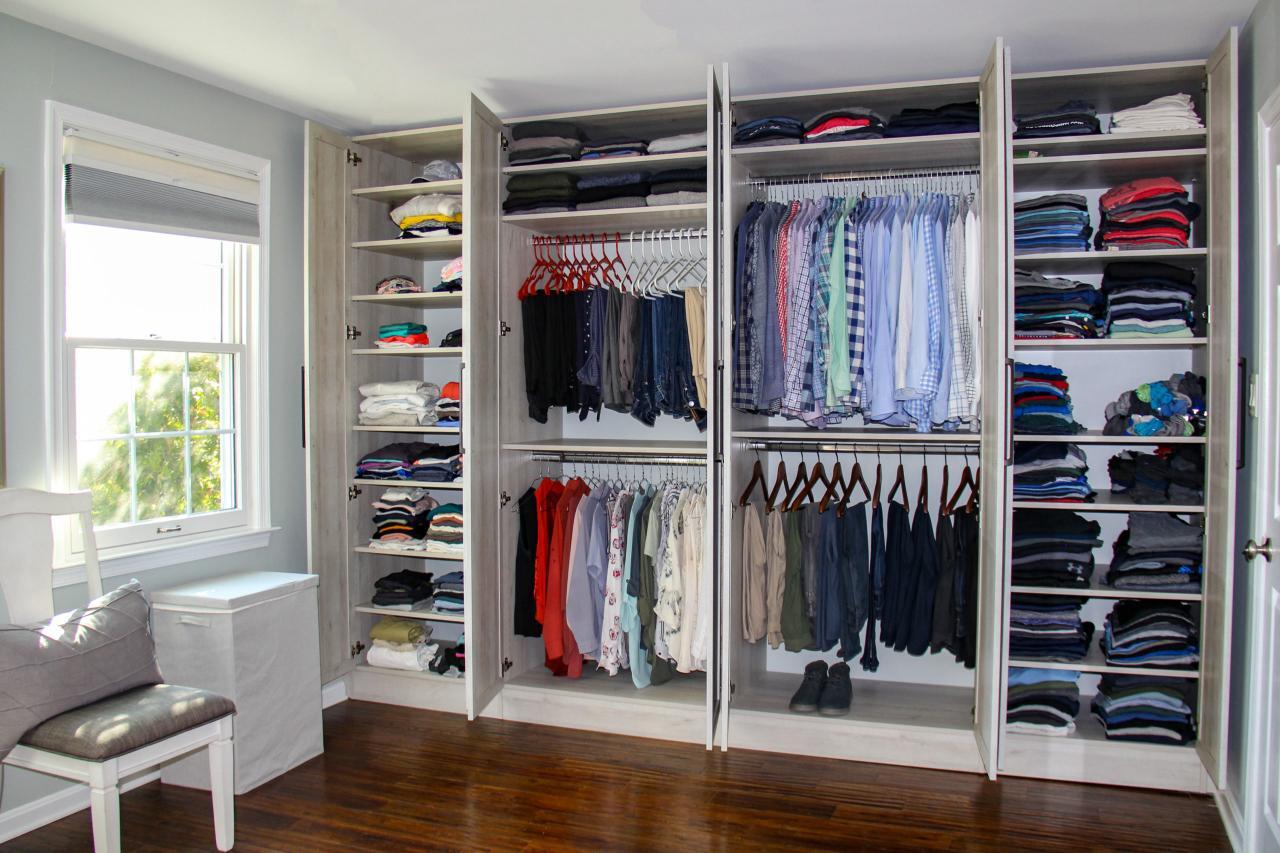
To create a space that feels uniquely yours while maintaining organization, personalizing your environment is essential. This aspect not only enhances the overall aesthetic but also fosters a sense of comfort and belonging. By carefully integrating personal touches, you can transform an organized space into a reflection of your personality and style.Balancing aesthetics with functionality is crucial in home organization.
An organized space should not only be visually appealing but also practical for everyday use. Striking this balance ensures that your personalized touches do not compromise the efficiency of your organized areas.
Incorporating Personal Touches
Adding personal touches to your organized spaces can create a warm and welcoming atmosphere. Here are several ways to achieve this balance effectively:
- Photographs and Artwork: Display framed photographs or original artwork that resonates with you. Consider creating a dedicated gallery wall that showcases your favorite memories and artistic expressions without overwhelming the space.
- Color Coordination: Choose storage solutions in colors that complement your existing decor. This approach not only helps maintain a cohesive look but also brings personality to the organized areas.
- Sentimental Objects: Incorporate a few cherished items, such as heirlooms or souvenirs, into your organized setup. Limit these to avoid cluttering while still featuring pieces that tell your story.
- Textiles and Fabrics: Use decorative baskets, cushions, or throws that reflect your style while serving a functional purpose. These elements can add texture and warmth to your organized spaces.
- Plants and Greenery: Adding plants not only enhances aesthetic appeal but also contributes to a healthier environment. Choose low-maintenance varieties that fit well within your organized areas.
Balancing Aesthetics with Functionality
To ensure that your organized space remains functional while being visually appealing, consider the following principles:
- Design with Purpose: Each item should have a designated space that aligns with its purpose. For instance, keep frequently used items within reach while storing lesser-used decor items higher up or out of sight.
- Minimalism in Decoration: Adopt a minimalist approach to decor by selecting a few impactful pieces rather than crowding your space with numerous items. This way, your organized areas remain serene and uncluttered.
- Functional Furniture: Choose furniture that serves dual purposes, such as storage ottomans or bookshelves that also display decor. This strategy helps maintain organization without sacrificing style.
- Visible Storage: Use open shelving or transparent containers for items that are both aesthetically pleasing and functional. This keeps your space organized while allowing you to showcase personal items.
Incorporating Art and Decor Without Clutter
The integration of art and decor should enhance rather than detract from the organization. Here are strategies to accomplish this:
- Curated Displays: Select a few key pieces of art or decor to display prominently, ensuring they complement the overall theme of the room. Curated displays reduce visual clutter while providing a focal point.
- Functional Decor: Opt for decor items that serve a purpose, such as decorative trays for organizing smaller items or aesthetically pleasing storage boxes. This allows for both beauty and usability.
- Rotating Displays: Periodically rotate artwork or decor items to keep your organized spaces feeling fresh. This method allows you to enjoy a variety of pieces without overwhelming the area.
- Color Consistency: Maintain a cohesive color palette across your decor items to create harmony in your organized space. This consistency helps the eye flow smoothly and reduces the feeling of clutter.
Overcoming Common Organization Challenges
The process of organizing a home can present several challenges that may impede progress. Identifying these common obstacles and implementing effective solutions is crucial for maintaining an orderly and functional living space. Understanding these challenges enables individuals to devise strategies that facilitate a smoother organizing experience.
Identifying Frequent Obstacles
Common obstacles can hinder the organization process, making it essential to recognize and address each. These challenges often include time constraints, decision fatigue, and the emotional weight of certain possessions.
- Time Constraints: Many individuals find it difficult to allocate sufficient time for organizing. Establishing a schedule that breaks down the organization into manageable tasks can alleviate this pressure.
- Decision Fatigue: The overwhelming number of decisions regarding what to keep or discard can lead to paralysis. Creating a clear set of criteria for decision-making can simplify this process, such as focusing on utility, joy, or sentimentality.
- Emotional Attachments: Letting go of items with sentimental value poses a significant challenge. Acknowledging the memories associated with these items and considering alternatives, such as photographs or keepsake boxes, can provide closure while reducing clutter.
Strategies for Dealing with Sentimental Items
Sentimental items often evoke strong emotions, making it difficult to part with them. To manage these possessions effectively, employing specific strategies can help in reconciling emotions and space.
- Create a Memory Box: Designate a small box for sentimental items, ensuring that it is limited in size. This encourages thoughtful selection and prevents excess accumulation.
- Digitize Memories: Consider taking photographs of items that hold sentimental value. This allows for the preservation of memories without the physical space that those items occupy.
- Establish a “One-In, One-Out” Rule: For every new sentimental item brought into the home, consider removing another. This strategy promotes conscious consumption and helps maintain balance.
Maintaining Organization in Shared Spaces
Shared spaces often present unique challenges when it comes to maintaining organization. Clear communication and collaborative efforts are essential to ensure everyone is on the same page regarding organization.
- Set Shared Goals: Collaboratively establish goals for organization within shared spaces. This helps ensure that everyone involved understands the objectives and the importance of maintaining a tidy environment.
- Develop a Cleaning Schedule: Implement a regular cleaning and organization schedule to distribute responsibilities evenly among all occupants. This promotes accountability and ensures that tasks are completed consistently.
- Use Clear Labels: Clearly label storage bins and areas to designate specific uses. This practice not only fosters organization but also aids in quick retrieval and return of items to their designated places.
Last Recap
In conclusion, mastering the art of home organization after a major declutter is not just about tidiness; it is about creating a nurturing environment that reflects your personality and enhances your daily life. By adhering to the Artikeld strategies and maintaining your organizational systems, you can ensure that your home remains a sanctuary of peace and efficiency. Embrace the potential of your organized space and watch as it enriches your lifestyle.