How to Repurpose Items Instead of Throwing Them Away presents an engaging exploration of a practice that not only conserves resources but also fosters creativity and innovation. In today’s world, where waste is a mounting concern, understanding the significance of repurposing has never been more critical. By providing insightful statistics on waste and environmental repercussions, as well as historical examples of repurposing from diverse cultures, we can appreciate the profound impact of this practice on our planet and society.
As we delve deeper, we will uncover practical strategies to identify items within our homes that can be repurposed, along with a variety of creative ideas that can breathe new life into everyday objects. The importance of encouraging a repurposing culture will also be highlighted, showcasing how individuals and communities can come together to make environmentally conscious choices that benefit all.
Introduction to Repurposing
Repurposing involves creatively transforming items that may otherwise be discarded into useful products or decorations. This practice is essential in our efforts to reduce waste, conserve resources, and minimize our environmental footprint. As consumerism drives an ever-increasing demand for new products, the importance of finding innovative ways to reuse existing items becomes paramount.Recent statistics highlight a concerning trend: according to the Environmental Protection Agency (EPA), in the United States alone, approximately 292.4 million tons of trash were generated in 2018, with only about 35% being recycled or composted.
This staggering number emphasizes the urgent need to embrace practices such as repurposing to mitigate the detrimental effects of waste on our environment. Every item that is repurposed not only reduces landfill contributions but also conserves the energy and resources required to produce new goods.Historically, various cultures have demonstrated the benefits of repurposing. In wartime, for instance, many countries encouraged citizens to convert household items into necessary tools or materials.
During World War II, the United Kingdom initiated a “Make Do and Mend” campaign, promoting the idea of repairing and repurposing clothing and materials to support the war effort. In rural communities, farmers have long utilized old machinery parts to create new tools or structures. This practice is not merely a modern-day trend; it is rooted in a time-honored tradition of resourcefulness that can be observed across different societies and eras.
Statistics on Waste Generation
The increasing volume of waste generated globally is alarming and calls for immediate attention. Understanding the scale of waste can motivate individuals and communities to prioritize repurposing.
- In 2020, the global waste generation reached approximately 2.01 billion metric tons, a figure projected to reach 3.4 billion metric tons by 2050 if current trends continue. This projection serves as a stark reminder of the need for sustainable practices.
- The World Bank reports that high-income countries generate about 1,200 kilograms of waste per person annually, while low-income countries produce around 500 kilograms per person. This disparity highlights the varying levels of consumption and waste management practices worldwide.
- A significant percentage of waste, especially plastic, ends up in oceans, posing serious threats to marine life and ecosystems. It is estimated that 11 million metric tons of plastic waste enter the oceans each year, and this figure could triple by 2040 if no action is taken.
“Every item that is repurposed not only reduces landfill contributions but also conserves the energy and resources required to produce new goods.”
Historical Examples of Repurposing
Understanding the historical context of repurposing can inspire modern efforts towards sustainability. Various cultures have a rich tradition of resourcefulness, and their methods provide valuable lessons.
- In ancient civilizations, materials such as clay, wood, and metals were often recycled and repurposed for new uses. For example, pottery shards from broken vessels were frequently melted down and reshaped into new pottery, minimizing waste.
- The Japanese art of kintsugi highlights the philosophy of embracing imperfections by repairing broken pottery with gold lacquer, transforming the damaged item into a unique piece of art rather than discarding it.
- In the Great Depression, individuals repurposed old furniture and household items due to economic necessity, showcasing ingenuity and creativity in the face of hardship.
These examples underline the timeless relevance of repurposing, demonstrating that it not only serves practical purposes but also fosters a deeper appreciation for creativity, sustainability, and cultural heritage.
Identifying Items for Repurposing
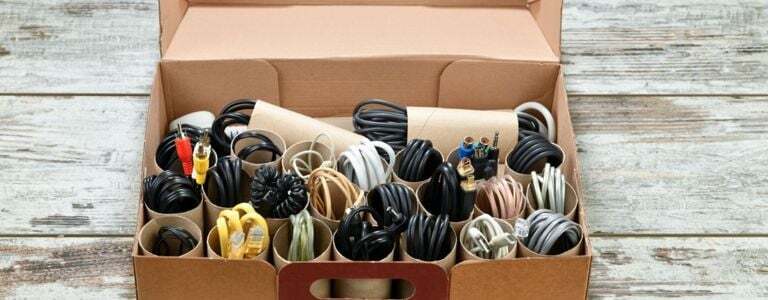
Determining which items around your home can be repurposed is crucial in reducing waste and embracing a more sustainable lifestyle. Assessing your belongings with a creative mindset can unveil multiple potential uses for items that are otherwise destined for the trash. This section will guide you through effective methods of evaluating your possessions for repurposing, common household items that can be creatively transformed, and a checklist to streamline the identification process.
Methods for Assessing Items
To accurately assess which items can be repurposed, consider the following methods:
1. Condition Assessment
Examine the physical condition of items. If they are still functional but no longer serve their intended purpose, they may have potential for repurposing.
2. Creativity and Imagination
Engage your creativity by envisioning different uses for an item. A broken chair might become a unique garden planter, while glass jars can serve as stylish storage solutions.
3. Utility Evaluation
Determine if the item can fulfill a different functional role. For instance, an old ladder may serve as a decorative bookshelf or a display for plants.
4. Trends and Inspirations
Research current trends in repurposing and DIY projects. Websites and social media platforms often showcase innovative ideas that can inspire new uses for discarded items.
Common Household Items and Their New Uses
Several household items are frequently thrown away, yet they can be creatively repurposed. Below are examples of such items along with their potential new uses:
Glass Jars
These can be utilized as organizers for office supplies, herb gardens, or even as charming candle holders.
Old T-Shirts
Instead of discarding them, transform them into cleaning rags, tote bags, or quilts.
Wine Corks
Collecting these can lead to various projects like bulletin boards, coasters, or decorative wreaths.
Wood Pallets
Often discarded, they can be converted into furniture, garden beds, or wall art.
Plastic Containers
These can serve as storage for small items, planters, or even as art supplies holders.
Checklist for Identifying Repurposing Opportunities
Creating a checklist can significantly streamline the process of identifying repurposing opportunities in your home. Below is a comprehensive checklist to help guide your evaluation:
Check for Functional Items
Are there items that are still operational but not in use?
Evaluate Sentimental Items
Do you have belongings that hold emotional value but are not used? Can they be transformed into a display or art piece?
Consider Durability
Is the material sturdy enough to be repurposed? Items made of wood or metal often have a longer life span in their new form.
Assess Quantity
Do you have multiple items of the same kind, such as jars or containers? Think about how they might be combined for a new purpose.
Visualize the Transformation
Can you picture how the item would look or function in its new role? Sketching or brainstorming ideas can assist in this visualization.
Repurposing not only minimizes waste but also cultivates creativity and resourcefulness in everyday life.
Creative Repurposing Ideas
Repurposing everyday items not only contributes to reducing waste but also sparks creativity by transforming old possessions into new and functional creations. By giving a second life to items that might otherwise be discarded, individuals can harness their ingenuity, save money, and minimize their environmental impact.Innovative repurposing can turn ordinary objects into extraordinary solutions. Below is a collection of practical ideas showcasing how to transform common items such as glass jars, old clothes, and wooden pallets into valuable and functional pieces.
Innovative Repurposing Projects
The following table presents various items that can be repurposed along with their original uses, new uses, and the benefits of these transformations. Understanding these options can inspire individuals to think creatively and practically when considering items that are no longer in use.
| Item | Original Use | New Use | Benefits of New Use |
|---|---|---|---|
| Glass Jars | Food storage | Storage for office supplies or kitchen herbs | Eco-friendly organization and easy visibility of items |
| Old Clothes | Worn garments | Reusable shopping bags or cleaning rags | Reduced reliance on plastic bags and sustainable cleaning solutions |
| Wooden Pallets | Shipping material | Garden furniture or vertical garden planters | Cost-effective outdoor solutions and promoting gardening |
| CDs | Music storage | Coasters or reflective garden art | Unique decor items that reduce waste |
Each of these projects can be executed with simple materials, often requiring minimal tools and time. For instance, glass jars can be cleaned and painted to create attractive storage solutions within an hour, while an old shirt can be transformed into a shopping bag in about 30 minutes with a few basic sewing skills. By utilizing these creative ideas, individuals can not only declutter their spaces but also embrace sustainable living through meaningful projects.
The act of repurposing fosters a spirit of innovation and resourcefulness, emphasizing the importance of environmental stewardship in everyday life.
DIY Projects for Repurposing

Repurposing items is an excellent way to reduce waste while unleashing creativity and resourcefulness. Engaging in DIY projects not only provides a sense of accomplishment but also fosters environmental responsibility. Below are three detailed DIY projects that exemplify how everyday items can be transformed into functional and aesthetically pleasing pieces.
Repurposed Wooden Pallet Furniture
Wooden pallets are often discarded after transporting goods, but they can be creatively transformed into unique furniture pieces. This project allows you to create items such as coffee tables, seating, or even garden planters.To begin, gather the following tools and supplies:
- Wooden pallets (ensure they are clean and free from chemical treatments)
- Saw (hand saw or power saw)
- Screwdriver or drill
- Screws or nails
- Sanding block or electric sander
- Wood stain or paint (optional)
- Protective gloves and safety goggles
Ensure to follow these safety tips when working with pallets:
Always inspect pallets for any signs of damage or pests before use, and wear gloves to protect your hands from splinters.
Start by disassembling the pallets, cutting them to the desired size, and sanding the edges to avoid splinters. Assemble the pieces using screws or nails, and finish with wood stain or paint if desired.
Glass Jar Herb Garden
Repurposing glass jars can lead to a charming indoor herb garden, combining functionality with decorative appeal. This project utilizes old glass jars to create attractive planters that can be placed on windowsills or kitchen counters.For this project, you will need:
- Glass jars (any size, such as mason jars or old sauce jars)
- Potting soil
- Herb seeds or seedlings (basil, parsley, mint, etc.)
- Small rocks or gravel (for drainage)
- Labels (optional for identifying herbs)
- Watering can or spray bottle
Important best practices include:
Ensure the jars have drainage holes or layer small rocks at the bottom to prevent overwatering.
Begin by cleaning the jars thoroughly. Add a layer of small rocks at the bottom for drainage, then fill the jar with potting soil, leaving space for the seeds or seedlings. Plant the herbs according to package instructions and water them lightly. Label each jar if desired, and place them in a sunny location.
Old T-Shirt Tote Bag
An old t-shirt can easily be transformed into a reusable tote bag, perfect for shopping or carrying personal items. This project is not only simple but also contributes to reducing plastic waste.Materials required include:
- Old t-shirt (any size)
- Scissors
- Sewing needle and thread (optional for reinforced handles)
Safety considerations for this project are minimal, but:
Be cautious when using scissors to avoid cuts, and ensure to cut away from your body.
To create the tote, start by laying the t-shirt flat. Cut the sleeves off and create a larger opening for the bag’s handles. Next, cut the bottom of the shirt into fringes, about 6 inches long. Tie the fringes together in pairs to close the bottom of the bag, ensuring it is secure. Your tote bag is now ready for use, showcasing fun designs while promoting sustainability.
Benefits of Repurposing
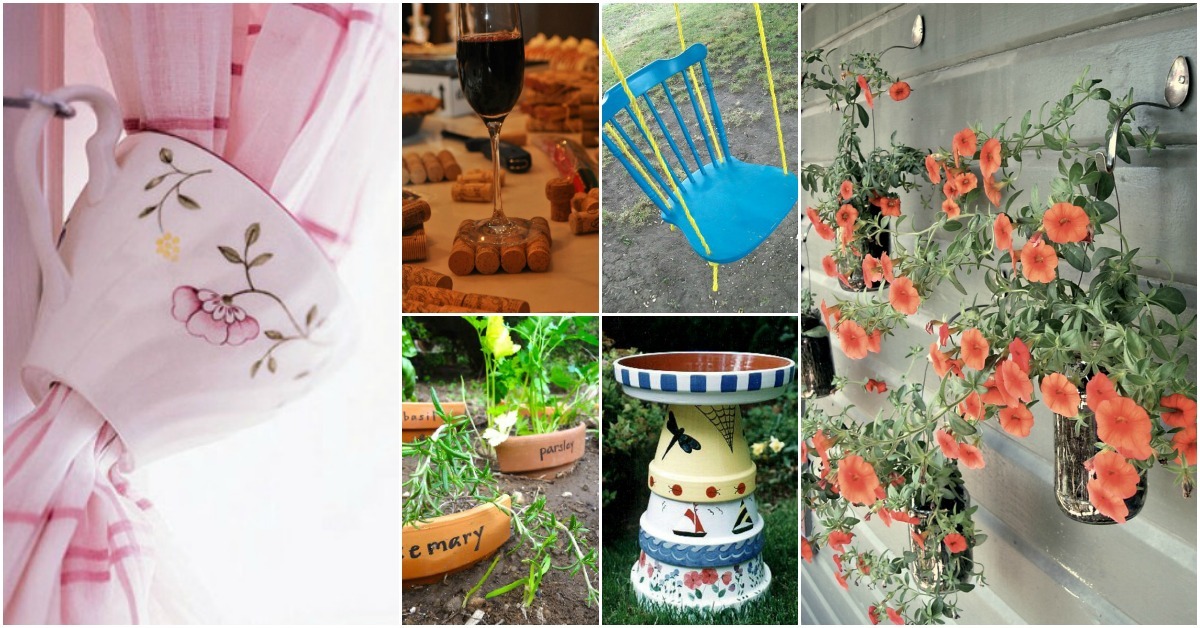
Repurposing items offers a multitude of advantages that extend beyond mere creativity. It serves as a powerful tool for environmental sustainability, economic improvement, and community engagement. By transforming unwanted items into useful objects, we can create a positive impact on our planet and society.Repurposing significantly contributes to reducing landfill waste and conserving natural resources. When items are repurposed rather than discarded, they do not contribute to the ever-growing waste problem.
The benefits of this practice can be categorized into environmental and economic aspects.
Environmental Benefits
The environmental advantages of repurposing are substantial and play a crucial role in sustainable living practices. The following points Artikel these benefits:
- Reduction in Landfill Waste: Repurposing significantly lowers the volume of items ending up in landfills, thereby reducing pollution and the strain on waste management systems.
- Conservation of Resources: By reusing materials, we decrease the demand for new resources, leading to a reduction in energy consumption and raw material extraction.
- Lower Carbon Footprint: Fewer new products mean less transportation and production, which in turn reduces greenhouse gas emissions. This contributes to a healthier environment.
- Promotion of Biodiversity: By minimizing resource extraction, we help protect ecosystems and promote biodiversity, allowing flora and fauna to thrive.
Economic Advantages
Repurposing can also yield significant economic benefits for individuals and communities. The economic implications include:
- Cost Savings: Individuals can save money by repurposing items instead of purchasing new products, making it an economical alternative.
- Job Creation: Repurposing initiatives can lead to job creation in local communities, particularly in sectors focused on recycling and sustainable practices.
- Increased Market Value: Items that are creatively repurposed can often be sold at a premium, generating income for individuals and small businesses.
- Community Engagement: Repurposing projects foster community collaboration and innovation, strengthening social ties and local economies.
Case Studies of Successful Repurposing Projects
Numerous communities around the globe have embraced the practice of repurposing, resulting in impactful projects. These case studies highlight successful initiatives that showcase the benefits of repurposing.
- Community Gardens in Urban Areas: In cities like Detroit, abandoned lots have been transformed into community gardens using repurposed materials, providing fresh produce and cultivating community spirit.
- Furniture Banks: Organizations like the Furniture Bank in Toronto repurpose donated furniture, providing low-income families with essential household items while reducing waste.
- Art Installations: Cities such as Cape Town have initiated art projects that use repurposed materials, creating public art while promoting awareness about waste reduction.
“Repurposing is not just about recycling; it’s about redefining the way we view waste and creating value from what we once considered useless.”
Challenges and Solutions in Repurposing
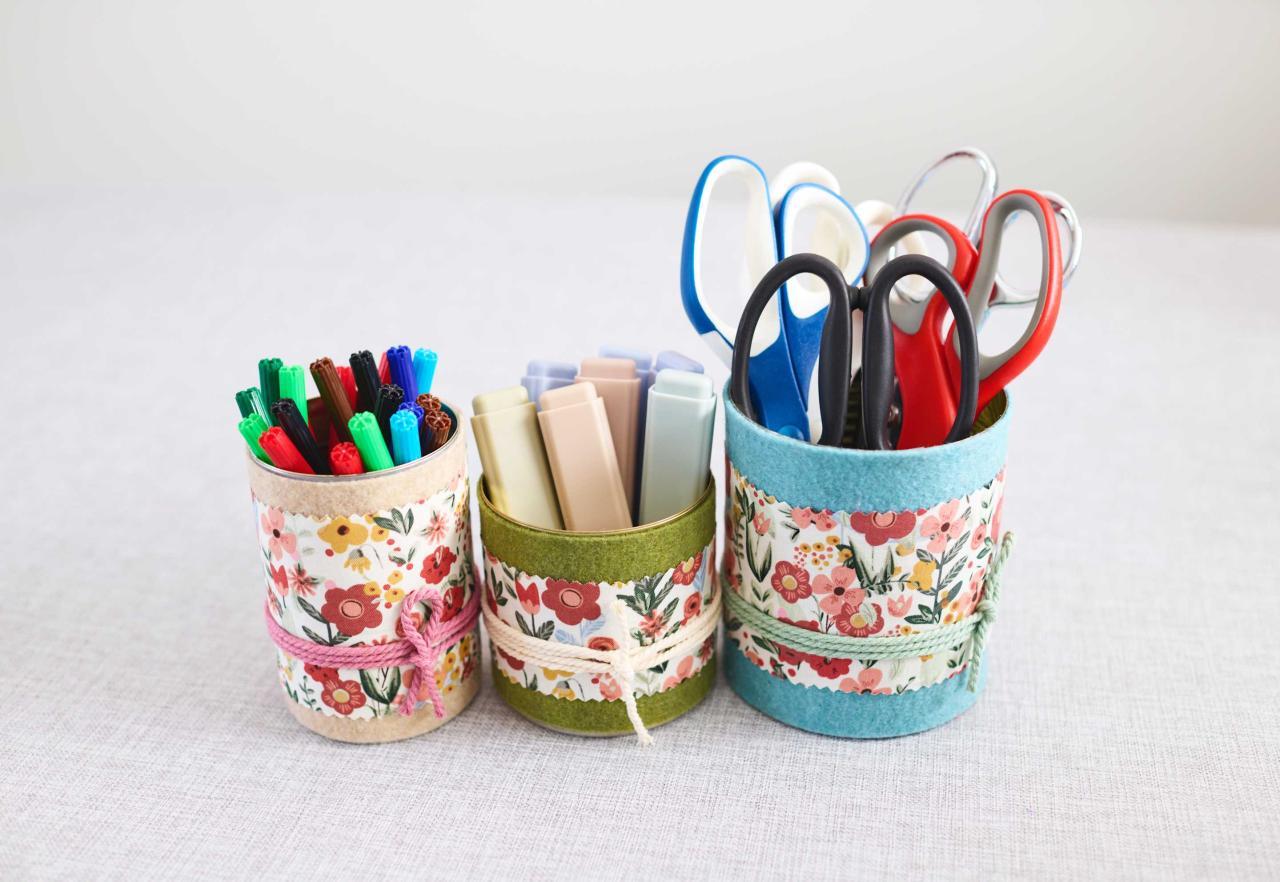
Repurposing items can be a fulfilling endeavor, but it often comes with a set of challenges that can deter individuals from fully engaging in the process. Recognizing these obstacles and devising effective solutions can enhance the repurposing experience and encourage more sustainable living practices.One common challenge in the repurposing process is the difficulty of envisioning a new use for an item.
Many individuals may struggle to see the potential of items that no longer serve their original purpose. Another significant hurdle is the lack of necessary skills or tools to carry out repurposing projects, which can lead to frustration and abandonment of the effort. Additionally, some people may find it hard to get started due to time constraints or lack of motivation.
Strategies to Overcome Challenges
To effectively tackle these challenges, several strategies can be employed that facilitate the repurposing process and inspire creativity. These strategies can help individuals overcome the barriers they encounter.
Visual Inspiration
Engaging with online platforms such as Pinterest or Instagram can provide visual inspiration and innovative ideas for repurposing. By exploring various projects and seeing how others have transformed items, individuals may discover new possibilities for their belongings.
Skill-Building Workshops
Attending local workshops or online classes focused on crafting or DIY skills can empower individuals with the knowledge and tools necessary for successful repurposing. These sessions often cover essential techniques and provide hands-on experience, making the process less intimidating.
Community Support
Joining local or online repurposing communities can foster motivation and accountability. Sharing progress, challenges, and successes within a supportive group can encourage individuals to continue their efforts and improve their skills.
Start Small
Focusing on small projects initially can help build confidence. Simple tasks, such as turning glass jars into candle holders or repurposing old clothes into tote bags, can provide quick wins and inspire further experimentation.
Planning and Time Management
Allocating specific time for repurposing projects can help integrate them into busy schedules. Creating a plan with achievable milestones can also make larger projects feel more manageable.
Resources for Support
Utilizing available resources can enhance the repurposing journey, making it easier to overcome common challenges. Below is a selection of useful resources that offer support and inspiration for repurposing efforts.
Online Communities
Platforms like Reddit’s r/DIY and Facebook groups dedicated to upcycling provide spaces for sharing ideas, asking for advice, and showcasing completed projects.
Workshops and Classes
Many local craft stores and community centers offer workshops focusing on repurposing and upcycling. Additionally, websites like Eventbrite often list relevant events in various locations.
Books and Guides
Numerous books on DIY projects and repurposing are available. Titles such as “The Complete Book of Upcycling” and “Reuse It!” provide in-depth instructions and a multitude of creative ideas.
YouTube Channels
Channels dedicated to DIY projects, such as “5-Minute Crafts” or “DIY Creators,” offer video tutorials that demonstrate various repurposing techniques and can serve as a great source of inspiration.By addressing the challenges associated with repurposing and leveraging available resources, individuals can cultivate a more sustainable mindset and enjoy the creative satisfaction that comes from breathing new life into old items.
Promoting a Repurposing Culture
Creating a culture of repurposing in our communities fosters sustainability and creativity. By encouraging family, friends, and local organizations to adopt repurposing habits, we can significantly reduce waste and inspire innovative thinking. This culture not only enhances individual creativity but also strengthens community bonds as people come together to share ideas and resources.
Encouraging Family and Friends to Adopt Repurposing Habits
Introducing repurposing concepts to family and friends can be both enjoyable and rewarding. By sharing your own repurposing projects, you set a positive example and spark their interest. Here are several effective methods to promote these practices:
- Host Workshops: Organize casual gatherings where family and friends can learn about repurposing techniques. Provide hands-on activities that make the process fun and engaging.
- Share Success Stories: Regularly share your repurposing accomplishments on social media or through family group chats. Personal stories can inspire others to pursue similar projects.
- Gift Repurposed Items: Consider gifting items that you’ve repurposed. This not only showcases the potential of repurposing but also encourages others to think creatively about their own possessions.
- Start a Challenge: Initiate a friendly challenge among friends and family to see who can create the most innovative repurposed item within a month.
Fostering a Culture of Repurposing in Community Groups
Community organizations play a crucial role in promoting a repurposing culture. They can implement various strategies to engage members and encourage collective creativity, including:
- Community Workshops: Offer workshops focused on repurposing skills, such as sewing, woodworking, or crafting. Collaborating with local experts can enhance the quality and appeal of these workshops.
- Collaboration with Local Artisans: Partner with local artisans who specialize in repurposing. They can demonstrate techniques and provide insights, fostering a greater appreciation for the craft.
- Organize Swap Events: Host swap meets where community members can exchange items they no longer need. This not only promotes repurposing but also builds community connections.
- Environmental Initiatives: Align repurposing efforts with broader environmental initiatives within the community, such as clean-up days or recycling programs.
The Role of Social Media in Promoting Repurposing Ideas
Social media has become an essential platform for sharing repurposing ideas and projects. Its visual nature allows individuals to inspire and be inspired by creative solutions worldwide. Effective strategies include:
- Creating Dedicated Groups: Establish online groups focused on repurposing. These communities can serve as platforms for sharing ideas, tutorials, and finished projects.
- Utilizing Visual Platforms: Share photos and videos of your repurposing projects on platforms like Instagram, Pinterest, or TikTok. Visual storytelling captures attention and motivates others to explore creative possibilities.
- Using Hashtags: Adopt and promote specific hashtags related to repurposing. This helps create a sense of community and makes it easier for users to find related content.
- Engaging with Followers: Encourage interaction by asking for feedback on projects or inviting followers to share their own repurposing experiences. This creates a dialogue that fosters creativity and sharing.
Conclusion and Future Trends in Repurposing
As the global awareness of sustainability and environmental issues grows, the repurposing movement is gaining significant traction. This shift in mindset underscores the importance of rethinking the lifecycle of materials, not only as waste but as valuable resources. Looking ahead, the future of repurposing is poised to evolve with innovative practices and technological advancements that can further enhance our approach to sustainable living.The repurposing movement is evolving with several emerging trends that reflect a commitment to sustainability and creativity.
Consumers increasingly seek unique, handcrafted items that carry a story or history, leading to a rise in upcycled products. This trend emphasizes the value of individuality and craftsmanship, making repurposed goods not just environmentally friendly, but also fashionable.
Emerging Trends in the Repurposing Movement
The following trends highlight the changing landscape of repurposing and its growing significance in contemporary society:
- Increased Consumer Demand for Sustainable Products: Consumers are becoming more conscious of their purchases, often opting for items made from repurposed materials as a statement of their values.
- Collaborations Between Artists and Brands: Partnerships that focus on upcycling old materials into new, artistic products demonstrate the potential for creativity in repurposing.
- Community-Based Repurposing Initiatives: Local groups and organizations are coming together to promote repurposing workshops, fostering a culture of sharing skills and ideas.
- Education Programs on Sustainability: Schools and institutions are integrating sustainability topics into their curricula, emphasizing the importance of repurposing from an early age.
Technology is set to play a pivotal role in advancing repurposing practices. Innovations in manufacturing processes, such as 3D printing, allow for the creation of new items from repurposed materials with high precision. In addition, digital platforms enable individuals to share their repurposing projects, inspiring others and cultivating a community dedicated to sustainability.
Impact of Technology on Repurposing Practices
The integration of technology into repurposing is transforming how individuals and businesses approach sustainability:
- Online Marketplaces for Upcycled Goods: Platforms like Etsy and eBay enable artisans to reach a broader audience, making it easier to sell repurposed items.
- Innovative Tools for DIY Projects: Access to advanced tools and resources, such as video tutorials and online workshops, empowers individuals to take on complex repurposing projects.
- Data Analytics in Waste Management: Companies are using data to identify waste streams that can be repurposed, optimizing the supply chain and reducing landfill contributions.
- Virtual Reality and Augmented Reality Applications: These technologies allow designers to visualize potential repurposing projects, enhancing creativity and project planning.
Visionary ideas for sustainable living through repurposing often include concepts that blend artistic expression with environmental responsibility. For example, envision urban spaces where repurposed materials are used not only in public art installations but also in the construction of community gardens and greenhouses. Such initiatives not only beautify urban environments but also promote local food production and biodiversity.
Visionary Ideas for the Future of Sustainable Living
As we look towards the future, several innovative concepts are gaining attention in the realm of sustainable living through repurposing:
- Repurposed Infrastructure: Cities could implement designs where old materials are utilized in new construction, preserving history while building for the future.
- Circular Economy Initiatives: Businesses are increasingly adopting circular economy principles, where products are designed for longevity and easy repurposing at the end of their lifecycle.
- Biomimicry in Design: Future designs could mimic nature, promoting the use of natural materials that can be easily returned to the ecosystem once their purpose is fulfilled.
- Education and Community Engagement: Enabling communities to participate actively in repurposing not only fosters innovation but also strengthens social ties and encourages local economies.
Final Summary
In conclusion, the journey of repurposing items instead of throwing them away opens up a world of possibilities that contribute positively to both the environment and our communities. By embracing innovative DIY projects and recognizing the advantages of repurposing, we lay the groundwork for a sustainable future. The significance of promoting a culture of repurposing cannot be overstated, as it encourages collective action and inspires future generations to make thoughtful choices that honor our planet.