In the journey of parenting, one significant lesson to impart is the art of decluttering. Learning how to declutter their own spaces not only fosters independence in children but also enhances their emotional well-being and creativity. By transforming chaotic environments into organized havens, children can experience greater focus and productivity, paving the way for a healthier mindset.
Understanding the benefits of decluttering equips parents with the tools to guide their children through this essential life skill. This process can be enjoyable and rewarding, as it invites children to take part in organizing their surroundings while building lifelong habits of responsibility and mindfulness.
Understanding Decluttering
Decluttering is the process of removing unnecessary items from a space, creating an environment that promotes organization, clarity, and tranquility. For children, learning to declutter their own spaces is not only a practical skill but also a valuable life lesson that fosters responsibility and independence. By engaging in decluttering, children can experience significant improvements in their surroundings, leading to enhanced well-being and development.A cluttered space can have profound psychological effects on children, often manifesting as distractions that impair focus and negatively influence behavior.
Research indicates that excessive clutter can lead to increased stress and anxiety levels, making it harder for children to concentrate on tasks. When their environment is chaotic, children may struggle with decision-making, which can spill over into various aspects of their lives including academic performance and social interactions. Thus, establishing habits of maintaining a decluttered space is crucial for their overall mental health.
Benefits of Decluttering for Creativity and Productivity
Decluttering not only organizes physical spaces but also encourages creativity and productivity in children. A clean and orderly environment stimulates the mind, allowing children to think freely and develop innovative ideas. The following points illustrate how decluttering can enhance creativity and productivity:
- Increased Focus: With fewer distractions around, children can better concentrate on their tasks, whether it be homework, arts and crafts, or reading. A tidy workspace allows their minds to be more engaged in their activities.
- Enhanced Problem-Solving Skills: An organized space encourages children to navigate challenges more efficiently. When their surroundings are decluttered, they can easily locate tools and materials needed, fostering a sense of empowerment.
- Improved Mood: A clean environment has been shown to elevate mood and reduce stress. This positive emotional state is vital for creative expression, enabling children to explore their ideas without inhibition.
- Encouragement of Responsibility: Teaching children to declutter instills a sense of ownership over their spaces. This responsibility can lead to greater maturity and self-discipline, traits that are beneficial throughout their lives.
In addition to the psychological benefits, decluttering can also create a more inviting space for collaborative activities. For example, a child with an organized play area can easily engage friends in creative projects without the hindrance of disorganization. By fostering an environment conducive to creativity, children are empowered to express themselves and discover their unique talents.
Setting the Stage for Decluttering
Creating an environment conducive to decluttering is essential for teaching children how to manage their spaces effectively. By establishing a decluttering-friendly atmosphere, parents can foster habits that not only promote organization but also instill a sense of responsibility in their children. This foundational step can transform decluttering from a daunting task into an enjoyable and rewarding activity.To begin, parents should consider the following strategies that enhance the decluttering experience for children.
Establishing a structured approach and making the process engaging will play a significant role in encouraging children to participate actively.
Creating a Decluttering-Friendly Environment
A supportive environment is crucial in helping children engage in the decluttering process. The following steps Artikel ways to create this atmosphere:
- Designate a Specific Decluttering Area: Choose a comfortable and well-lit space in the home where decluttering can take place. Having a defined area helps children understand that this is a safe zone for organizing their belongings.
- Provide Clear Storage Solutions: Use labeled bins, boxes, or shelves to help children categorize their items. Color-coded systems can also be effective in making it visually appealing and easier to understand.
- Establish Guidelines and Routines: Artikel clear rules for the decluttering process. For instance, set aside specific times each week for decluttering sessions, allowing children to anticipate and prepare for these activities.
Making Decluttering Fun and Engaging
Incorporating elements of fun into the decluttering process can significantly enhance children’s willingness to participate. The following techniques can transform the task into an enjoyable event:
- Gamify the Process: Turn decluttering into a game by setting challenges or time limits. For example, challenge children to see how many items they can sort within a set time frame, rewarding them with small incentives when they meet their goals.
- Music and Movement: Play upbeat music during decluttering sessions to create a lively atmosphere. Encourage children to dance or move around as they sort through their items, making it a physically engaging activity.
- Involve Creativity: Allow children to personalize their storage solutions or decorate boxes. This encourages them to take ownership of their space and feel more connected to the organization process.
Introducing Decluttering Routines within the Family
Integrating decluttering routines into family life is vital for sustaining long-term organization. Establishing a family-wide commitment can help reinforce the importance of maintaining an orderly environment:
- Set Family Decluttering Days: Organize regular family days dedicated to decluttering. Encourage everyone to participate, fostering a sense of teamwork and shared responsibility.
- Model Decluttering Behavior: Parents should lead by example. By actively decluttering their own spaces, they demonstrate the value of organization and provide a practical model for children to follow.
- Reflect on Progress Together: After decluttering sessions, take time to discuss the process with the family. Acknowledge achievements and share feelings about the newfound space, reinforcing positive emotions associated with decluttering.
Teaching Kids to Sort and Categorize

Introducing children to the concepts of sorting and categorizing their belongings is a pivotal step in the decluttering process. By helping them understand how to make decisions about their items, they can develop valuable life skills that promote organization and mindfulness. The following methods will guide you in teaching your children to effectively categorize their belongings into keep, donate, and discard.
Method for Categorizing Belongings
Creating a straightforward method for children to categorize their belongings is essential for a successful decluttering experience. This method should involve three primary categories: keep, donate, and discard. To facilitate this process, consider the following steps:
- Set Clear Criteria: Educate your children on what qualifies an item for each category. For instance, items that are loved, frequently used, or in good condition can be classified as “keep,” while those that are intact but no longer needed can be designated as “donate.” Items that are broken or unusable should fall under “discard.”
- Involve Them in Decision-Making: Allow children to express their thoughts and feelings about each item, encouraging them to be active participants in the decision-making process. This promotes ownership over their belongings and fosters independence.
- Make it Fun: Transform the sorting process into a game or challenge. You might set a timer and see how many items they can categorize within a set period, promoting engagement and enthusiasm.
Identifying Sentimental Value
Helping children differentiate between items that have sentimental value and those that can be let go is crucial. Sentimental items often carry emotional weight, making it difficult for children to part with them. Consider the following insights to assist in this area:
- Encourage Reflection: Prompt discussions about memories associated with certain items. Ask questions that guide children to reflect on why they hold onto specific belongings, such as “What memory does this toy remind you of?”
- Limit the Number of Sentimental Items: Suggest a specific number of sentimental items they can keep to instill a sense of balance and encourage thoughtful selection.
- Capture Memories: For items that are difficult to part with, suggest taking photographs of them. This allows children to preserve the memory without needing to keep the physical item.
Utilizing Color-Coded Bins or Labels
Implementing a color-coded system can significantly enhance the sorting process, making it visually engaging and easier for children to comprehend. Here are strategies to implement this technique effectively:
- Assign Colors: Designate specific colors for each category—perhaps green for keep, blue for donate, and red for discard. This visual aid helps children quickly identify where items belong, simplifying the sorting process.
- Labeling Made Easy: Use labels on storage bins or boxes, including drawings or pictures for younger children who may not yet read. This reinforces understanding and provides clear guidance.
- Interactive Sorting Stations: Set up designated areas in their room or play area with the color-coded bins. Encourage children to sort items as they play or clean up, integrating decluttering into their daily routine.
“Teaching kids to sort and categorize their belongings not only helps in decluttering but also instills a sense of responsibility and organization that can last a lifetime.”
Developing Clean-Up Habits
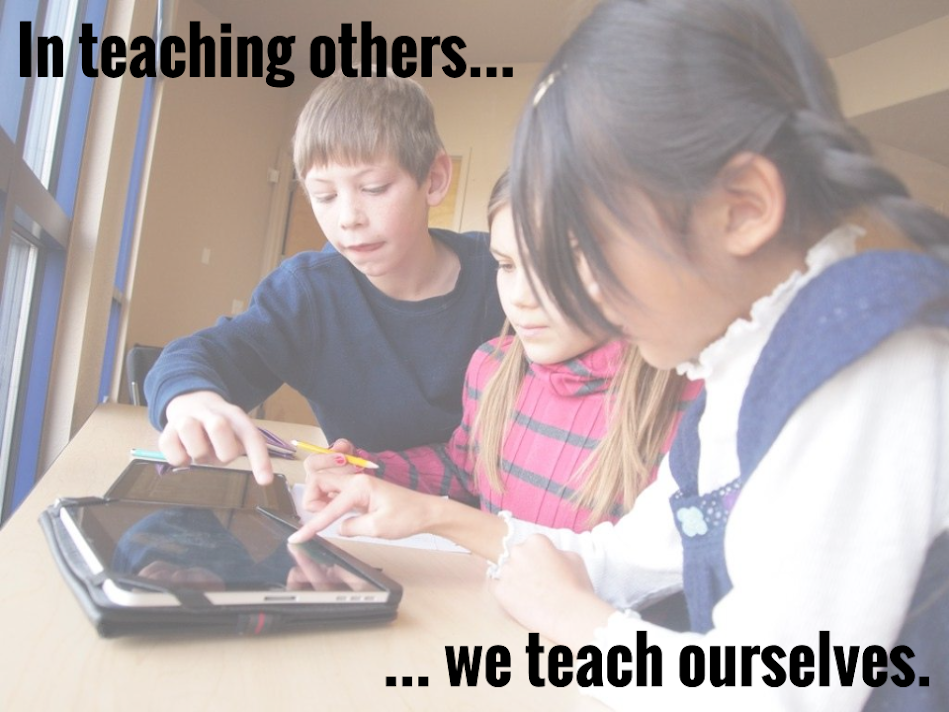
Establishing effective clean-up habits is essential for children to maintain a clutter-free environment. By incorporating structured routines and engaging activities, children can learn to take responsibility for their spaces. This process not only fosters independence but also instills a sense of ownership and pride in their surroundings.To facilitate the development of these habits, creating a checklist for daily clean-up tasks can provide children with a clear framework to follow.
This checklist serves as a visual guide that encourages accountability and ensures that nothing is overlooked during the cleaning process.
Creating a Daily Clean-Up Checklist
Incorporating a daily clean-up checklist can provide children with a structured approach to maintaining their spaces. This checklist should be simple and age-appropriate, allowing children to easily follow and complete each task. Here are some suggested items to include:
- Make the bed
- Put away toys and games
- Clear the desk or study area
- Sort and dispose of any trash
- Fold and organize clothes
- Wipe down surfaces
- Check for items that belong in other rooms
By utilizing a checklist, children can develop a routine that promotes consistency in their cleaning habits.
Incorporating Games and Challenges
To make the process of maintaining a clutter-free space more enjoyable, incorporating games or challenges can effectively engage children. This approach transforms cleaning into a fun activity rather than a chore. Consider the following ideas:
- Set a timer for five minutes and challenge children to see how many items they can put away before the timer goes off.
- Create a ‘clean-up bingo’ game where each square represents a specific task, and children can mark off completed tasks for rewards.
- Host friendly competitions between siblings to see who can tidy their area the fastest, with small prizes for the winner.
- Use a reward system where children earn points for each completed task that can be exchanged for privileges or treats.
These methods not only encourage participation but also promote teamwork and a positive attitude towards cleaning.
Importance of Consistency in Developing Habits
Consistency is crucial in developing long-term decluttering habits as it reinforces the behavior until it becomes second nature. Establishing a routine means that clean-up becomes an integrated part of a child’s daily life. Here are a few key points to emphasize the importance of consistent clean-up practices:
- Regular clean-up reinforces the idea that maintaining a tidy space is a part of daily responsibilities.
- Consistency builds self-discipline and accountability, teaching children to take pride in their environment.
- Frequent engagement in clean-up tasks helps to form lasting habits that can extend into adulthood.
- Consistent routines can lead to improved focus and productivity, as a clean space often fosters a clearer mind.
By ensuring that clean-up activities are a regular part of a child’s day, parents can help instill these valuable habits that promote organization and responsibility.
Involving Kids in Decision-Making

Empowering children during the decluttering process is essential for fostering their independence and decision-making skills. When kids actively participate in the organization of their spaces, they not only learn valuable life skills but also develop a sense of ownership over their belongings. This involvement allows them to make choices that reflect their preferences and values.One effective method for guiding children in the decluttering process is to provide a supportive framework that encourages their input without imposing parental judgment.
This approach helps children to feel valued and understood, paving the way for thoughtful decision-making regarding their possessions.
Encouraging Reflection on Choices
Allowing children to reflect on their belongings helps them understand the significance of their possessions. This can lead to more intentional decisions about what to keep and what to let go. The following strategies can facilitate this reflective process:
- Ask Open-Ended Questions: Prompt children with questions such as “Which of these toys do you enjoy playing with the most?” This encourages them to think critically about their preferences.
- Set Up Decision Stations: Create specific areas for items they are considering keeping, donating, or discarding. This visual organization aids children in making choices based on their feelings towards each item.
- Encourage Dialogue: Engage in conversations about each item’s importance. For instance, if a child expresses attachment to a toy, discuss the memories associated with it, which can help them decide whether to keep it.
- Use a Try-Out Period: Suggest a temporary “trial” for items they are unsure about keeping. If they don’t reach for it during that period, it may indicate they are ready to part with it.
“Empowering children through decision-making enhances their self-confidence and fosters a deeper understanding of their choices.”
By involving children in decisions about their belongings, parents can help them appreciate the value of their possessions while also cultivating critical thinking and organizational skills. This collaborative approach not only simplifies decluttering but also nurtures a lifetime of mindful consumer habits.
Celebrating Successes
Recognizing and celebrating the accomplishments of children in their decluttering journey is a crucial aspect of fostering a positive attitude towards organization and cleanliness. Celebrations reinforce the behavior and encourage children to take ownership of their spaces. By acknowledging their efforts, parents can create an environment that values responsibility and effort.
Guidelines for Recognizing Achievements
Establishing clear guidelines for recognizing decluttering achievements helps children understand that their efforts are valued. Consider the following approaches to celebrate their successes:
- Public Acknowledgment: Share their achievements with family members during dinner or family gatherings, highlighting their hard work and commitment.
- Progress Charts: Create a visual chart where children can track their decluttering milestones. Each completed task can be marked, and reaching certain milestones can trigger a celebration.
- Personalized Certificates: Design certificates of accomplishment that recognize the specific achievements, such as “Master Declutterer” or “Clutter Buster,” providing a sense of pride.
Rewards and Positive Reinforcement
Utilizing rewards or positive reinforcement can significantly motivate children to maintain their decluttering efforts. This could take various forms, which include:
- Incentives: Offer small rewards such as additional screen time, a special treat, or a fun outing after successful decluttering sessions.
- Praise: Verbal appreciation and encouragement can boost children’s self-esteem. For example, phrases like “I’m so proud of how you organized your room!” are affirming.
- Family Traditions: Establish a tradition where, after a decluttering session, the family engages in a fun activity together, reinforcing the teamwork aspect of maintaining a clean space.
Family Activities Following Decluttering
Engaging in enjoyable family activities after a successful decluttering session can strengthen bonds and provide a sense of accomplishment. Consider implementing the following ideas:
- Game Night: Organize a family game night, where everyone participates in board games or card games, celebrating the team’s decluttering efforts while enjoying each other’s company.
- Outdoor Adventure: Plan a family outing, such as a hike or picnic, to reward the hard work put into decluttering and enjoy the rewards of a clean home together.
- Creative Projects: Collaborate on a creative project, like art or crafts, using some of the items that were kept, thus reinforcing the importance of keeping meaningful belongings.
“Celebration is not just about recognition; it reinforces the values of responsibility and teamwork in maintaining a clean and organized space.”
Maintaining a Clutter-Free Environment
Creating and maintaining a clutter-free environment is essential for fostering a sense of calm and organization in your home. This process involves not only the initial decluttering but also the implementation of strategies that ensure your children’s spaces remain tidy over time. Regular upkeep is vital for reducing stress and enhancing productivity, making it important to establish routines that promote a clean and organized living space.
Strategies for Ongoing Maintenance of a Clutter-Free Space
To ensure that your children maintain their clutter-free spaces, it is beneficial to introduce a routine that incorporates regular maintenance practices. Here are some strategies that can be employed:
- Daily Tidying Up: Encourage your children to spend a few minutes each day straightening up their spaces. Setting a timer for ten minutes can make this task feel manageable and even fun.
- Designated Spot for Incoming Items: Create a specific area for new items, such as toys or books, so your children know where to put their belongings instead of letting them accumulate in other areas.
- Weekly Decluttering Sessions: Establish a weekly schedule where kids can assess their belongings and decide what to keep and what can be donated or discarded.
- Visual Reminders: Utilize charts or checklists that remind children of their cleaning tasks, which can serve as a motivational tool to maintain a tidy space.
Regular Check-Ins and Decluttering Sessions
Regular check-ins not only help to maintain a clean environment but also reinforce the decluttering habits that have been instilled. Here are some effective practices for check-ins:
- Monthly Reviews: Set aside time each month to evaluate the spaces your children use frequently. This can help them recognize what has accumulated and needs addressing.
- Seasonal Decluttering: At the start of each season, review items that may no longer be needed, such as clothes that no longer fit or toys that are no longer played with.
- Family Discussion: Engage in open discussions about the importance of a clutter-free environment, allowing children to express their thoughts and feelings about their belongings.
“A clean space fosters a clear mind.”
Creating a Family Calendar for Scheduled Decluttering Days
Incorporating a family calendar to schedule decluttering days can streamline the maintenance process significantly. A shared calendar helps all family members stay informed and accountable for their spaces. Consider the following points when creating your calendar:
- Designate Specific Days: Choose specific days of the month for decluttering and include these in a family calendar. This could be the first Saturday of each month or a designated day during school breaks.
- Involve All Family Members: Make decluttering a family activity, ensuring that everyone participates and understands the importance of maintaining a clutter-free environment.
- Celebrate the Habit: After each decluttering day, take time to celebrate the effort with a small family treat or activity, reinforcing positive behavior.
Ending Remarks
In conclusion, teaching children how to declutter their own spaces is a valuable investment in their personal development. By engaging them in the decluttering process and celebrating their successes, families can create a harmonious living environment that encourages creativity and responsibility. With consistent practices and a supportive approach, parents can foster a culture of organization that benefits both children and the entire household.